Last updated October 31, 2026
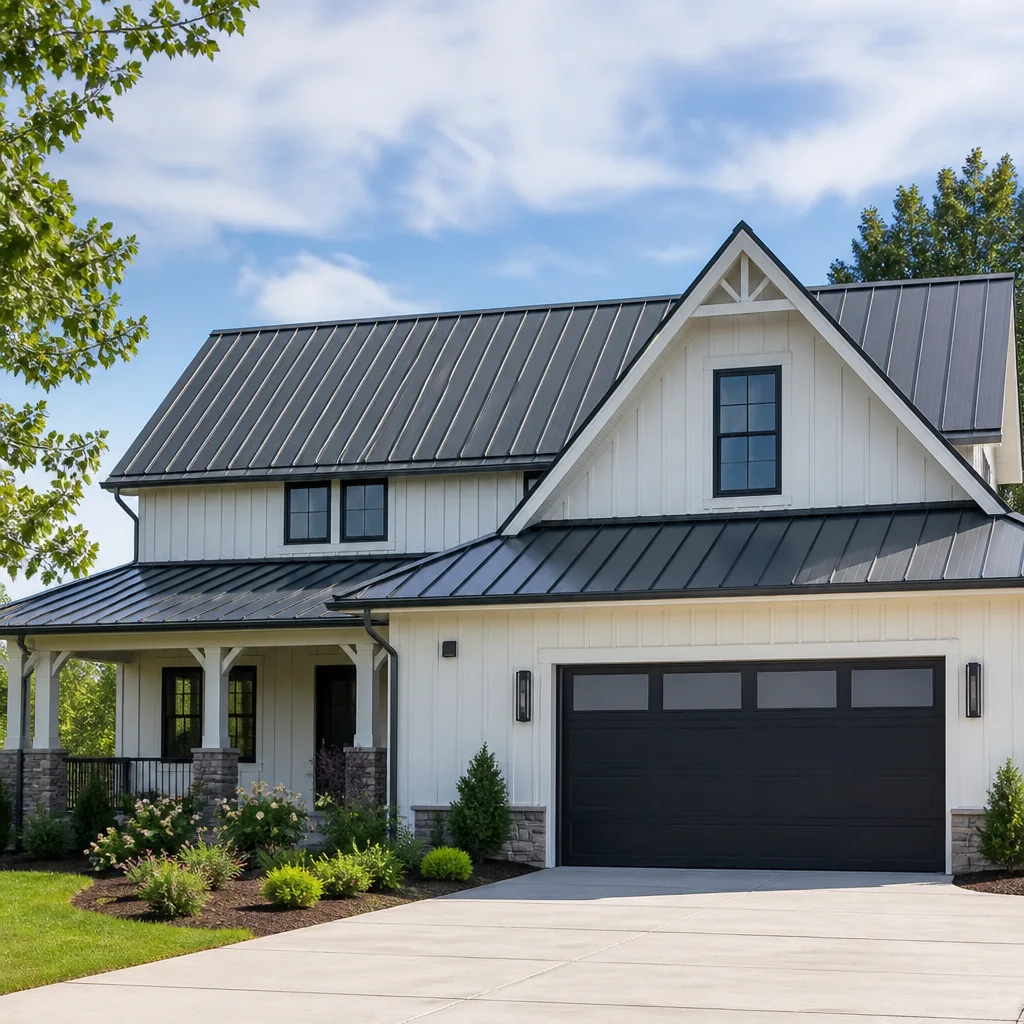 Metal roofing
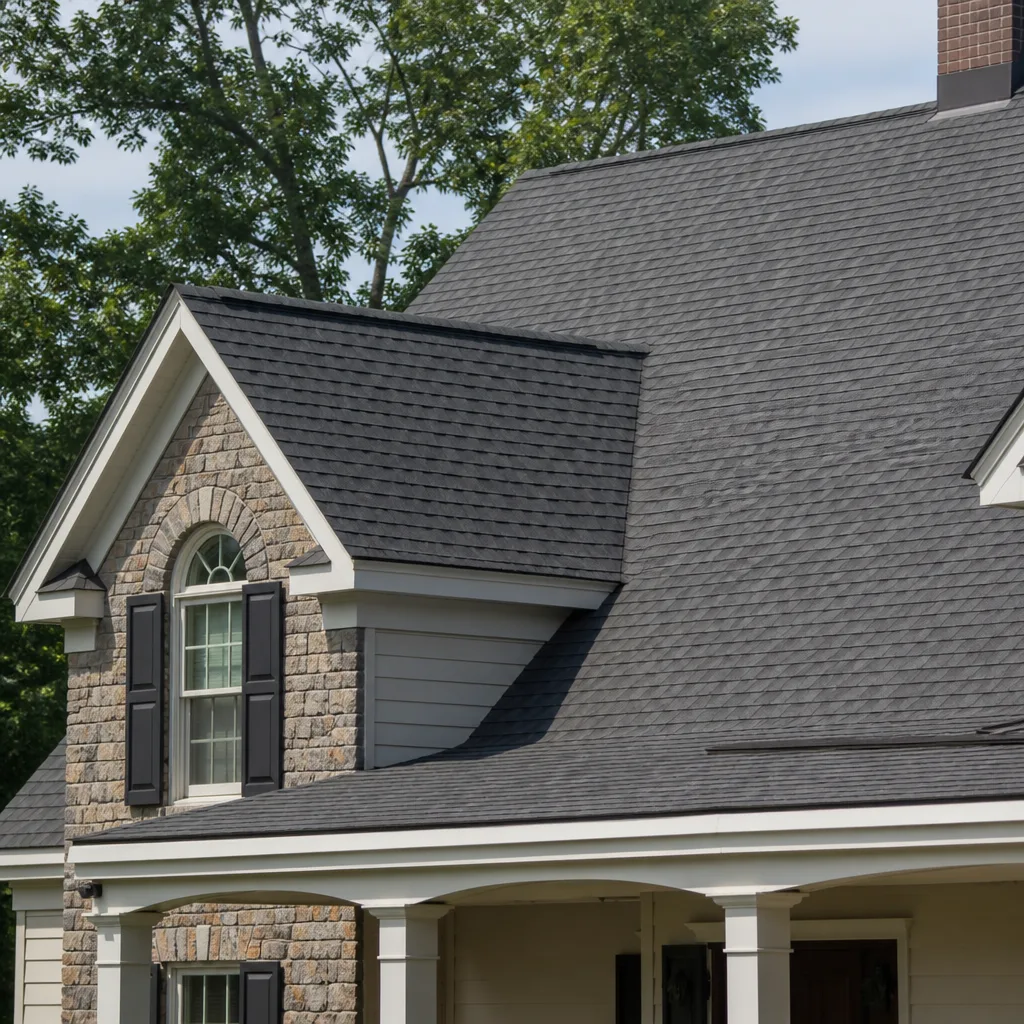 Architectural shingles
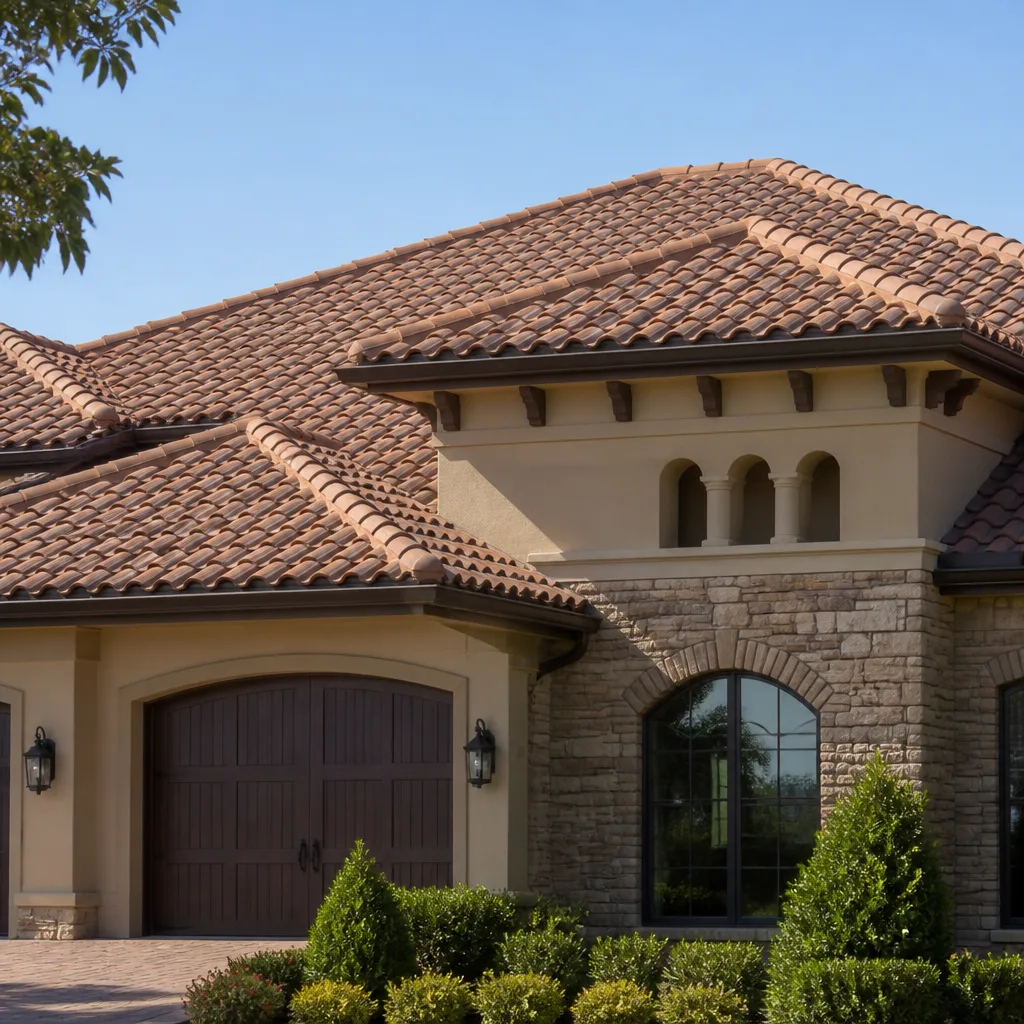 Tile roofing
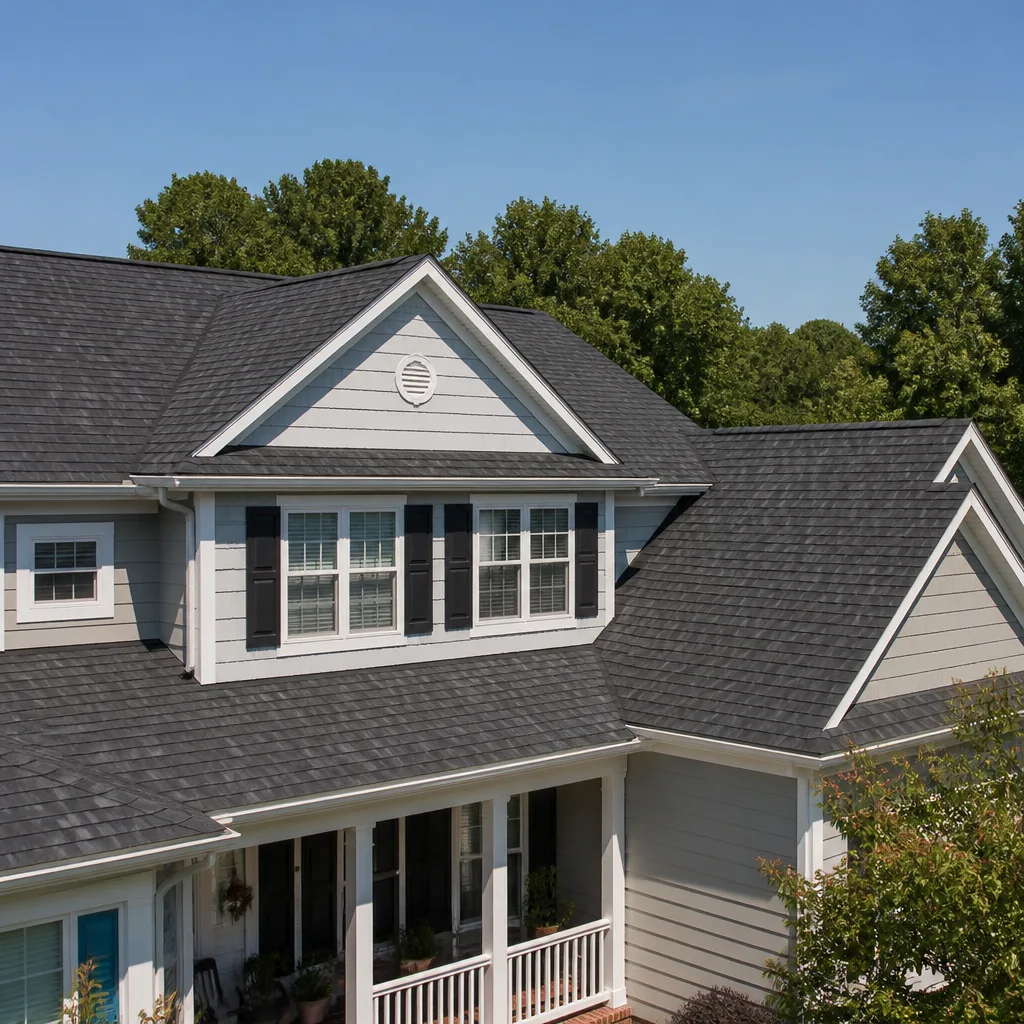 GAF
 Owens Corning
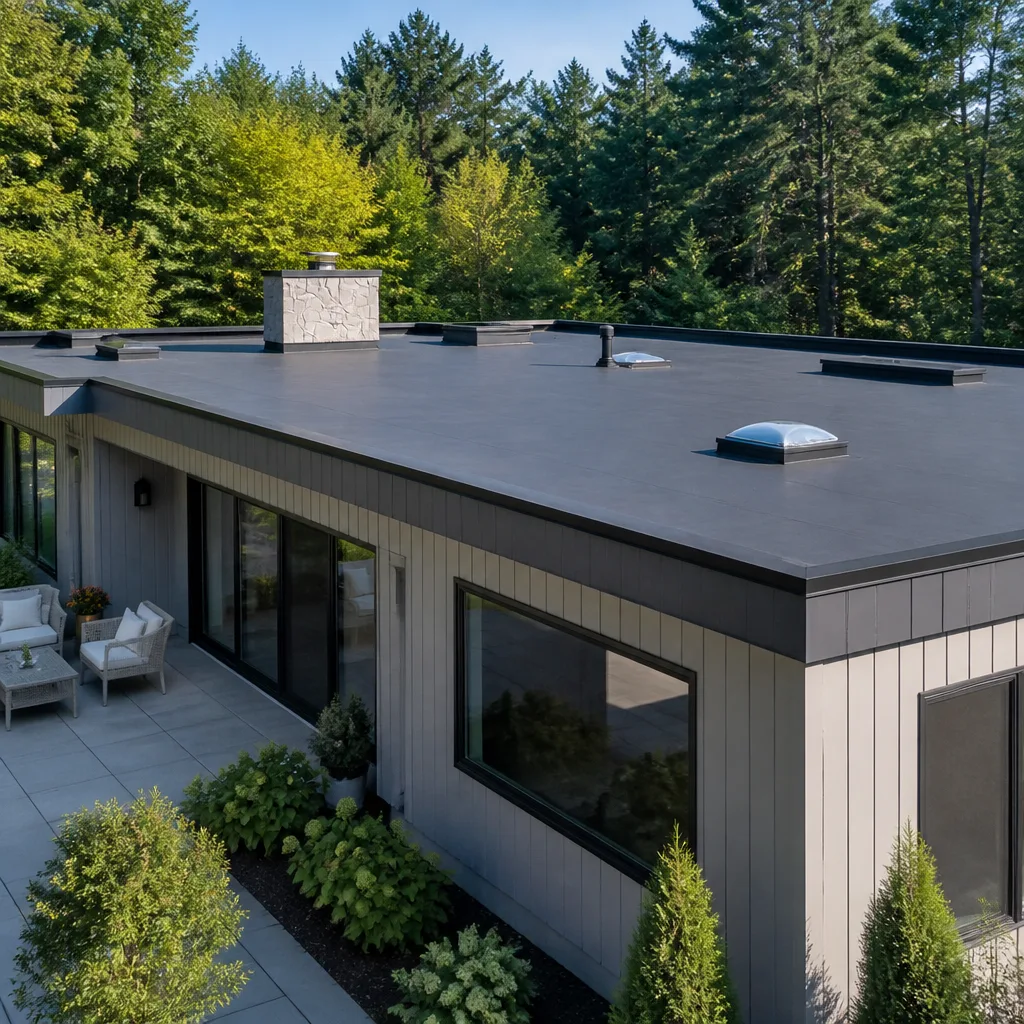 Flat & low-slope
Free roof inspection with deck photos before we talk money - GAF and Owens Corning certified installation
Roofing Warning Signs: A Norwalk Homeowner’s Reference Guide
Every roofing guide tells you to look for curled shingles or missing tiles. By the time those are visible from your driveway, the problem is usually months or years old and the repair bill has grown with it. The real skill, and the one that saves Norwalk homeowners the most money, is reading the quiet signals your house and your utility bills send before anything shows up on the roof itself. A surprising number of roofing problems in this city announce themselves first as a $40 spike in a July electricity bill, or as a nail pop in a bedroom wall, and only later as water staining a ceiling. This guide walks through those early indicators, what they look like in Norwalk’s specific high-UV, low-rain climate, and how to tell the difference between a problem a targeted repair can solve and one that has progressed far enough to make replacement the more economical path.
Quick Answer
The earliest roof warning signs in Norwalk are rarely visible from the street: rising cooling costs from attic heat buildup, nail pops on exterior walls from truss uplift, and longer HVAC runtimes from compromised insulation. Before you inspect shingles, check your summer energy bills, your interior walls, and your attic temperature. Those signals appear months before granule loss or cracked shingles become obvious, and catching them early is what separates a repair from a replacement.
Styles & brands we work with
Table of Contents
- Interior Signals That Predate Exterior Damage
- Granule Loss in a Dry Climate: Where to Look When Rain Won’t Help
- UV Cracking vs. Wet-Climate Deterioration: How Norwalk Roofs Age
- Flashing on Flat-to-Pitched Transitions: Healthy vs. Compromised
- Repair vs. Replacement: Reading the Scope Signals
- Norwalk’s Seasonal Rhythm: When Warning Signs Appear
- The Material Factor: Why Roof Type Changes the Warning Signs
Interior Signals That Predate Exterior Damage
The most overlooked roof diagnostics happen inside the house, not on top of it. In Norwalk’s semi-arid climate, where summer temperatures routinely push past 90 degrees for weeks at a time, your roof is the first line of defense against heat gain. When the roof system starts underperforming, your interior spaces feel it before your eyes see it. Our inspection team has walked into enough Norwalk attics to recognize the pattern: the homeowner calls about a hot upstairs bedroom, and the real issue is a roof ventilation system that has quietly failed over two or three summers.
Here are the interior warning signs we tell homeowners to track, in order of how early they appear:
- Electricity bill anomalies. A July or August bill that jumps $40 to $70 over the same month last year, with no change in thermostat settings, is the single most common early roof signal in Norwalk. Attic heat buildup from failed ventilation forces your HVAC system to run longer cycles. The roof looks fine from the street.
- Nail pops on exterior-facing walls. Small circular bumps or cracks in drywall, especially on the south and west walls that absorb the most sun, indicate thermal cycling. Truss uplift from attic heat expansion pushes nails down through the drywall. This is mechanical movement happening above the living space, not a cosmetic painting issue.
- HVAC runtime changes without a setting change. If your thermostat is untouched but the system now runs 20 to 30 minutes longer per cycle to hold the same temperature, that extra runtime is heat migrating from the attic through a compromised roof barrier. Track it before calling an HVAC tech; the problem may live above the ceiling.
- Attic temperature that feels excessive at certain hours. A properly ventilated Norwalk attic should still get hot, but not oven-style unbearable by mid-afternoon. A 3:00 PM attic temperature above 140 degrees generally points to blocked or insufficient venting, which is a roof system condition our Roof Inspection in Norwalk service is built to measure precisely.
- Musty smell near ceiling registers. In a dry climate, this is often not from active water intrusion but from condensation created when hot attic air meets cold AC ductwork. The condensation drips onto insulation and framing, slowly degrading both. That’s a roof-adjacent failure mode most general contractors miss outright.
None of these signals require getting on a ladder. They require paying attention to what your house is already telling you. We recommend homeowners log utility bill totals month over month for one full year; the baseline makes subsequent anomalies obvious. A homeowner who catches a ventilation failure through a bill spike in June addresses a $400 repair in July rather than a $14,000 replacement in January.
Granule Loss in a Dry Climate: Where to Look When Rain Won’t Help
In wet-roof regions, granule loss announces itself by washing down the downspout and collecting in the gutter trough after a storm. Norwalk gets about 14 inches of rain a year, and much of that falls in just a few months. The rest of the year, granules don’t travel far enough to gather anywhere obvious. They stay on the roof surface, and they accumulate exactly where the roof’s contours hold them. So the standard homeowner advice to check gutters after rain doesn’t work as a year-round diagnostic here.
Instead, we check these locations during a Norwalk roof inspection:
- Around HVAC unit supports and vents. The roof slope flattens slightly where a unit sits or where pipes penetrate, and granules collect in that minor depression. A ring of dark mineral material around these fixtures on an otherwise evenly colored roof indicates surface erosion on the field shingles.
- On flat or low-slope sections. Many Norwalk homes have flat roof areas, particularly over additions, porches, or attached garages. On these sections, granule loss has nowhere to go. It builds into visible piles or low ridges at seams and drain locations. Our crews see this pattern consistently on flat-to-pitched transitions, which are common in neighborhoods built between 1960 and 1990.
- In valley runoff channels. Where two roof planes meet, even a light dew can carry loose granules a few feet down the valley line. A trail of dark sediment accumulating at the valley bend or at the first row of shingles below the valley indicates field shingle wear, even without rain. Check valleys on the north-facing side especially; those planes hold morning moisture longer in coastal Norwalk air and erode differently from fully sun-exposed south planes.
- On shingle seams and butt edges near the ridge. The highest roof field gets the most direct UV radiation in Norwalk’s clear, dry summers. Granule bond fails here first. Look for shiny or smooth patches along the uppermost three or four courses of shingles. From a ladder at the eave, these appear as slight color differences or reflective spots.
Granule loss itself is not automatically a replacement trigger. A roof that has lost surface granules but whose asphalt matrix is still intact may have years of serviceable life left, especially if it’s a mid-grade or better product from a manufacturer like Atlas or CertainTeed, which formulate for UV resistance. The question is whether the loss is uniform and cosmetic or concentrated and structural. That distinction requires a direct visual inspection of the shingle face, which is part of what our inspection tier is designed to determine.
UV Cracking vs. Wet-Climate Deterioration: How Norwalk Roofs Age
Roofs age differently in Norwalk than they do in Seattle or Atlanta. The dominant degradation driver in this city is ultraviolet radiation and the thermal cycling that comes with 300-plus sunny days per year. A roof in a high-rain climate deteriorates through moisture absorption, moss growth, and granule washout. A roof in Norwalk deteriorates through asphalt embrittlement, which produces a distinct set of visual signatures that general-contractor roof writers rarely describe because they’re writing for a national audience.
Here is what high-UV roof aging looks like on Norwalk shingle roofs:
- Hairline cracking along shingle faces, not just edges. The asphalt becomes brittle and develops fine checks across the surface, almost like cracked porcelain. In wet climates you see blistering and cupping. In dry, sun-dominant climates you see this alligator-skin pattern first on south and west exposures. It appears before granule loss is visible from the ground.
- Shrinkage of individual shingles. The fiberglass mat contracts as volatiles cook off over years. Shingle tabs narrow slightly, and the gaps between tabs widen. The giveaway is a shadow or dark line along the vertical seam between tabs. This is easier to spot from the roof surface than from the yard, but it’s a strong indicator of advanced age even when granules are still in place.
- Loss of flexibility at the curl point. A new or mid-life shingle will flex like a stiff playing card. An embrittled shingle snaps. We test this during inspections by gently lifting an exposed tab at a corner on a warm afternoon; if it feels more like a potato chip than a card, the asphalt is breaking down. Norwalk’s wide daily temperature swings in spring and fall accelerate this more than steady heat does.
- Surface chalking that rubs off on a fingertip. Lightly run a clean finger along a shingle face and check for a pale, chalky residue. That’s oxidized asphalt surfacing, and it means the top layer is surrendering to the sun. In early stages this is cosmetic; left alone, it propagates into deeper fissures.
These UV-specific aging patterns matter because they dictate the repair timeline. A homeowner in a moist climate facing similar-looking damage might be told to replace by a roofer working from a national checklist. In Norwalk’s dry environment, a roof with hairline cracking but intact structural mat often merits a controlled repair phase first, which is exactly the repair-first philosophy our Roof Repair in Norwalk service is built around. The key metric is whether the cracking has reached the mat reinforcement; if it has, the shingle’s waterproofing function is compromised even if it has not started leaking yet.
Flashing on Flat-to-Pitched Transitions: Healthy vs. Compromised
Norwalk’s housing stock includes a large share of homes with flat or low-slope roof sections tied into pitched main roof fields. This transition point is where the majority of our leak calls originate. The mechanics are straightforward: flat roof membranes expand and contract at different rates than asphalt shingles, and the metal flashing joining them absorbs that differential movement over thousands of thermal cycles. When it fails, it fails progressively.
A healthy flat-to-pitched transition in this climate looks a specific way:
- The flashing metal runs continuously under the upper shingle course and laps down onto the flat membrane without gaps at the seam.
- The metal surface shows uniform weathering, not isolated rust patches (which indicate trapped moisture or a galvanic reaction from incompatible fasteners).
- The sealant at the lap edge is intact and slightly pliable, not cracked into segments or pulling away from either substrate.
- No fasteners are visible standing proud of the metal surface; in Norwalk’s dry climate, exposed fasteners are the first sites for vibration loosening and then leak initiation.
Compromised flashing presents as:
- Lifting or cupping at the metal edge. Thermal expansion eventually pries the flashing free on one side. This is the most common early warning on Norwalk flat-to-pitched intersections, and it is almost always repairable at the flashing tier if caught within a year.
- Discontinuous or sagging sealant. The original mastic has dried out from UV exposure and lost bond. In a dry climate, this often happens before any leak, which means the repair window is wide but only if someone actually looks at the transition. Most homeowners never look, and the first sign becomes a stained interior wall months later.
- Fastener back-out. The screws or nails have worked loose from repeated expansion cycles. This is repairable, but if left for two or more seasons, the enlarged fastener holes allow water intrusion even after the fastener is replaced. Caught early, the fix is straightforward; caught late, the flashing often needs replacement with a wider profile to cover the stretched holes.
- Ponding at the base of the transition. On the flat side, water should drain away from the pitch junction. If a shallow depression has formed, standing water accelerates membrane deterioration and works on the flashing bond. In Norwalk’s brief winter rains, even a two-day pond can force water through a micro-gap that would stay dry the rest of the year.
We see more roof failures at these transition points than anywhere else on Norwalk homes, and the frustrating pattern is that most of them start as correctable flashing conditions. The right material matters at the repair stage. Depending on the existing membrane type and pitch geometry, we may recommend a different flashing profile or a compatible sealant rather than simply replacing what was there. It’s the kind of material-matching decision that a roofing-only specialist makes differently than a general contractor covering five trades.
Repair vs. Replacement: Reading the Scope Signals
The most expensive mistake a Norwalk homeowner makes is treating every roof warning sign as a replacement trigger. The second most expensive mistake is treating every warning sign as a repair and discovering too late that the roof’s structure is past salvage. Reading the difference comes down to scope: how many failure points exist, whether they’re connected, and how much serviceable life remains in the field.
Signals that a targeted repair is the right scope:
- Localized flashing failure. One transition point, one chimney base, one vent pipe. The surrounding shingles and the roof deck are sound. The repair is self-contained and does not compromise the surrounding field.
- Granule loss without mat exposure. The shingle surface has eroded but the fiberglass mat is intact and the shingles remain flexible. Depending on the product, a mid-roof material like IKO or Atlas Nordic may have 5 to 10 years left even with visible surface wear.
- Small-area impact damage. A fallen branch, a thrown object, a single torn shingle from Santa Ana wind gusts. Norwalk gets seasonal high-wind events, and isolated wind damage is a repair, not a replacement, when fewer than 10 to 15 shingles are involved and the rest of the field is sound.
- Early ventilation issues. If the attic heat anomaly is caught in the first summer it appears, adding or unblocking vents is a repair-level correction that preserves the remaining roof life. We’ve seen ventilation fixes extend an aging roof by years in Norwalk’s dry heat.
Signals that replacement is the more economical path:
- Multiple simultaneous flashing failures. When three or more transition points are failing at once, the roof has entered systemic aging. Continuing to patch individual problems costs more per year than replacing the system.
- Mat exposure over significant field area. If fiberglass mat is visible on more than about 30 percent of the roof plane, the shingles are past sealing capacity. Repairs won’t stop the progression.
- Shrinkage visible across entire slopes. Widespread thermal shrinkage means the entire shingle field is in the same late-stage condition. Spot repairs on a shrinking field are temporary at best.
- Decking damage from long-missed leaks. If an interior signal like a wall stain has persisted through a full winter, the roof deck below may have begun deteriorating. Norwalk’s dry spells can mask leaking for months, and by the time it shows on a ceiling, the sheathing may be affected.
The honest read often lands between these extremes, and that’s why the diagnostic step matters more than the material step. A Roof Replacement in Norwalk should be a decision made with facts in hand, not a default recommendation. When our inspection shows a roof with five years of remaining life and a localized problem, the correct answer is the repair. When it shows systemic aging three years before the homeowner expected it, the correct answer is to plan the replacement on a schedule that fits the budget rather than under the pressure of an active leak.
Norwalk’s Seasonal Rhythm: When Warning Signs Appear
Roof problems in Norwalk don’t announce themselves on an even schedule. They follow the climate’s seasonal rhythm, and knowing when to look is half the diagnostic work. The pattern we’ve observed across inspection seasons in this city is consistent enough that we use it to guide homeowners on timing.
Summer (July through September). This is when the heat-load signals appear: elevated electric bills, hot interior rooms, longer HVAC runtimes, and the first appearance of nail pops from thermal truss uplift. Nothing is visible from the street, and very few homeowners think of the roof as the cause. The sun is also doing its most aggressive work on south and west roof planes during this period, accelerating UV aging in real time.
Fall (October through November). Santa Ana wind events arrive, and with them come impact and wind-lift damage. Loose flashing gets worked further free. Shingles with weak adhesive bonds lift, and some tear. This is the season when small existing problems become visible problems, and it’s also the most common time we find missing shingles after a strong wind day.
Winter (December through February). Norwalk’s brief rain season arrives. This is the testing season, and any pre-existing flashing gap, membrane crack, or shingle fissure gets its first real water challenge. The danger here is that leaks are intermittent. A small flashing gap might only leak during a five-minute downpour at a specific wind angle, and then stay dry for weeks. Homeowners assume the stain was a one-off and defer the fix. The roof remembers.
Spring (March through June). This is the window when post-rain damage is most visible and before the heat-season energy signals begin. It’s also the ideal inspection window in Norwalk because the weather is mild, roof surfaces are accessible, and any winter leaks are still traceable through discoloration. We recommend Norwalk homeowners schedule a professional roof inspection in Norwalk in spring, treating it like an annual physical, not an emergency response.
The predictable rhythm means the smart homeowner tracks signals by season. Summer’s warning signs are invisible but cheap to address. Winter’s warning signs are dramatic but expensive to ignore. Knowing which season you’re in tells you what to look for and how urgent the finding is.
The Material Factor: Why Roof Type Changes the Warning Signs
Not all roofs in Norwalk send the same signals when they start to fail. The material on the roof dictates what early warning signs look like, and reading them correctly requires knowing what you’re looking at. This is also where having genuine material choice matters, because a homeowner whose roof was installed with a product suited to another climate may be tracking the wrong indicators entirely.
Asphalt shingle roofs produce the signals this guide has covered most thoroughly: granule loss, surface cracking, thermal shrinkage, and nail pops. Within the asphalt category, brand and product grade matter. A premium shingle from a manufacturer like CertainTeed or Owens Corning with a heavier granule embedment will hold its UV defense longer than a builder-grade product. When a Norwalk homeowner asks why one neighbor’s roof failed at 15 years while another’s looks new at 20, the answer is often the material spec, not just the installation.
Tile roofs communicate differently. Tile itself doesn’t degrade the way asphalt does, but the underlayment beneath it does, and that’s the component that fails in Norwalk’s heat. The warning signs are often interior: a leak starts not from broken tile but from deteriorated felt beneath intact tile. On the exterior, loose or shifted tiles after wind events, or visible underlayment in gaps, are the indicators to watch. Tile repair requires matching the specific tile profile to the existing roof, and because we stock and source from multiple manufacturers including Boral and Tamko, a repair can preserve a tile roof’s visual continuity where a single-source contractor would tell you replacement is the only option.
Flat and low-slope roofs send drainage signals. The warning signs are ponding water, seam separation in the membrane, and blistering from trapped moisture or UV breakdown. These surfaces age faster in Norwalk’s sun than their pitched counterparts, and the repair-versus-replace calculus shifts earlier. A flat roof section on a Norwalk addition may need attention at 12 to 15 years even when the pitched main roof has another decade of life.
Reading the material correctly changes the response. The same interior water stain means a flashing repair on an asphalt roof, an underlayment issue on a tile roof, and a seam problem on a flat roof. A roofer who treats all three the same is guessing. A True North Roof Repair home inspection starts by confirming what’s actually up there before drawing conclusions about what’s wrong with it.
Common Mistakes to Avoid
- Waiting for a visible leak before taking action. In Norwalk’s dry climate, water intrusion is often the last warning sign, not the first. By the time a ceiling stains, damage has usually been progressing for months.
- Checking gutters for granules as a primary diagnostic. That works in Seattle but not here. Norwalk’s low annual rainfall means granules stay on the roof surface, and checking only the gutters misses most early granule loss.
- Dismissing summer electric bill spikes as “utility rate increases.” Compare usage, not just cost. Higher kWh consumption with unchanged habits points to attic heat gain from a compromised roof ventilation system.
- Assuming all reroofs are equal and taking a single-brand offer. Different manufacturers formulate differently for UV exposure. A homeowner who only sees one product option is being sold what the contractor stocks, not what the roof needs.
- Ignoring nail pops as a cosmetic drywall issue. On Norwalk homes, especially on south-facing walls, recurring nail pops are mechanical signals from the roof-to-wall thermal interface. Patch them and they return; fix the roof system and they stop.
- Deferring spring inspection because the roof “looked fine in winter.” Winter leaks are intermittent in Norwalk. A dry winter doesn’t mean a sound roof; spring inspection catches what winter’s brief rains tested but didn’t expose.
- Assuming a flat roof section ages like the pitched section. Flat and low-slope membranes wear faster in continuous UV exposure. Track them independently and budget for their replacement earlier than the main roof field.
See the difference
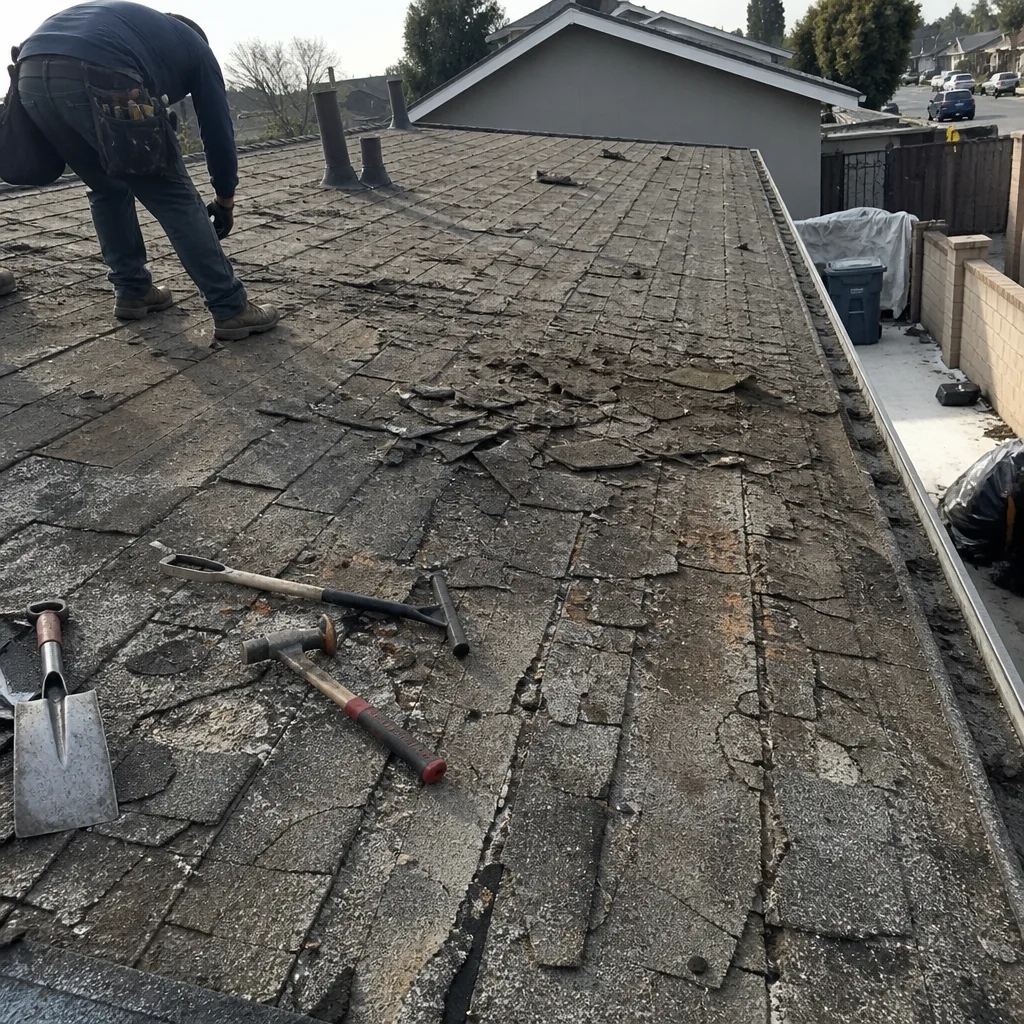 Before
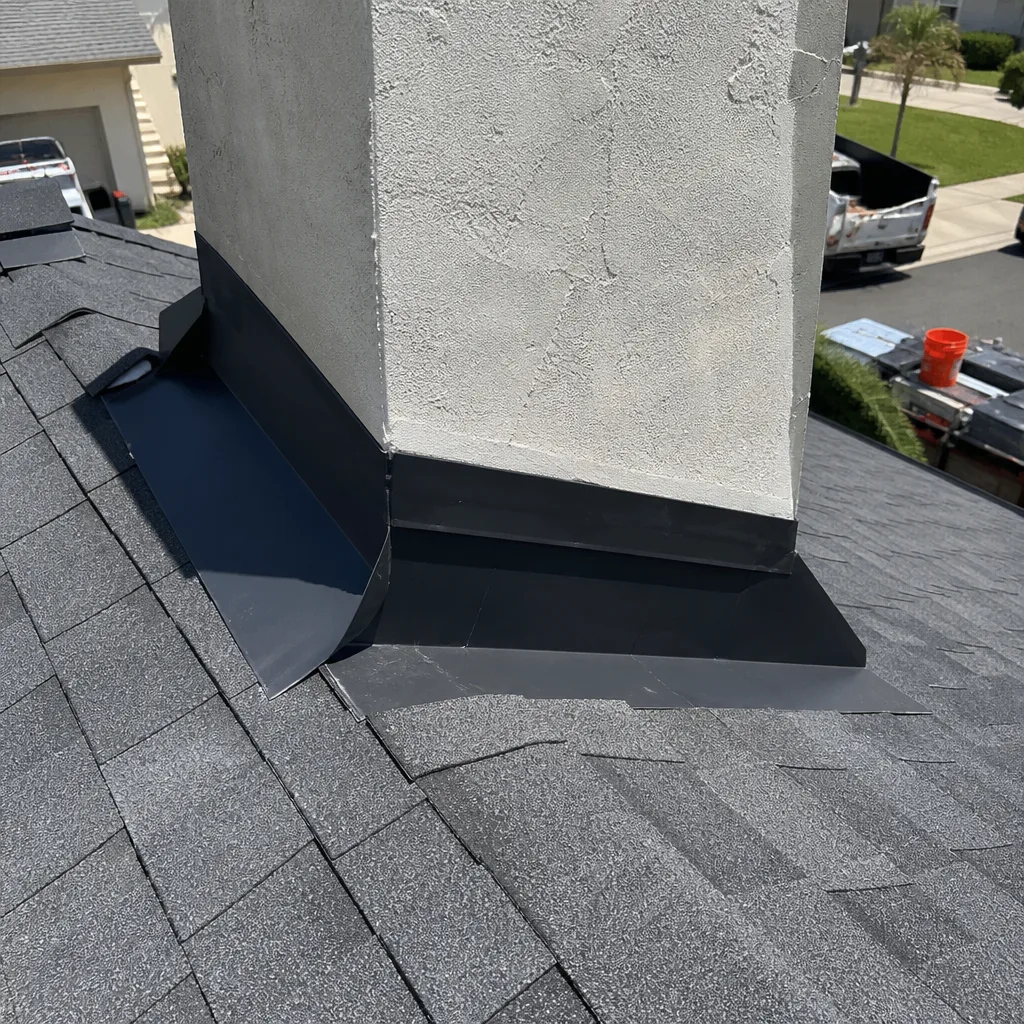 After
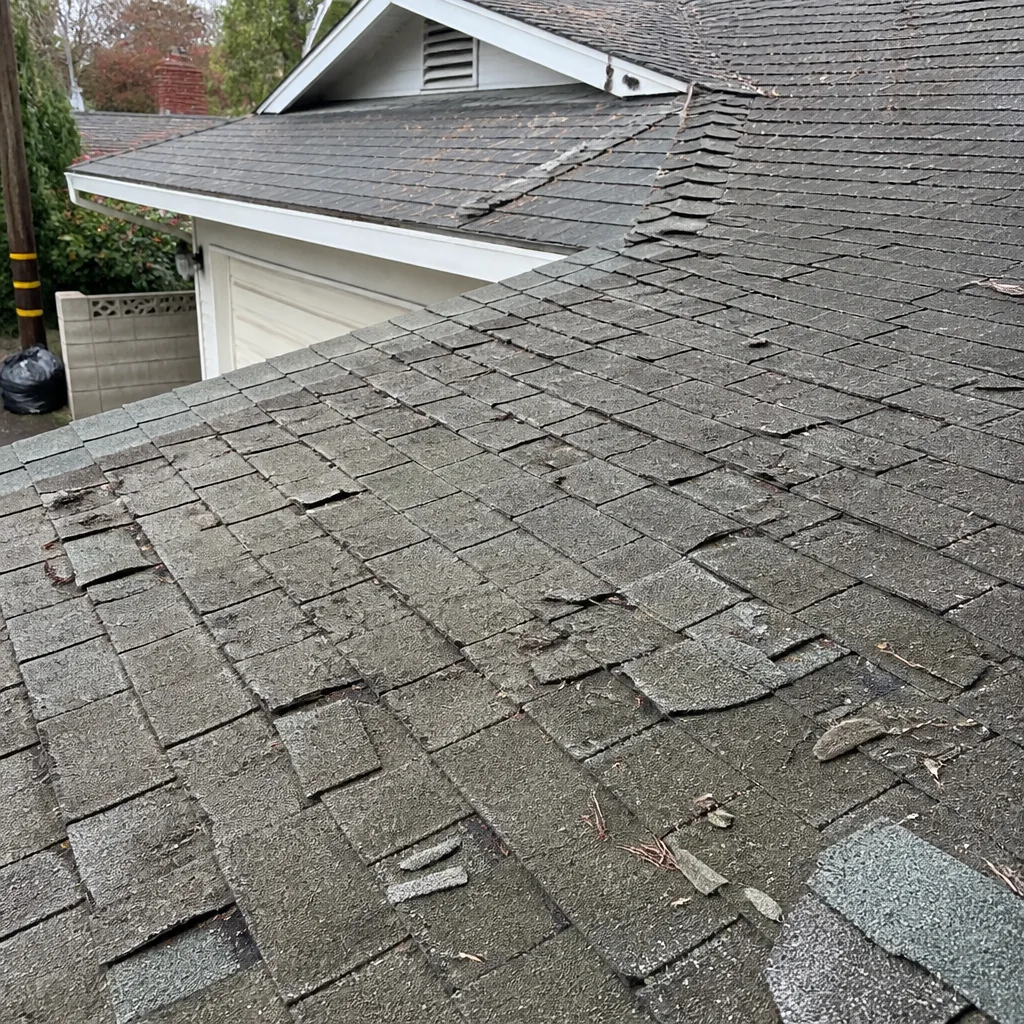 Before
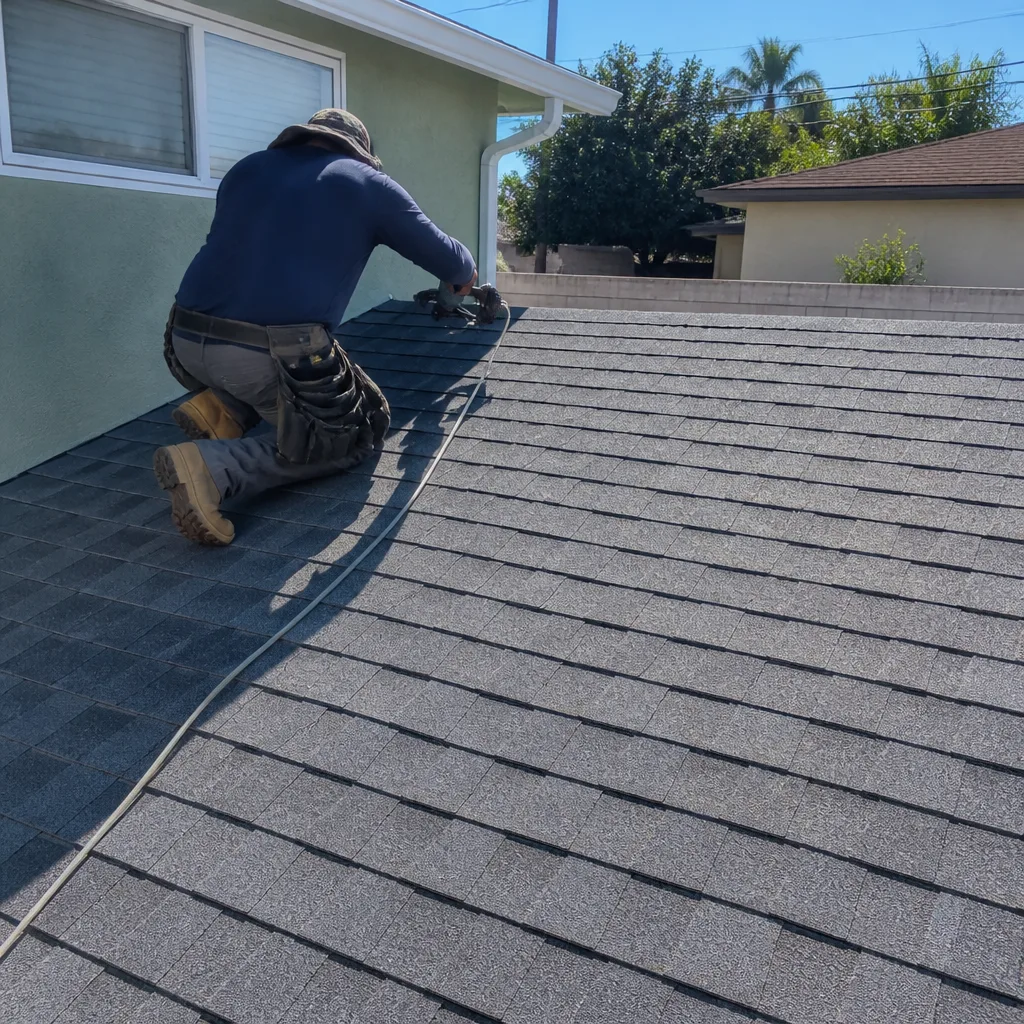 After
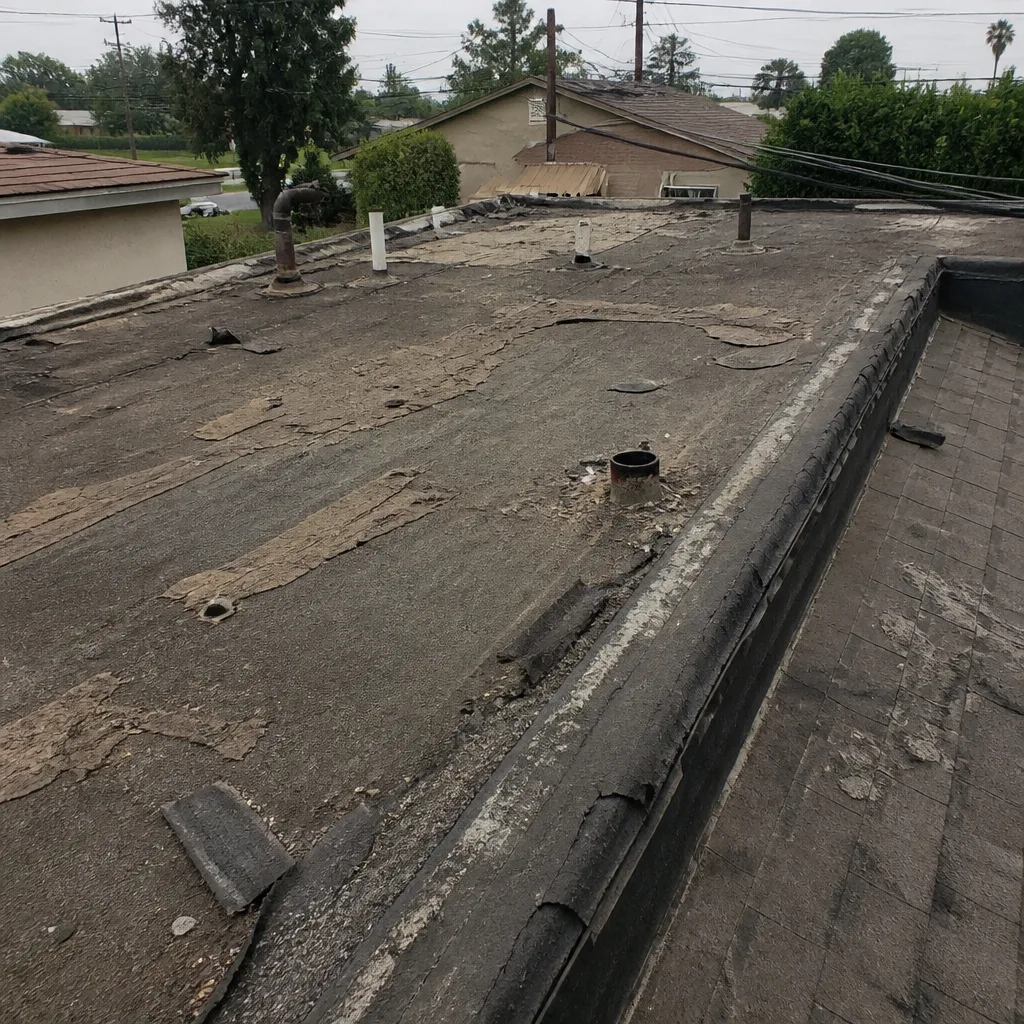 Before
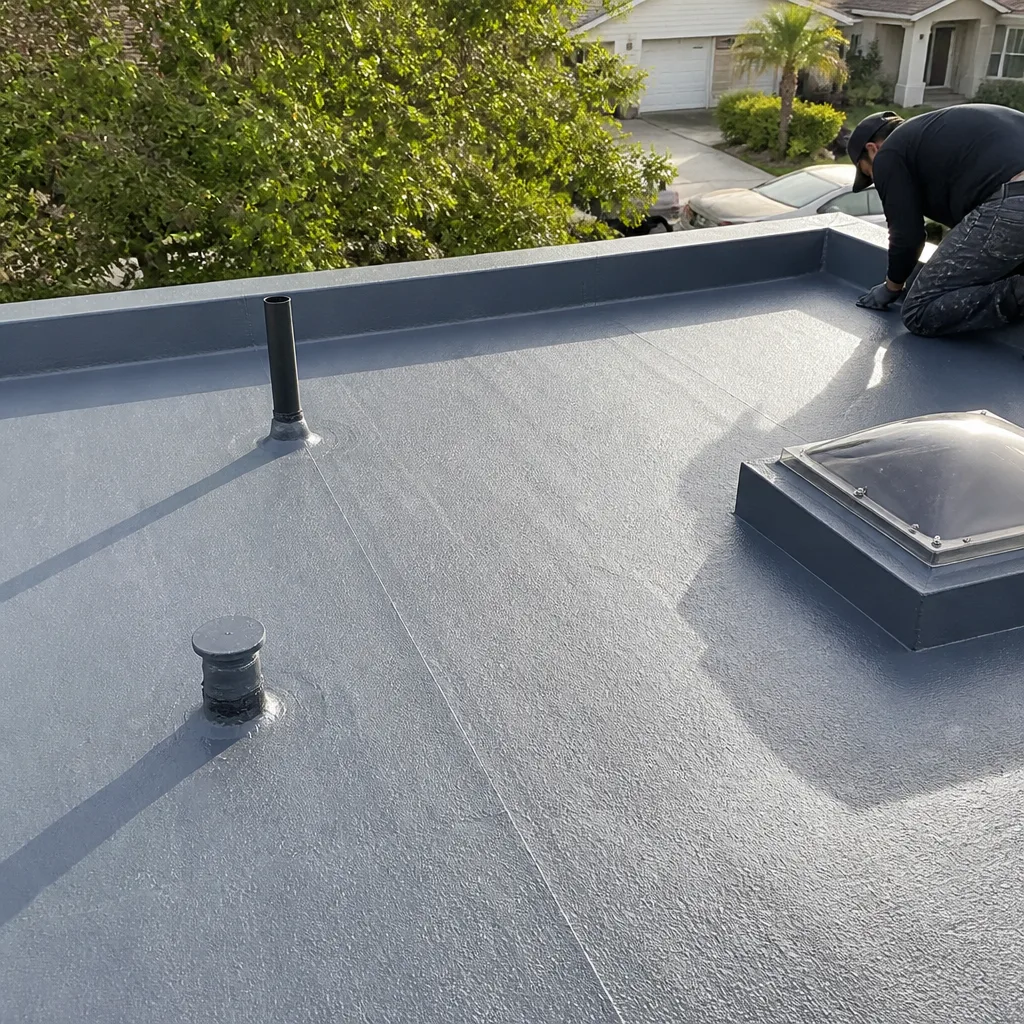 After
When to Call a Professional
Some warning signs you can track yourself; some require a trained eye and sometimes a ladder. Call a professional when you notice any persistent interior signal, such as a nail pop pattern, a bill anomaly that repeats for two months, or a musty smell that doesn’t resolve. Call when you see granule accumulation around roof penetrations or valley bends, even if the shingle field looks uniform from the ground. Call when a Santa Ana event lifts or tears shingles, because wind damage compounds quickly. And call when you’re simply not certain what you’re looking at; the diagnostic step costs far less than the wrong guess. True North Roof Repair offers free estimates in Norwalk, call (866) 617-1004, and our inspection tier is a standalone service, not a disguised sales appointment. The goal is to know exactly where you stand before spending a dollar.
Frequently Asked Questions
A professional roof inspection in Norwalk typically costs between $200 and $450 depending on roof complexity, access, and whether a written component report is included. True North Roof Repair structures inspection as a standalone service tier with upfront pricing, independent of any subsequent repair or replacement recommendation. Call (866) 617-1004 for a specific quote on your roof type.
The first signs in Norwalk’s dry climate are interior and energetic rather than visual: rising summer cooling bills, longer HVAC runtimes, nail pops on exterior walls, and attic temperatures that feel extreme by mid-afternoon. Exterior indicators like granule loss around roof penetrations and hairline cracking on south-facing slopes appear next but are often only visible from the roof surface.
Yes, flashing repair is one of the most common targeted fixes in Norwalk, especially at flat-to-pitched transitions and around chimneys. As long as the flashing damage is localized and the surrounding roof field is sound, a correctly scoped flashing repair restores waterproofing for a fraction of replacement cost. The key is catching it before fastener holes enlarge or decking damage begins.
Asphalt shingle roofs in Norwalk typically last 18 to 25 years depending on material grade, roof orientation, and ventilation quality. South and west planes age faster due to continuous UV exposure. Premium shingle products from manufacturers like CertainTeed and Owens Corning with higher granule embedment tend to hold their surface integrity longer than builder-grade alternatives in this climate.
Granule loss is not an emergency unless the fiberglass mat beneath is exposed over significant area. Surface granule loss may be cosmetic and compatible with years of remaining service life, especially on UV-formulated products. Concentrated granule loss at valleys, penetrations, or ridge lines warrants a professional evaluation to determine whether the structural mat is compromised.
Roof work in Norwalk falls under local building code requirements, and permits are triggered by project scope, especially for full reroofs and structural repairs. True North Roof Repair manages permitting as part of the project scope, ensuring work is completed to code and inspected properly. The correct permit path is determined during the inspection and scoping phase, before any work begins.
The Bottom Line
Your roof talks before it fails, but only if you know how to listen in Norwalk’s specific climate. The earliest signals are the ones most guides skip: your summer electric bill, your HVAC runtime, your interior walls, and your attic temperature. Exterior damage, when it appears, follows predictable patterns of UV cracking, granule collection at specific points, and flashing movement at flat-to-pitched transitions. Reading those signals correctly tells you whether a targeted repair is the economical answer or whether replacement planning should begin. Either way, the right sequence is diagnose first, spend second. Know exactly where you stand before a dollar goes into materials.
Written by the team at True North Roof Repair, serving Norwalk since 2016.