Last updated October 31, 2026
 Metal roofing
 Architectural shingles
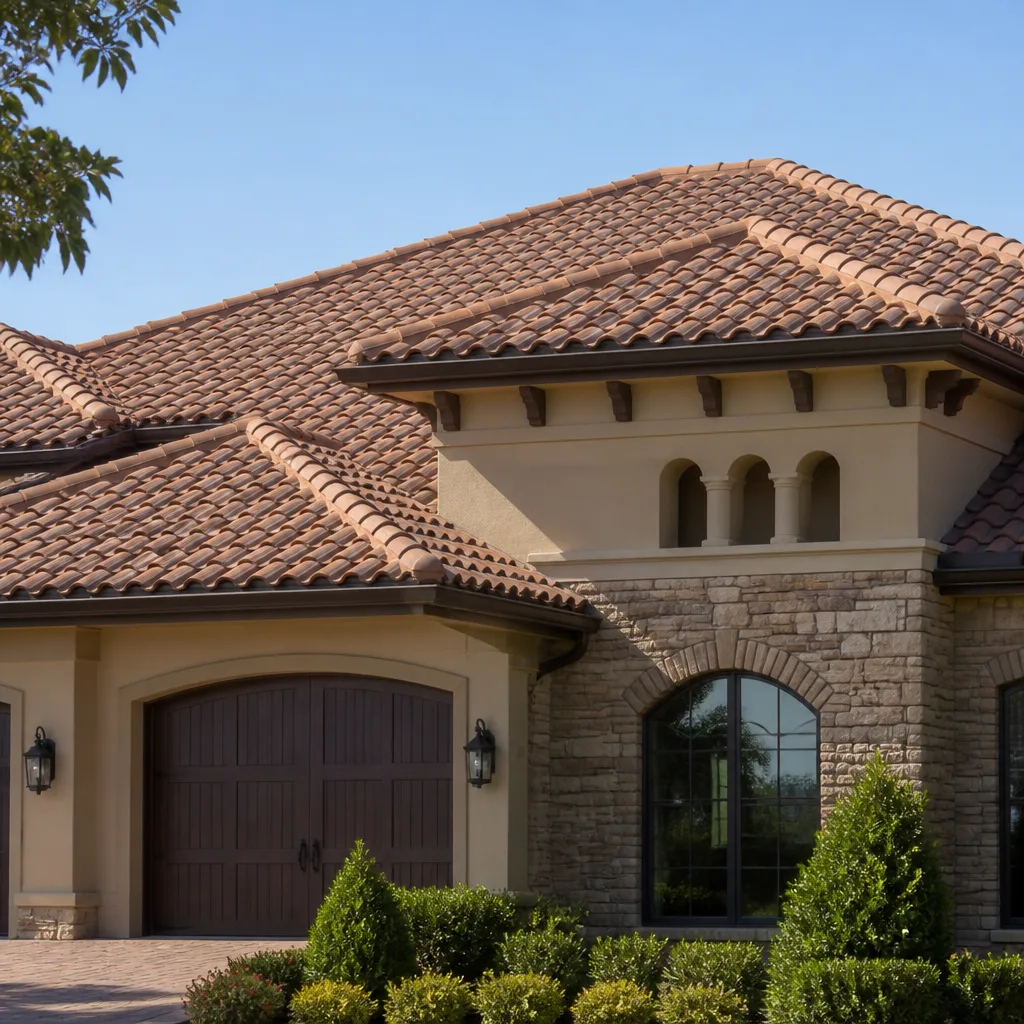 Tile roofing
 GAF
 Owens Corning
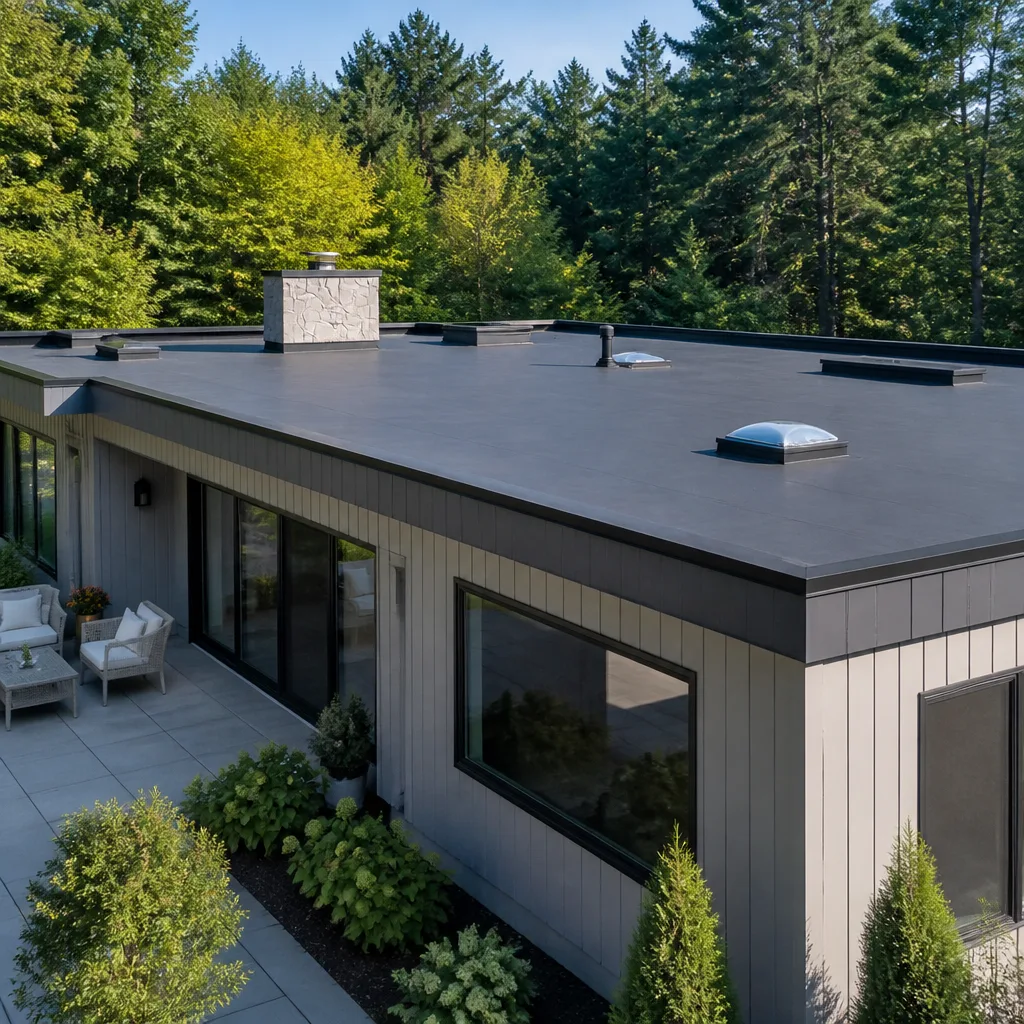 Flat & low-slope
Free roof inspection with deck photos before we talk money - GAF and Owens Corning certified installation
Seasonal Roofing Care for Norwalk: Year-Round Homeowner’s Guide
In Norwalk, September is a more dangerous month for your roof than January. Santa Ana winds arrive before the first rain, hitting a roof that’s been baking and drying out all summer with zero moisture resilience. The shingles are brittle. The sealants are cracked. And then a 40 mph gust finds every weak point at once. Most homeowners think about their roof when water is coming through the ceiling. By then, the damage was done weeks earlier. This Complete Guide to Roofing in Norwalk maps roof care to the city’s actual climate calendar, so you know exactly what to do, when to do it, and what’s safe to handle yourself.
Styles & brands we work with
Quick Answer
Seasonal roof care in Norwalk means scheduling specific maintenance tasks during two maintenance windows (December – February and March – May) and staying vigilant during two threat windows (June – August heat stress and September – October Santa Ana winds). The most important action for most Norwalk homeowners is booking a professional inspection in late August, before wind season exposes problems that have been developing all summer, and again in March, after winter rain has revealed every leak path. For a free inspection quote, call (866) 617-1004.
Table of Contents
- Norwalk’s Climate Calendar: Two Threat Windows, Two Maintenance Windows
- Summer Heat Stress: What’s Happening to Your Roof June Through August
- Pre-Santa Ana Wind Preparation: What to Check in September and October
- Wet Season Exposure: November Through February in Norwalk
- Post-Rain Assessment: The March Through May Inspection Window
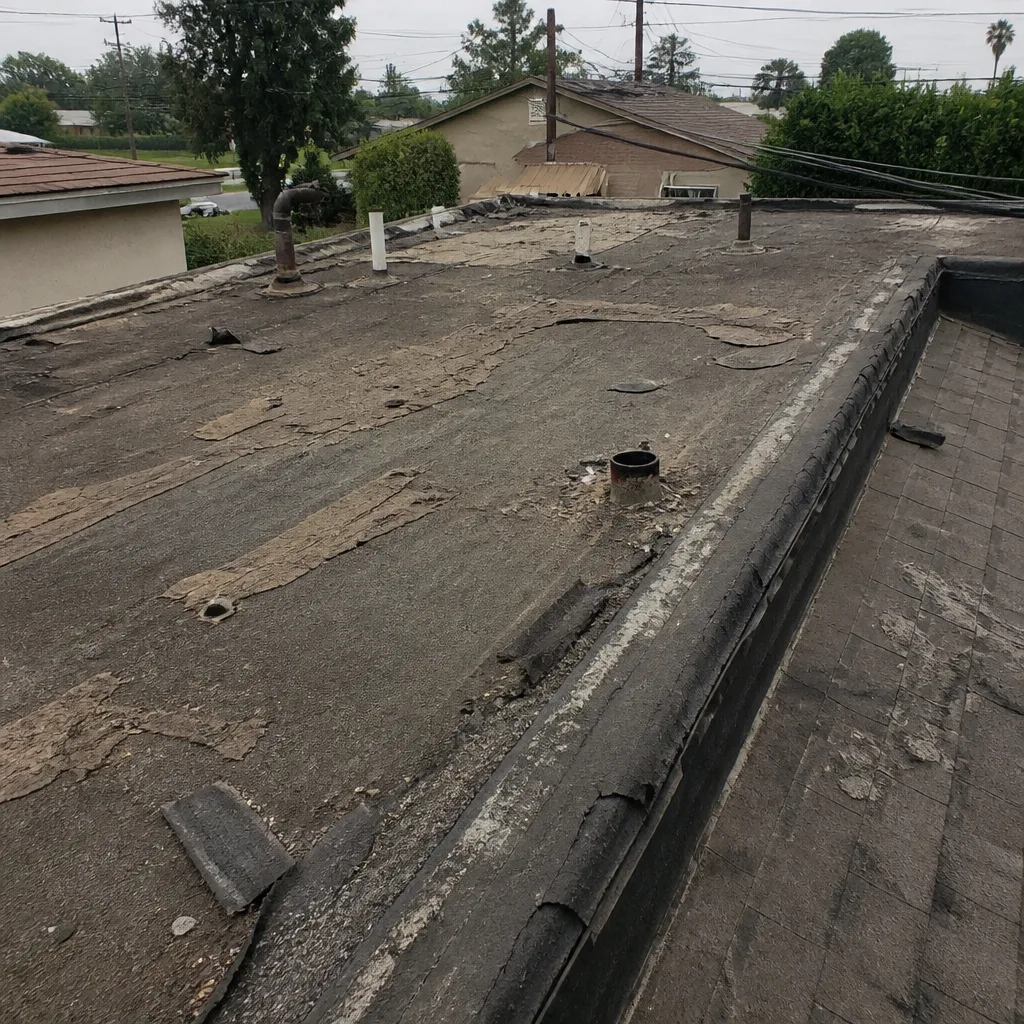
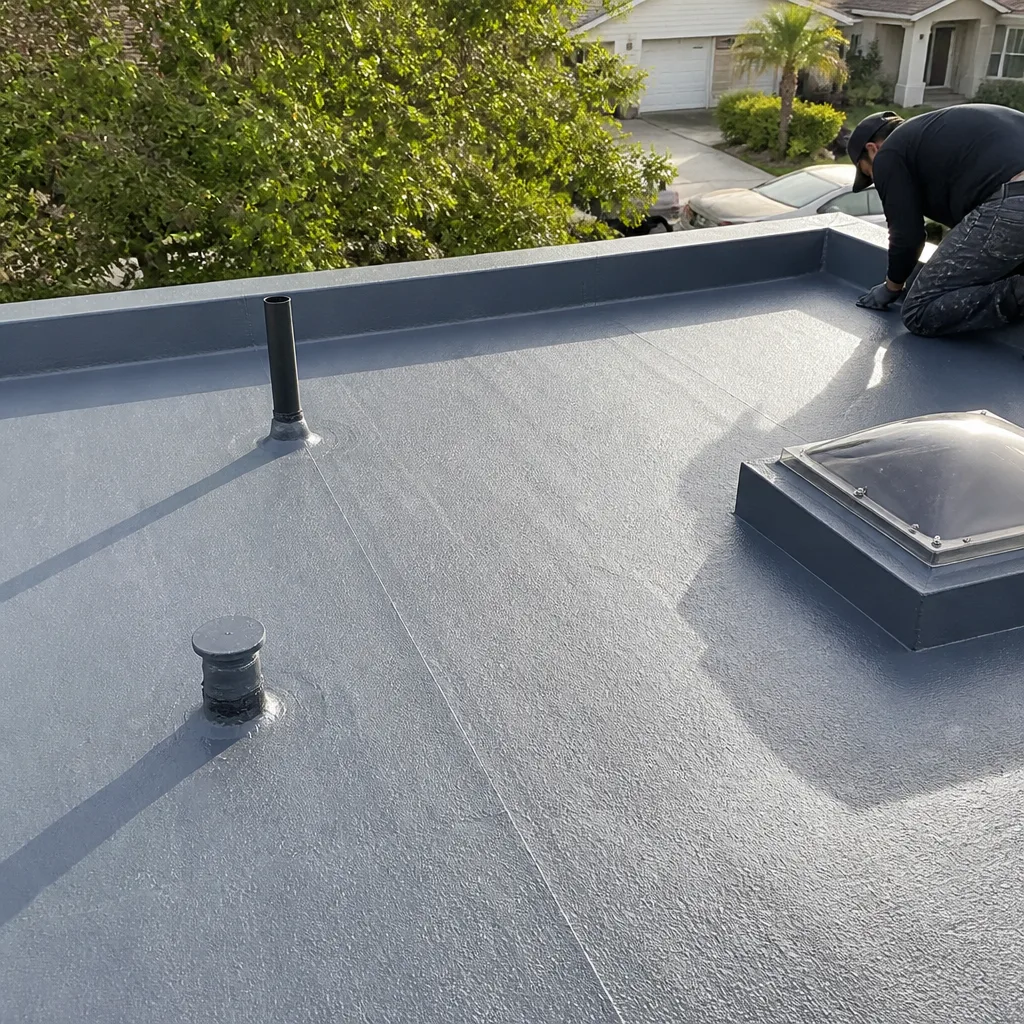
- Flat and Low-Slope Roofs: Norwalk Tract Home Specifics
- Timing Your Contractor Scheduling Around Norwalk’s Demand Peaks
- Common Mistakes to Avoid
- When to Call a Professional
- Frequently Asked Questions
- The Bottom Line
Norwalk’s Climate Calendar: Two Threat Windows, Two Maintenance Windows
Drive down any residential street in Norwalk in July and you’ll see roofs that look fine. That’s the problem. The damage from Norwalk’s dry heat doesn’t announce itself. It accumulates silently: adhesive bonds weaken, granules loosen, flashing sealant shrinks away from the metal. Then the Santa Anas hit in September and October, and suddenly three houses on the block are getting emergency repairs. The homeowners assume the wind caused the damage. But the wind merely revealed what the heat had already broken.
Here’s how the year actually breaks down for a Norwalk roof:
- June through August: Dry heat stress. Temperatures regularly climb into the 90s with single-digit humidity. Roof surfaces hit 140 to 160 degrees. Thermal cycling, granule loss, and sealant degradation happen now, even though you won’t see the consequences yet.
- September through October: Wind vulnerability. Santa Ana winds arrive when humidity drops into the teens and gusts reach 40 to 60 mph. Every weak shingle, every dried-out pipe boot, every loose flashing edge gets tested. This is the highest-risk window of the year for sudden, visible damage.
- November through February: Wet season exposure. Norwalk gets most of its 14 to 15 inches of annual rain in these months. Water finds every crack the heat and wind created. Small problems become obvious, and small leaks become urgent.
- March through May: Post-rain assessment. The rain stops, the sun returns, and damage from the previous eight months is now visible if you know where to look. This is the best window for repairs and replacements in Norwalk because demand is lower and weather is cooperative.
Standard seasonal advice says “check your roof in spring and fall.” That’s true here, but for reasons unique to this climate. Spring in Norwalk is really post-rain assessment. Fall is really pre-wind preparation. And the single most valuable thing you can do is inspect in late August, before the Santa Anas hit, not in October when you’re already behind.
Summer Heat Stress: What’s Happening to Your Roof June Through August
Norwalk summers are not merely warm. They’re relentlessly dry and sunny. From June through August, roof surfaces absorb solar radiation all day and release it all night – a daily thermal cycle that expands and contracts every material on your roof. After three months of this, the cumulative stress is significant.
Three specific problems show up in Norwalk roofs during and after heat season, and they precede almost every September wind-damage call we see:
- Thermal shock and shingle curling: When a shingle heats to 150 degrees and then cools rapidly, the asphalt matrix weakens. Repeated cycles cause the edges to curl upward, creating wind catch points and exposing the adhesive strips. Once curled, shingles are the first to lift in a Santa Ana gust.
- Granule loss: Asphalt shingles shed mineral granules as they age. Heat accelerates this because the asphalt softens slightly at high temperatures. You’ll see the evidence in your gutters during July and August – a fine, dark grit that runs off with the occasional summer drizzle or morning condensation. Some granule loss is normal. Heavy accumulation in the gutter is a warning sign.
- Ridge cap separation: The ridge cap covers the highest point of your roof and takes direct sun from mid-morning to late afternoon. It also catches wind from every direction. The sealant and adhesive holding ridge caps in place degrade faster than anywhere else on the roof. In our experience across Norwalk’s tract neighborhoods, ridge cap failure is one of the most common pre-wind-season findings.
What you should do in early to mid-August:
- Visual check from the ground: Look for shingles that appear uneven, curled at the corners, or discolored compared to their neighbors. Ridge cap pieces should sit flat and aligned. On homes in Norwalk’s older tracts, like the neighborhoods near Norwalk Boulevard and Rosecrans Avenue, we commonly see ridge issues that have been developing for years.
- Check the gutters: If you have gutter debris from the previous winter that never got cleaned, it’s now baking in place. That traps moisture against the roof edge and accelerates fascia board rot. A quick visual check from a ladder (only if you’re comfortable on one) can tell you if it’s time for a cleaning.
- Schedule an inspection before wind season: This is the move that saves Norwalk homeowners the most money all year. An inspection in late August costs a fraction of what an October emergency repair costs, and it tells you whether your roof can survive the Santa Anas. True North Roof Repair’s Roof Inspection in Norwalk service exists exactly for this pre-season check.
Pre-Santa Ana Wind Preparation: What to Check in September and October
Santa Ana winds in Norwalk are unique. They’re not just strong – they’re hot, dry, and persistent. They arrive from the northeast, pour down through the San Gabriel Mountains, and pick up speed as they compress into the Los Angeles Basin. Gusts in Norwalk can reach 40 to 60 mph, and when they do, they hit roofs that have had almost no rain in six to seven months.
The pre-Santa Ana checklist is different from a general pre-winter checklist. Standard guides say check your flashing and clean your gutters. Here’s what actually matters in Norwalk before the wind arrives, and for a deeper look, see our Complete Roof Repair Guide for Norwalk Homeowners:
- Pipe boot seals: The rubber boot around every plumbing vent on your roof has been sitting in direct California sun since May. Rubber degrades from UV exposure, and after a full summer, the boot may be cracked long before it would fail in a milder climate. A cracked pipe boot is a wind-entry point and a direct water leak path when rain follows wind. This is one of the most common failures we see in Norwalk homes built in the 1960s and 1970s.
- Flashing edges at roof-to-wall transitions: Where your roof meets a vertical wall, chimney, or skylight, flashing creates the seal. Summer heat causes the caulk and sealant at these junctions to shrink and pull away. High wind gets underneath the metal and peels it up. Pre-wind inspection should run a fingertip (or a tool, if you’re on the roof) along every flashing edge to identify gaps.
- Debris management: Leaves and twigs accumulate in roof valleys, behind chimneys, and around the edges of low-slope sections. During Santa Ana events, that dry debris becomes airborne and slams against other parts of the roof, damaging shingles and flashing. It also clogs the drainage path, so when rain arrives in November, water backs up. Clearing debris in September prevents both problems.
- Loose or missing fasteners on metal flashings and vents: Metal expands and contracts with temperature swings, and after a hot Norwalk summer, some fasteners have backed out. The wind catches the loose metal, and now you have a tear rather than a small fix. Tightening or replacing a few fasteners in September costs almost nothing. Replacing torn flashing in October costs significantly more.
The timing here matters. Schedule your pre-wind inspection in early to mid-September – before the first Santa Ana event, which can arrive with very little warning. Every September, we see the same pattern: homeowners call in the second week of October, after the first big wind, and by then, the damage is already done.
Wet Season Exposure: November Through February in Norwalk
When rain arrives in Norwalk, it typically comes in a handful of concentrated events rather than a steady drizzle. A single atmospheric river can drop two to three inches of rain in 24 hours. That’s a lot of water hitting a roof in a short time, and it exposes any weak point that wind season didn’t already reveal.
The wet season is not the time for major roof work. Between Thanksgiving and early February, roofing crews work around weather windows, and emergency calls surge every time a storm hits. What you should do during this window is:
- Pay attention to the first significant rain event of the season. The first heavy rain in Norwalk is the single most common time for existing roof problems to become visible. After the storm passes, do a quick interior check: look at ceilings under roof penetrations, around skylights, and at the edges of rooms where the slope meets the wall. A water stain appears within a day or two of a leak.
- Watch your roof from inside during heavy weather if you have an attic or access space. You’re listening for drips, but you’re also looking for any daylight that shouldn’t be there. If water is leaking, the path is almost always directly above where the stain appears.
- Don’t ignore small stains. A small water stain in November has three more months of rain to become a large one. And in Norwalk’s tract homes, where many roofs are at or past the 20-year mark, small stains from November storms often become active leaks by February.
- Check gutters and downspouts during a heavy rainfall. If water overflows the gutter edge at a specific point, that’s a clog or a slope problem – not a roof problem, but it will cause water damage to your fascia and foundation. Your roof’s health depends on drainage working correctly.
Materials matter here too. If you’re planning a roof replacement, the wet season is the best time to research your options, not to schedule installation. Use the rainy months to get quotes and compare materials from multiple manufacturers. True North Roof Repair carries roofing materials from GAF, CertainTeed, Owens Corning, IKO, Atlas, Tamko, and Boral – seven brands in one contractor – so when you’re ready to choose, you’re choosing based on your budget and climate needs, not on which single brand your contractor happens to stock. You can explore the Roof Replacement in Norwalk page to see how material options map to Norwalk’s specific conditions.
Post-Rain Assessment: The March Through May Inspection Window
By March, the rain in Norwalk is largely done. The winter storms have done their work on your roof, and now is the time to see what they left behind. This March through May window is the best time of year for repairs and replacements. The weather is mild, roofing crews are not overwhelmed with emergency calls, and any damage you identify now gets fixed before the summer heat begins its next assault.
A post-rain assessment should include the following, in priority order:
- Interior ceiling and wall check: Walk every room and look for water stains, peeling paint, or soft spots in drywall. Pay special attention to the corners of upper-floor rooms, around windows, and under any roof penetration like a vent or skylight. These interior signs are the most reliable evidence of a leak path.
- Attic inspection (if accessible): You’re looking for damp insulation, water trails on the roof deck, or visible light coming through the deck. If the insulation feels damp, even if the ceiling below shows no stain, water is getting in somewhere.
- Exterior visual check from the ground: Use binoculars if you need to. Look for shingles that shifted during winter wind, lifted corners, or areas where the granule color looks thin. After a wet Norwalk winter, you may also see moss or algae on shaded roof sections – common in neighborhoods with mature trees, like the streets near Norwalk Park.
- Flat or low-slope roof sections: More on this below, but the short version: look for pooling water. If water is still standing 48 to 72 hours after the last rain, that’s a drainage problem, not just a puddle.
- Gutter check after the last rain: If your gutters are overflowing or running slow, the problem may be debris from winter storms. But it could also indicate granule accumulation from shingle deterioration. A lot of granules in the gutter in March means your shingles lost surface material during the cold and wet months, and that’s a sign the roof is aging out.
If you’re not comfortable on a ladder or don’t want to guess at what you’re seeing, a professional assessment is worth the cost. The Roof Inspection in Norwalk service from True North Roof Repair is a standalone diagnostic. It’s scoped as an inspection, not a sales pitch, so the report tells you what’s actually needed – repair where repair is enough, replacement only when it isn’t.
Flat and Low-Slope Roofs: Norwalk Tract Home Specifics
A large share of homes in Norwalk were built in the postwar tract boom, and many of them have flat or low-slope roof sections over the main structure, the garage, or the patio. Flat roofs respond to Norwalk’s seasons differently than pitched roofs, and the maintenance calendar looks a little different too.
On a flat roof, water doesn’t run off quickly. It drains through scuppers or internal drains, and when those drains are clogged, water pools. Standing water on a flat roof is the single biggest predictor of early roof failure in Norwalk. Here’s why:
- Heat + standing water: A puddle of water sitting on a flat roof in the Norwalk sun heats up. The water absorbs solar energy and transmits it directly into the roofing membrane, accelerating material breakdown underneath the water line. Over time, that spot fails first.
- Debris accumulation is faster: Santa Ana winds deposit leaves, twigs, and dust on flat roof sections, and there’s no slope to shed them. Debris clogs drains, which creates pooling, which accelerates membrane failure. It’s a compounding cycle.
- UV exposure on the membrane: Many Norwalk flat roofs use a modified bitumen or built-up roof system with a surface coating. After a full summer of direct sun, the coating thins and cracks. The winter rain finds those micro-cracks and works water into the system, which then expands and contracts with temperature swings.
The post-rain assessment protocol for flat and low-slope roofs is simple:
- After the last significant rain of the season (normally March), inspect the flat sections. You’re looking for any place where water is still pooled after 48 hours. That’s an active drainage problem.
- Check the condition of any seams, flashing, or penetrations on the flat surface. In Norwalk’s hot summers and cool winters, these joints move constantly. Cracks at the joint are where leaks start.
- Clear debris from all drains and scuppers. This is a 15-minute job that prevents most flat-roof problems. If you can’t safely access the roof, hire a professional to do it as part of a maintenance visit.
- If the coating is visibly cracked or flaking, it’s time for a repair evaluation. A recoating or targeted patch done in spring is one of the most cost-effective roof investments a Norwalk homeowner can make.
Timing Your Contractor Scheduling Around Norwalk’s Demand Peaks
Norwalk’s roofing contractors have two busy seasons: the weeks immediately after the first Santa Ana wind event (usually late October), and the stretch from late November through January when the first heavy rains arrive. During these peaks, you’ll wait longer for service, pay higher prices for emergency work, and have less choice in materials and scheduling.
Here’s how to time your roofing work to avoid the peaks:
- Schedule inspections in late August and early March. These are the two best months in Norwalk for roofing diagnostics. In August, you’re ahead of wind season. In March, the rain has stopped but demand hasn’t yet spiked.
- Plan repairs for September through October, before the first wind event. If your August inspection found issues, fix them in September. The same repair costs less in September than it does as an emergency call in November.
- Schedule full replacements for spring or early fall. Norwalk’s summer is dry and hot, but major roofing work can be done in summer if needed. The real advantage of spring and fall is temperature: shingle adhesive bonds best in moderate temperatures, and sealants cure better without extreme heat or cold. March through May and September through October are ideal.
- Get quotes during the slow season and book for the window you want. If you’re planning a replacement, start gathering quotes in December or January. You’ll have time to compare options across multiple brands, from Atlas to Boral to Tamko, and you can schedule installation for the spring window when conditions are best.
One of the structural advantages of working with True North Roof Repair is that we don’t route emergency calls through a general handyman queue. We’re a roofing-only contractor. Our crews schedule around roof work exclusively, which means your inspection, repair, or replacement is handled by the same team that does nothing else. The full three-tier service model – Inspection, Repair, and Replacement – means the scope gets diagnosed correctly the first time, then executed by the same crew.
Common Mistakes to Avoid
After years of inspecting and repairing roofs across Norwalk, these are the patterns that cost homeowners the most money. Every one of these is avoidable:
- Waiting until the first Santa Ana event to inspect the roof. By the time the wind hits, the damage has already happened. Pre-wind inspection in late August or early September is the single highest-value roofing action a Norwalk homeowner can take.
- Ignoring granule accumulation in the gutters. Some granule loss is normal. Heavy accumulation, especially after a summer of heat, means your shingles are shedding their protective layer. That’s a signal to investigate, not ignore.
- Assuming a small water stain is nothing to worry about. In Norwalk’s concentrated rain events, a small stain from one storm usually means the roof has a leak path that will grow. The stain might be a few inches now. After two more storms, it’ll be a patch in the drywall and a repair plus interior work.
- Replacing instead of repairing because a contractor told you the whole roof is shot. Not every leak justifies a full replacement. If the leak is localized and the roof has years of service left, a targeted repair is the right scope. The philosophy should always be diagnose first, spend second. That means confirming the scope before committing to materials and labor. Our Roof Repair in Norwalk service exists for exactly this – fixing what needs fixing, without upsizing the job.
- Ignoring flat roof drainage because “it’s just a puddle.” Standing water after 48 hours is not a puddle. It’s a failure in progress. Cleared drains and scuppers are the cheapest insurance a flat-roof homeowner in Norwalk can buy.
- Scheduling a full replacement during the wet season when it can be avoided. Installation can be done in winter, but it’s slower, more weather-dependent, and more likely to involve change orders. If you have flexibility, aim for spring or fall. If you must replace in winter, it can be done – just know that weather delays are likely.
When to Call a Professional
Some things are safe to check yourself from the ground or from inside the house. But if you see water stains on a ceiling, active water intrusion during rain, missing shingles after a wind event, or standing water on a flat roof that won’t drain, it’s time to call a professional. Roofing work involves heights, steep surfaces, and material knowledge, and a misstep costs far more than an inspection fee. If you’re in Norwalk and you need an honest assessment, True North Roof Repair offers free estimates and a repair-first philosophy – we’ll tell you what the roof actually needs, not what’s most profitable to sell. Call (866) 617-1004 to schedule.
Frequently Asked Questions
A professional roof inspection in Norwalk typically costs between $150 and $350, depending on roof size, accessibility, and whether it includes drone imaging or attic access. Some companies, including True North Roof Repair, offer inspection services as a standalone diagnostic so you can get an honest scope of work before any repair or replacement quote. Call (866) 617-1004 for a free estimate.
The best time to choose the right roofing brand for your Norwalk home and replace the roof is March through May or September through October. During these windows, temperatures are moderate, the risk of rain delays is low, and contractor demand is lower than during the post-Santa Ana and wet-season rush periods. Shingle adhesive bonds best in moderate temperatures, and sealants cure properly without extreme heat or cold.
After a Santa Ana event, do a visual check from the ground for missing or lifted shingles, then check your attic for daylight or debris that got blown in. If you see damage, call a roofer for an assessment within a few days – before rain arrives and turns a wind issue into a water leak. Wind damage often changes the scope of a repair, so have it documented and assessed promptly, and call (866) 617-1004 for a free estimate.
Look for standing water 48 hours after the last rain, cracks in the roof coating, or seams and flashing that are separating. In Norwalk’s tract neighborhoods, flat roofs commonly need targeted patch repairs or recoatings before they need full replacement. A proper inspection will tell you whether the structural deck is sound and whether the waterproofing layer is salvageable.
It depends on the cause. Sudden wind or storm damage is usually covered, but gradual aging, granule loss, or long-term sealant failure is typically considered a maintenance issue and excluded. Document any storm-related damage with photos as soon as you notice it, and have a professional assessment done to determine whether you’re filing a valid claim or paying for a standard repair.
A thorough residential roof inspection takes 45 to 90 minutes on-site, depending on roof size, complexity, and whether attic access or flat sections are included. You should receive a written report or summary the same day or within 24 hours. If a contractor can’t tell you what they found and what they recommend in plain language, that’s a red flag.
The Bottom Line
Norwalk’s roof calendar is not spring, summer, fall, winter. It’s heat stress, wind vulnerability, wet exposure, and post-rain assessment. The roof you have in September is the same roof you had in June, but it’s been weakened by three months of sun, and the Santa Anas will find every weak point. Inspect in late August, prepare for wind before it arrives, watch for leaks during the first heavy rain, and assess everything in March when the weather clears and contractor demand is low. That rhythm, repeated every year, extends the life of any roof in Norwalk and keeps small problems from becoming five-figure replacements. For more guides & resources on protecting your home, explore our blog. When you’re ready for an honest evaluation, call (866) 617-1004. We’ll tell you what the roof needs, and nothing it doesn’t.
Written by the team at True North Roof Repair, serving Norwalk since 2016.
See the difference
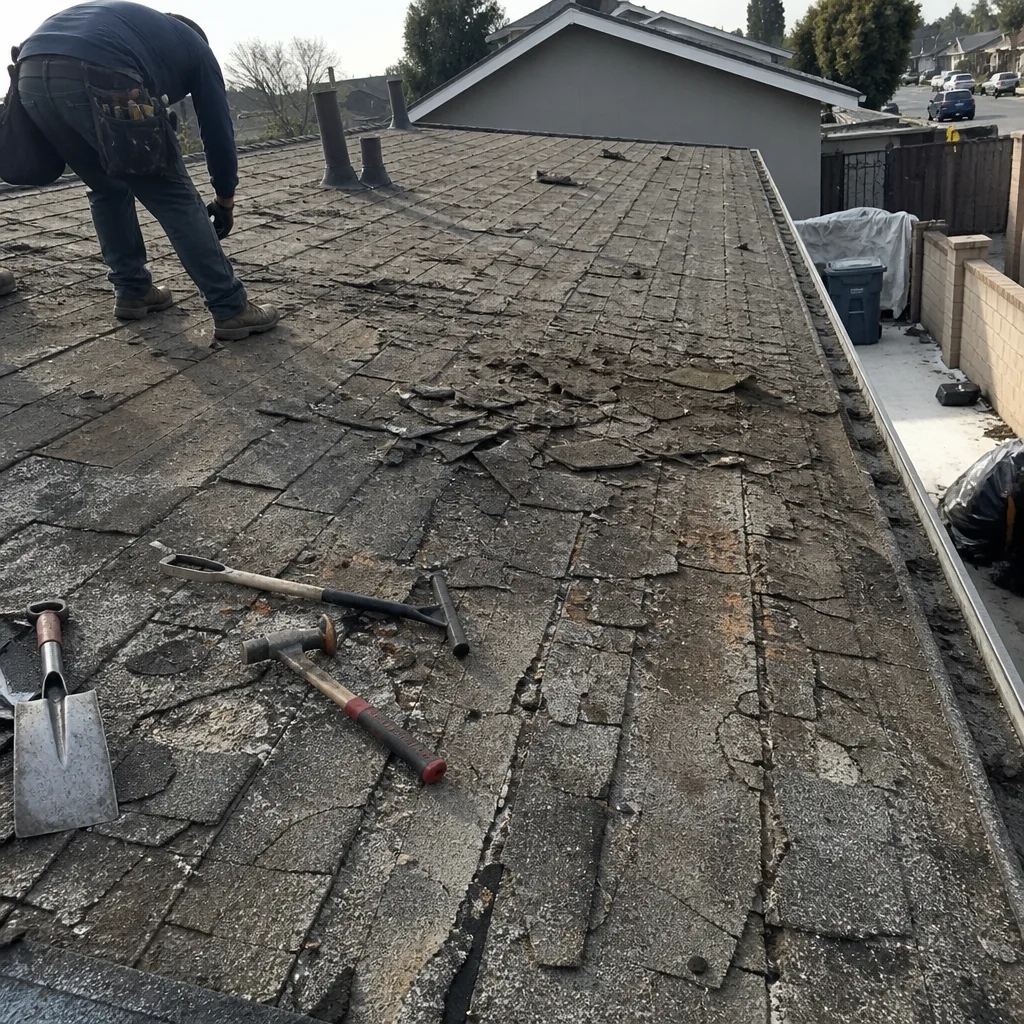 Before
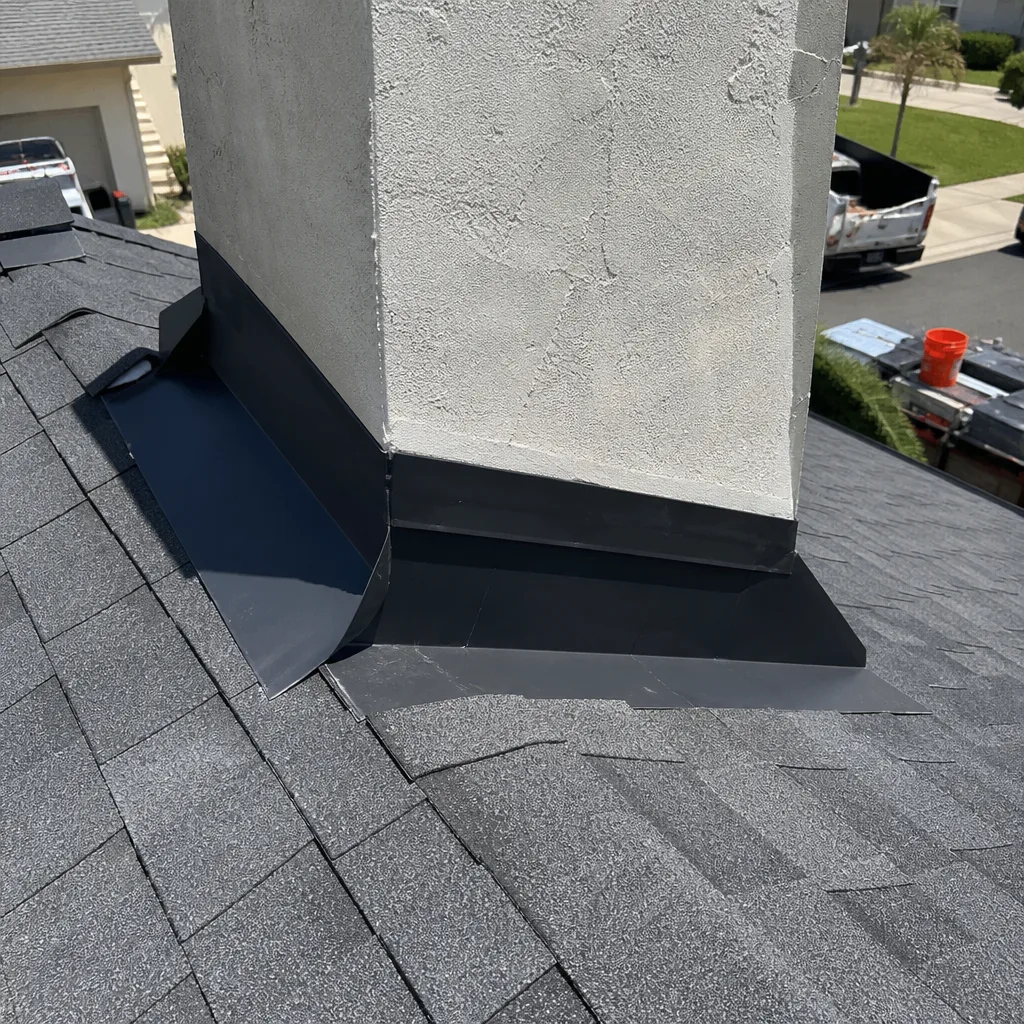 After
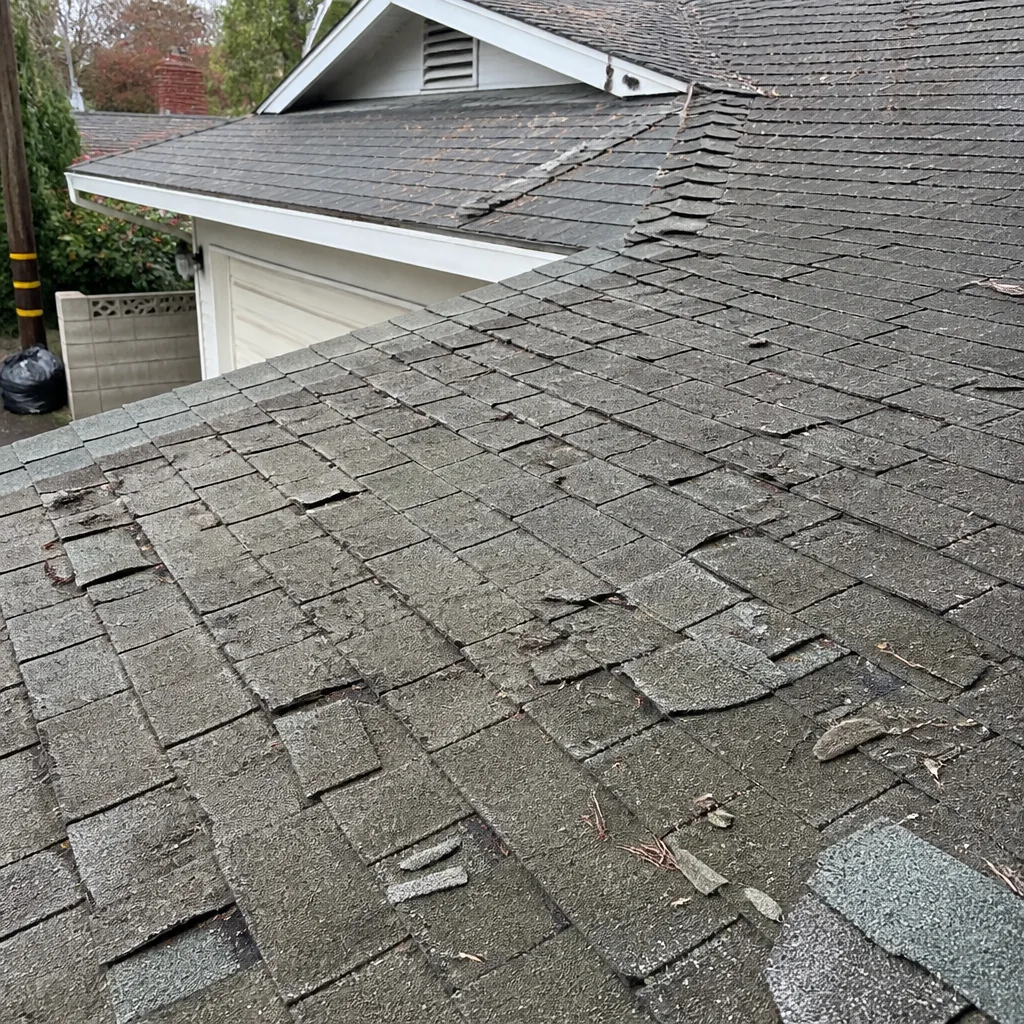 Before
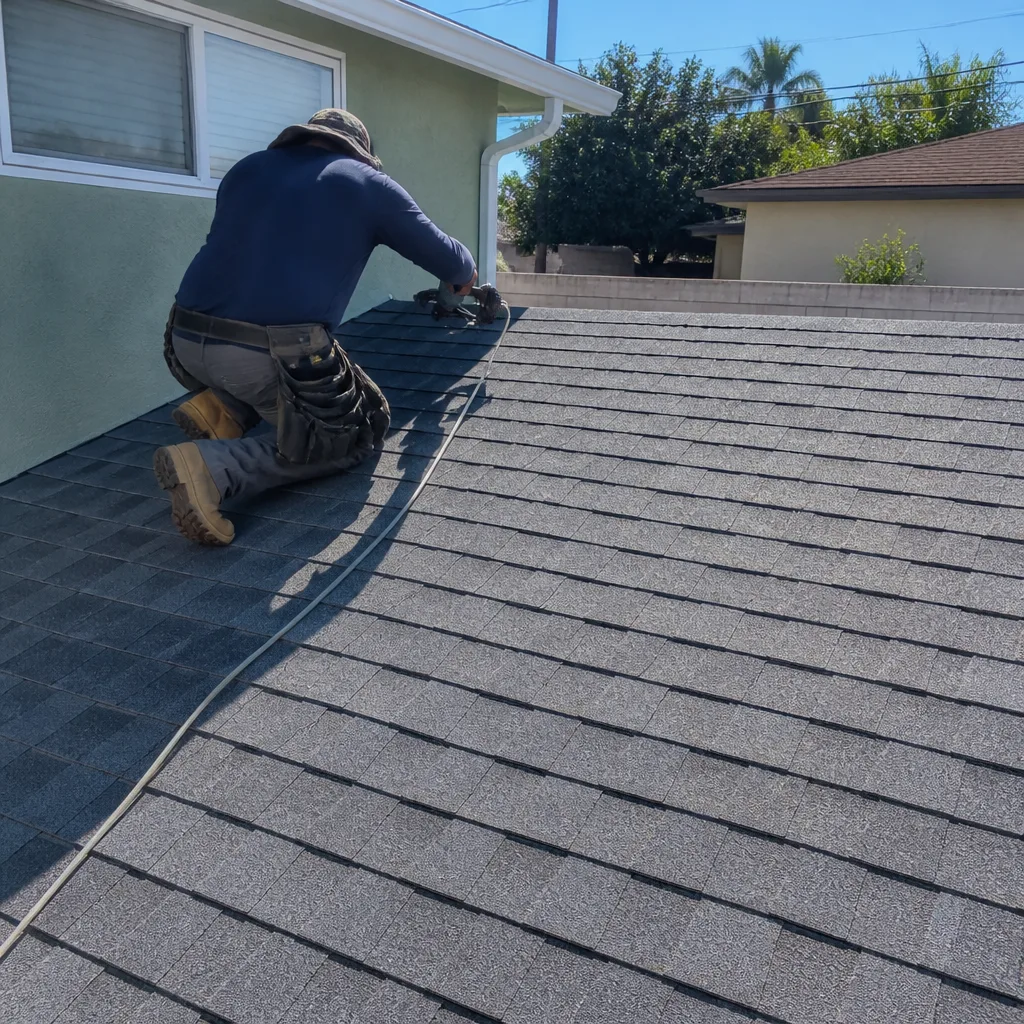 After
 Before
 After