Last updated October 31, 2026
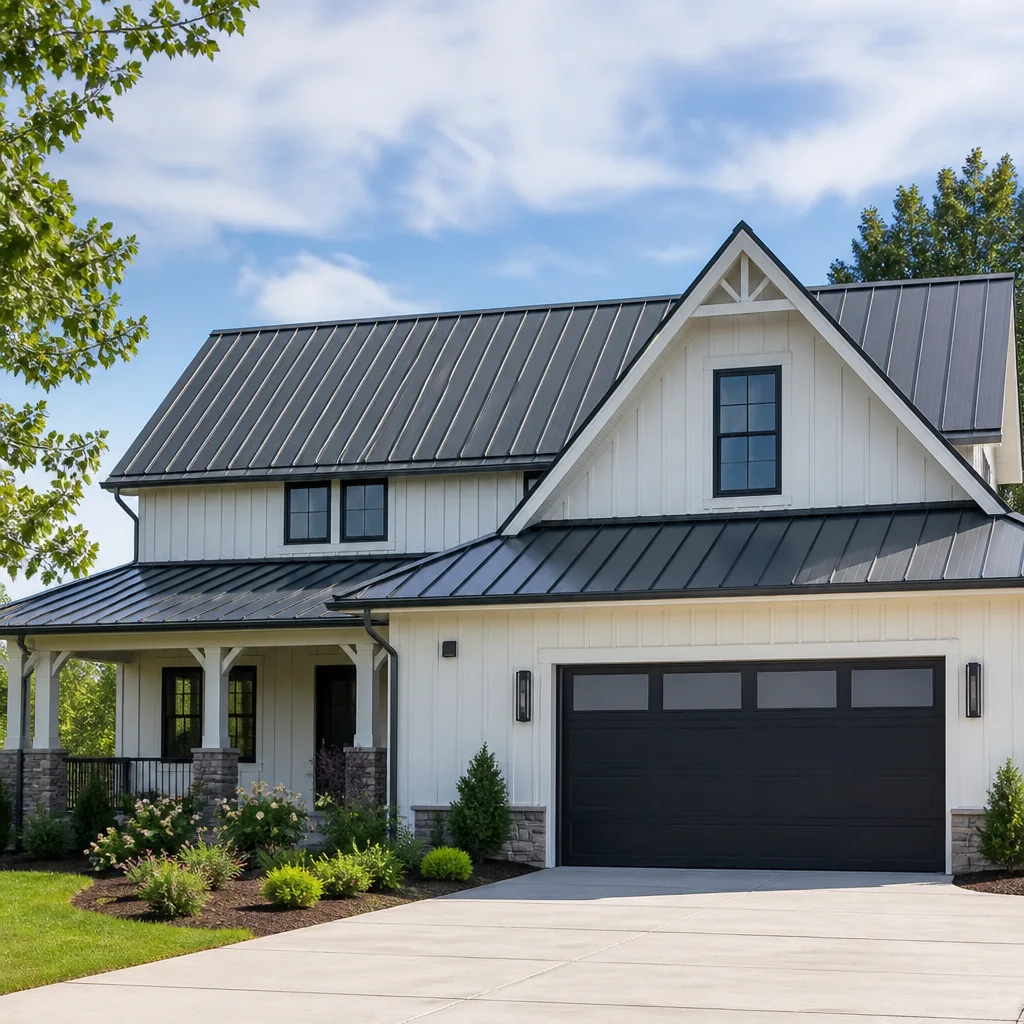 Metal roofing
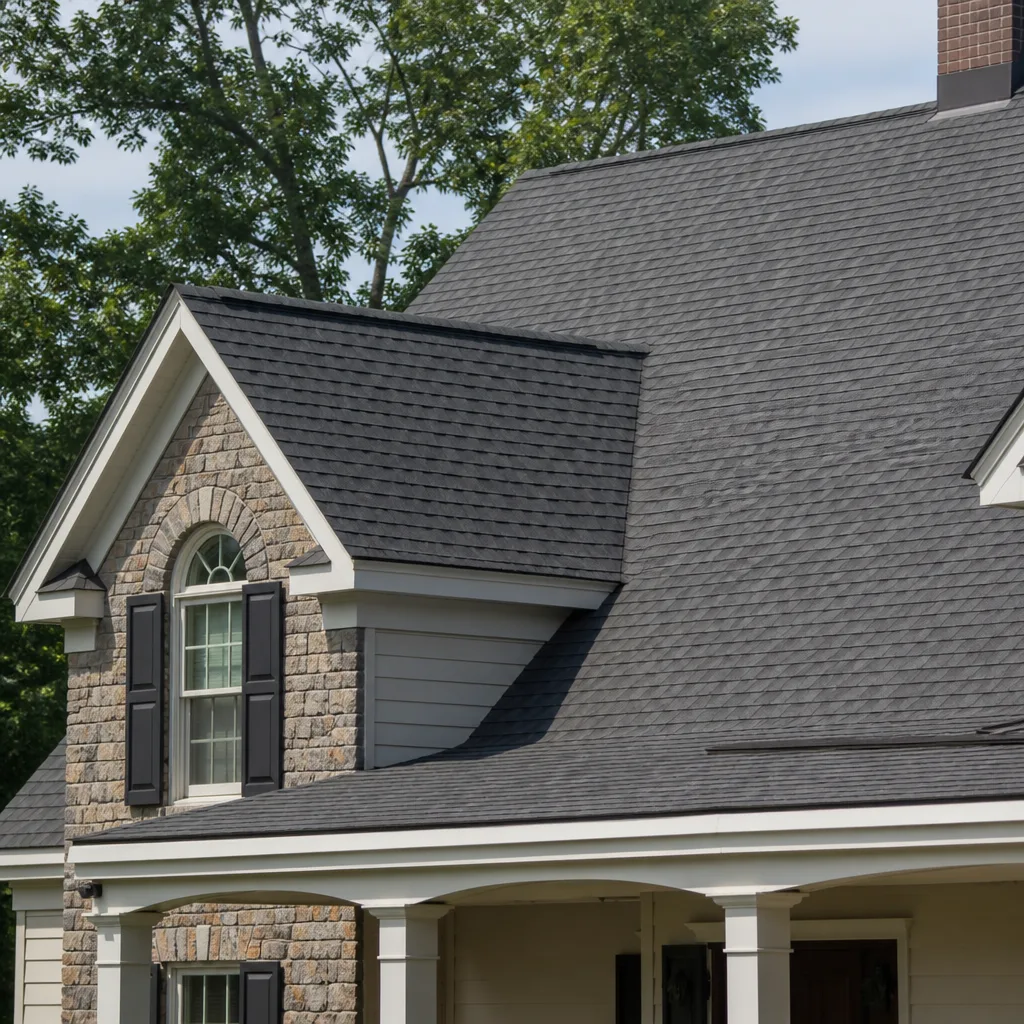 Architectural shingles
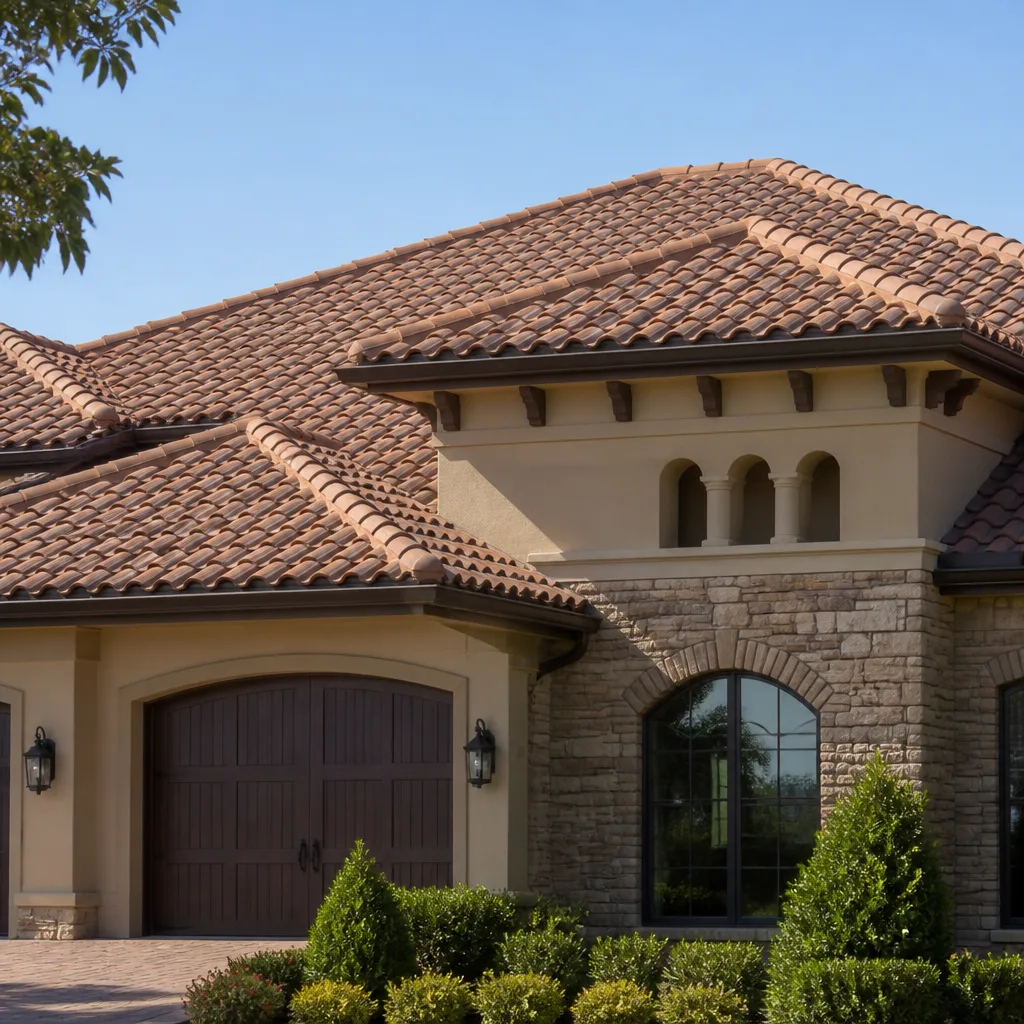 Tile roofing
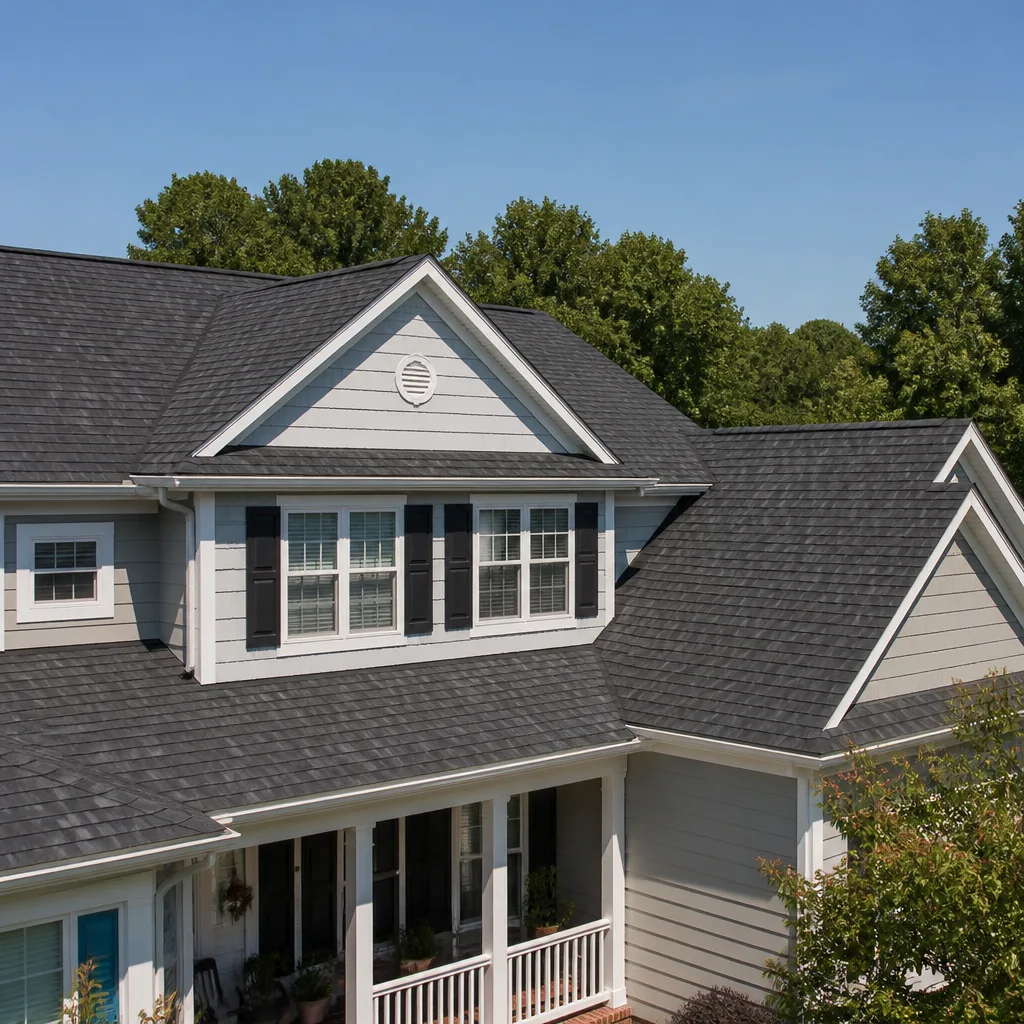 GAF
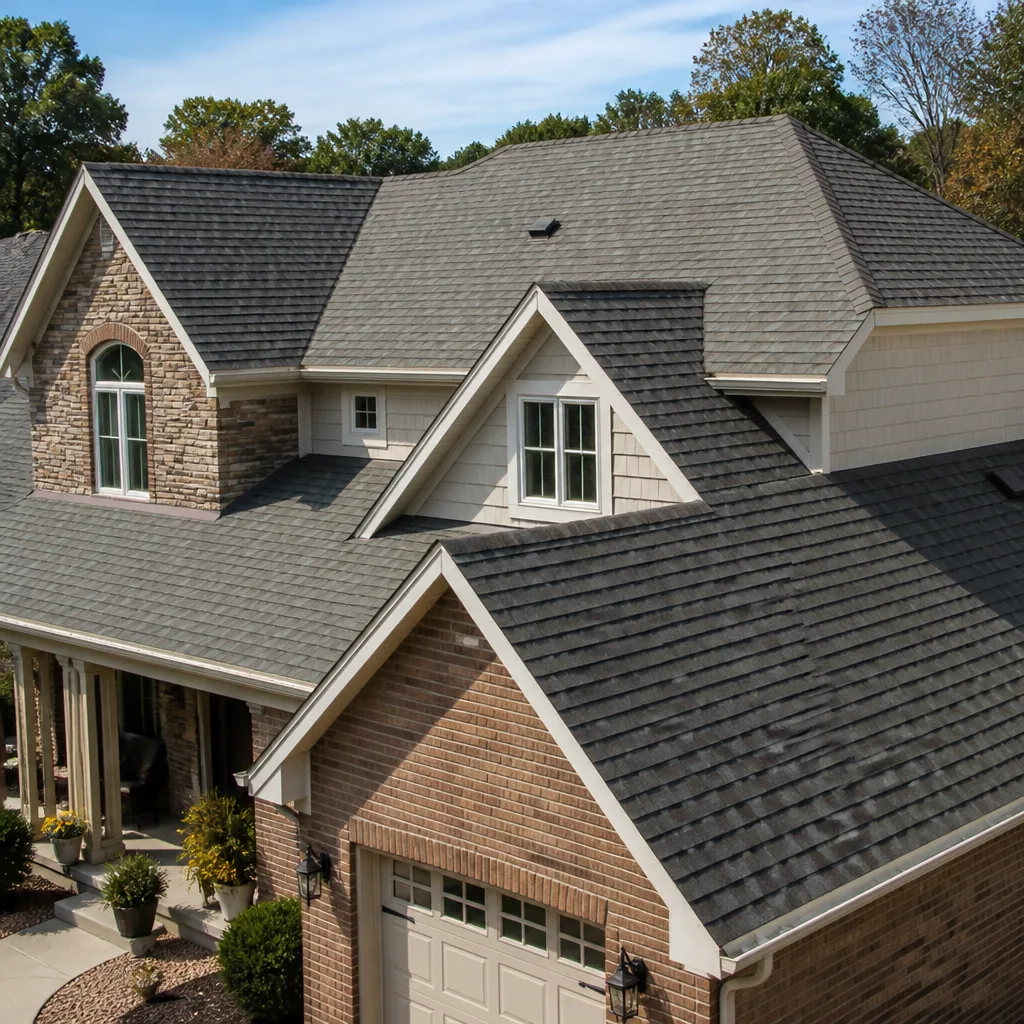 Owens Corning
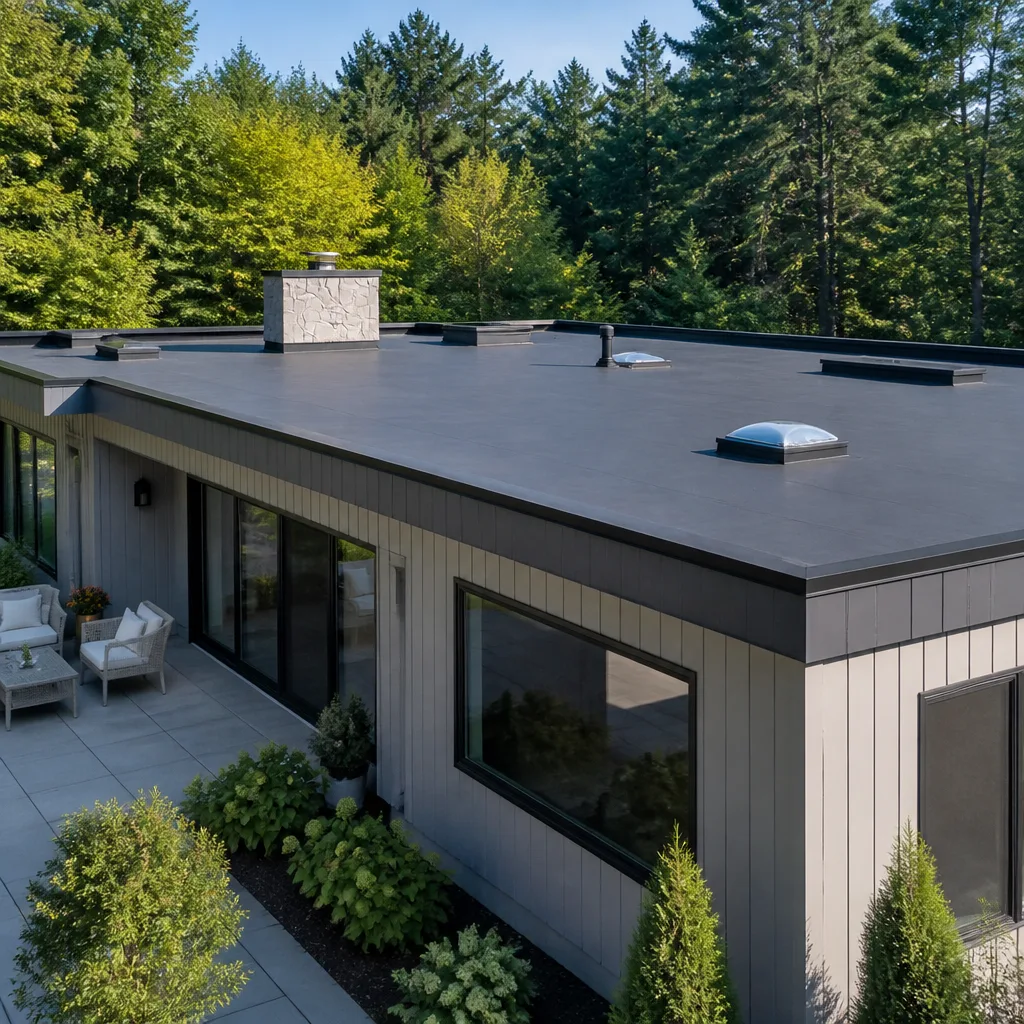 Flat & low-slope
Free roof inspection with deck photos before we talk money - GAF and Owens Corning certified installation
The Complete Guide to Roofing in Norwalk
Over 60% of Norwalk’s housing stock was built before 1980. That single fact shapes nearly every roofing decision a homeowner in this city will make, from whether a repair is even possible to which underlayment will survive the next Santa Ana wind event. Most roofing guides treat Norwalk as interchangeable with any other Southern California suburb. That’s a mistake. This guide covers what actually matters here: the mid-century tract home framing that determines deck condition, the wind corridors that punish certain materials, the county-versus-city permit confusion that delays projects, and the low-slope roof reality that rules out half the products on the market. If you own a home in Norwalk, the decisions ahead are different than they’d be in Cerritos or Downey, and this guide explains exactly why.
Quick Answer
Roofing in Norwalk means navigating a specific set of local conditions: homes built primarily between 1950 and 1980 with original decking and rafter spacing that predates modern codes, wind exposure from Santa Ana events funneling through the 580 – 710 freeway corridor, and permit requirements that split between LA County and the City of Norwalk depending on your address. The most reliable approach is a diagnostic-first process: a standalone inspection that confirms scope, then repair where repair is enough and replacement only when the deck, framing, or material age genuinely demands it. Working with a roofing-only contractor who stocks multiple material brands gives you choices matched to Norwalk’s actual climate rather than a single-brand pitch.
Styles & brands we work with
Table of Contents
- Why Norwalk’s Post-War Tract Homes Change Everything
- Santa Ana Wind Uplift: The 580 – 710 Corridor Factor
- LA County vs. City of Norwalk: Who Actually Issues Your Permit
- Low-Slope Roofs in Norwalk: Why They’re Common and What Actually Works
- From Inspection to Replacement: The Linear Process Explained
- Material Choice in Norwalk: Matching Product to Conditions
- What Roofing Costs in Norwalk
- Common Mistakes to Avoid
- When to Call a Professional
- Frequently Asked Questions
Why Norwalk’s Post-War Tract Homes Change Everything
Norwalk grew fast in the 1950s and 1960s. Entire neighborhoods went up in months, built to meet postwar demand with materials and methods that were fast and affordable for the era. That construction history directly affects what a roofer finds when they tear off your old shingles today. The original decking on many of these homes is 3/8-inch plywood or even spaced board sheathing, not the 1/2-inch or 5/8-inch plywood or OSB that current building codes assume. Rafter spacing often runs 24 inches on center instead of the modern standard of 16 or 20, which means the deck flexes more under load and heat. Original underlayment, where it exists at all, is frequently an asphalt-saturated felt that has degraded into paper-thin layers.
What this means in practical terms: a re-roof on a Norwalk tract home isn’t as simple as stripping shingles and nailing on new ones. The deck often needs replacement or reinforcement before new materials go down. If a contractor gives you a quote over the phone without inspecting the deck, walk away. In our experience with homes near Norwalk High School and throughout the Goosetown area, deck replacement on these mid-century builds adds real cost, but skipping it means the new roof fails early. A Roof Inspection in Norwalk that includes attic and deck evaluation is the only way to know what’s under the surface before any dollar is committed.
The framing legacy also affects ventilation. Many of these homes were built with minimal or no intake ventilation at the eaves, relying on gable vents or nothing at all. Modern roofing systems assume balanced airflow. When a new roof goes on an under-ventilated 1962 ranch house without addressing that airflow, the attic runs hot, shingles cook from below, and the manufacturer’s warranty becomes void. Norwalk’s summer heat amplifies this. A legitimate Norwalk roofer will talk about ventilation as part of the roof scope, not as an upsell, because it’s structurally inseparable on these homes.
Santa Ana Wind Uplift: The 580 – 710 Corridor Factor
Norwalk sits directly in a wind corridor. Santa Ana events move through the Whittier Narrows and down across the flat expanse between the 5 and 605 freeways, and the stretch along the 580 and 710 interchange zones sees gusts that homeowners in other parts of the county simply don’t experience. Wind uplift, which is the force that peels shingles and underlayment off a roof deck, operates differently here than in coastal areas or shielded foothill communities. A shingle rated for 90 mph wind might be rated for 110 mph if installed correctly, but the rating assumes the fastening pattern and deck condition support it. On Norwalk’s mid-century decks with 24-inch rafter spacing and aged plywood, uplift performance degrades.
The practical concern for Norwalk homeowners is at the roof perimeter. The edges, corners, and ridge lines take the most uplift force during Santa Ana events. Wind gets under a loose shingle edge near the eave, and once it finds purchase, it unzips the roof in sections. That’s why perimeter fastening matters more here than it does ten miles west. It’s also why reputable Norwalk roofers install peel-and-stick underlayment at eaves, valleys, and penetrations as a standard part of any re-roof, even when the rest of the field gets traditional synthetic underlayment. The cost difference is small compared to a water intrusion event during the next wind season.
Homeowners in the corridor zone near the 605, particularly in the flat-grid streets east of Pioneer Boulevard, should consider wind-rated shingle options. Products from Atlas and Tamko both include lines with enhanced wind warranties that make sense on Norwalk homes. The key, though, is that the warranty only holds if the installation follows the manufacturer’s high-wind fastening pattern. That’s a specification item, not a marketing item. Ask your contractor directly: “What fastening pattern are you using for this wind zone?” If they answer with a blank stare, keep looking.
LA County vs. City of Norwalk: Who Actually Issues Your Permit
Norwalk is an incorporated city. That means the City of Norwalk’s Building and Safety division has primary jurisdiction over construction permits within city limits. But LA County still shows up in ways that trip up homeowners. Unincorporated pockets and county-administered programs sometimes apply to Norwalk addresses, particularly on older lots with county easements or in areas that were originally county-supervised before annexation. The result is that a homeowner can call one agency, be told they’re in the wrong place, call another, and lose a week before the permit application even starts.
The simplest path is to verify jurisdiction before any work begins. A contractor pulling permits for a Norwalk roof should be able to tell you within one business day which agency your address falls under. If a contractor suggests skipping permits on a full re-roof, that’s a red flag. California’s Title 24 energy code applies to any re-roof in Norwalk, and the City of Norwalk requires inspection of the roof deck before the new material installation gets sign-off. Skipping permits saves a few hundred dollars up front and creates a disclosure problem when you sell the house. Norwalk’s real estate market moves fast, and unpermitted roof work is one of the most common deal-killers in escrow. This applies to Roof Replacement in Norwalk projects specifically, since repairs under a certain square footage threshold may not require a permit depending on scope, and a legitimate contractor will tell you where your project falls.
There’s also the LA County Assessor’s Office reality: any permitted improvement gets recorded and may adjust your assessment. That’s an honest tax consequence, not a reason to avoid permits. The alternative is worse. A roof done without permits and without inspection has no third-party verification that the deck was sound, the underlayment was installed correctly, or the fastening met code. When a claim is filed years later, the insurance adjuster checks permit history. Unpermitted work can become a denied claim. In Norwalk, a city that sees enough wind and heat stress to age roofs quickly, that risk isn’t theoretical.
Low-Slope Roofs in Norwalk: Why They’re Common and What Actually Works
Drive through Norwalk’s older neighborhoods and you’ll notice something: many homes have roofs that look nearly flat. They’re not truly flat, but they’re low-slope, usually between a 1:12 and 3:12 pitch. This wasn’t an architectural choice for style. Post-war tract builders used low-slope designs to maximize interior ceiling height while keeping construction quick and material costs low. The result is a housing stock where a significant percentage of roofs can’t take standard asphalt shingles at all. Shingle manufacturers require a minimum slope for warranty coverage, usually 2:12 or 3:12 depending on the product. Below that, shingles become decorative, not functional. Water pools, wind pushes under laps, and the sealant strips fail early.
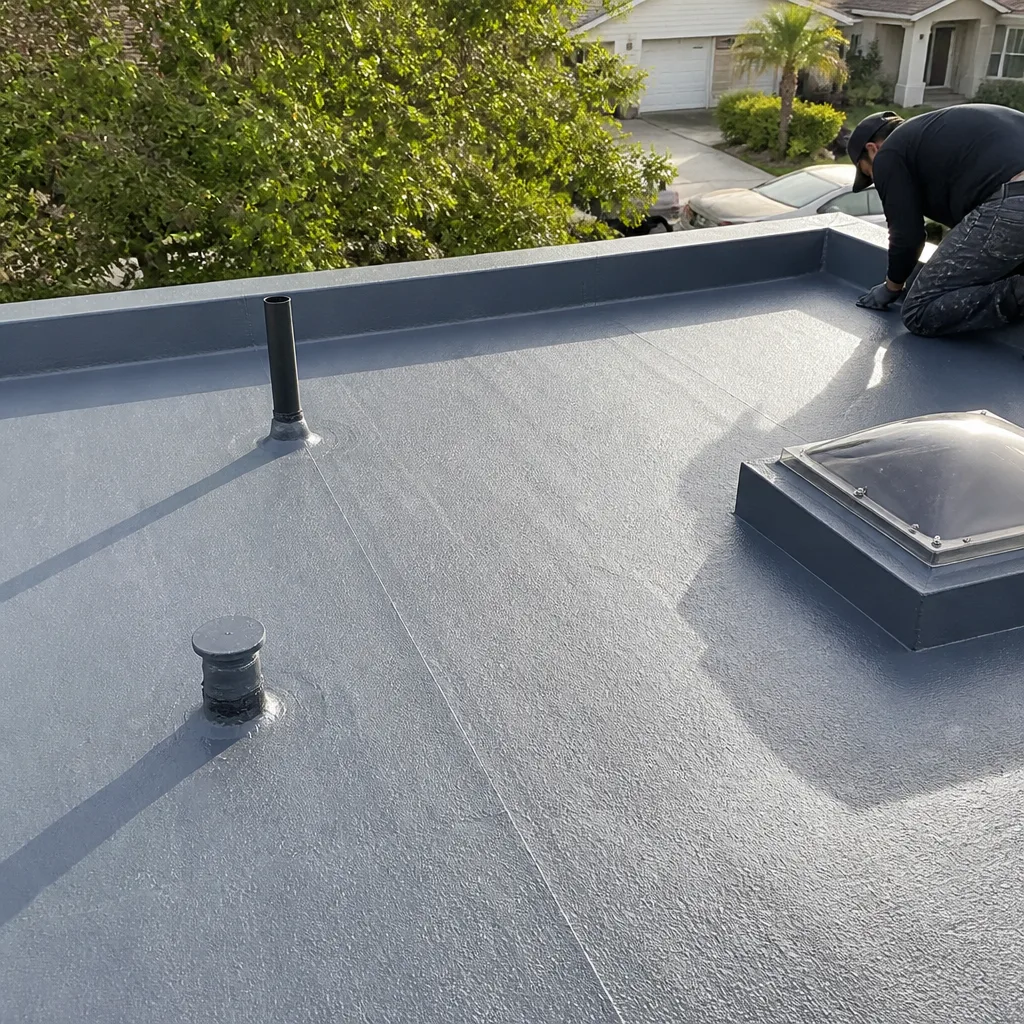
For low-slope Norwalk roofs, the actual material conversation shifts. Modified bitumen, TPO, and certain standing seam metal profiles are the realistic options. Modified bitumen, which installs as roll material with heat-welded or adhesive seams, is the most common retrofit on Norwalk’s low-slope tract homes because it handles ponding water better than most alternatives and doesn’t require a complete deck redesign. TPO makes sense for larger low-slope expanses where energy reflectivity matters, given Norwalk’s summer sun. Some homeowners explore IKO and Boral lines, but the key is matching the product to the slope and the deck, not picking a brand name first. A licensed Norwalk roofer who works with multiple manufacturers can show you what actually applies to a 2:12 roof on your street. This is where the multi-brand access matters most: a roofer locked into one manufacturer will try to force-fit their product onto your low-slope deck, and that’s how you end up with a shingle roof that fails in five years.
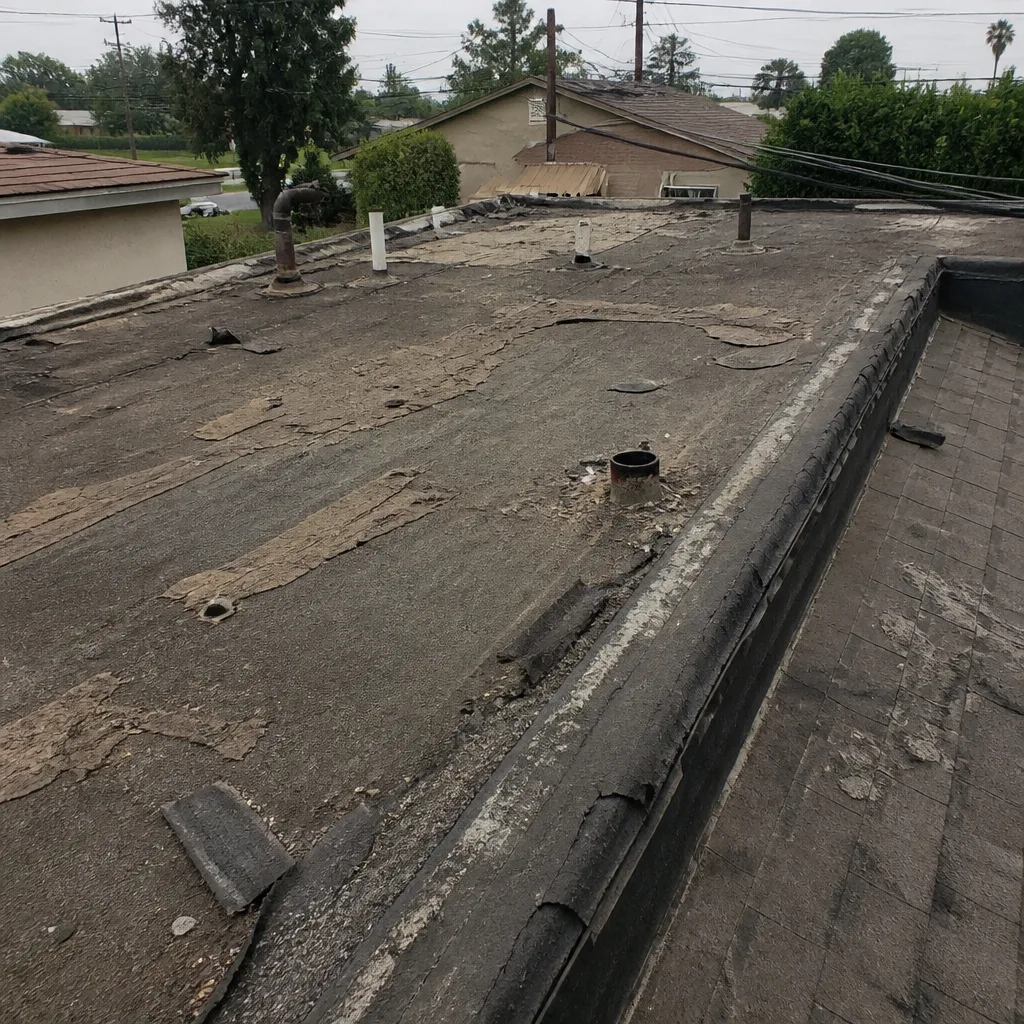
Ponding water is the persistent issue on low-slope roofs in Norwalk. After a winter rain, water sits in the low spots and bakes off slowly in the sun. Every cycle takes a little more life out of the membrane. The correct fix is either a tapered insulation system to create positive drainage or a recovery board layer that smooths the deck before the new membrane goes on. Neither is cheap, neither is optional on a roof that already has visible ponding, and neither is something a homeowner should attempt as a DIY project. This is trained roof work, full stop.
From Inspection to Replacement: The Linear Process Explained
Norwalk homeowners who’ve been burned before usually got burned at the same point: the moment a contractor jumped from “we’ll take a look” to “you need a new roof” without showing them the evidence. The correct process is linear and specific. It starts with inspection, moves to scoped repair if repair is sufficient, and only reaches replacement when the deck, framing, or cumulative material failure justifies it. That’s the sequence we follow, and it’s the sequence Norwalk’s specific housing stock demands, because mid-century decks hide problems that only reveal themselves under direct examination.
- Roof Inspection. A proper inspection in Norwalk includes attic access to check deck condition from underneath, exterior examination of shingle or membrane condition, flashing inspection at all penetrations and transitions, and an assessment of ventilation. It produces a document: what’s there now, what’s failing, what’s likely to fail next. This is not a sales visit. It’s a diagnostic. The homeowner should receive findings they can understand and act on. A Roof Inspection in Norwalk from a roofing-only specialist should give you enough information to make a rational decision, even if that decision is “do nothing for now.”
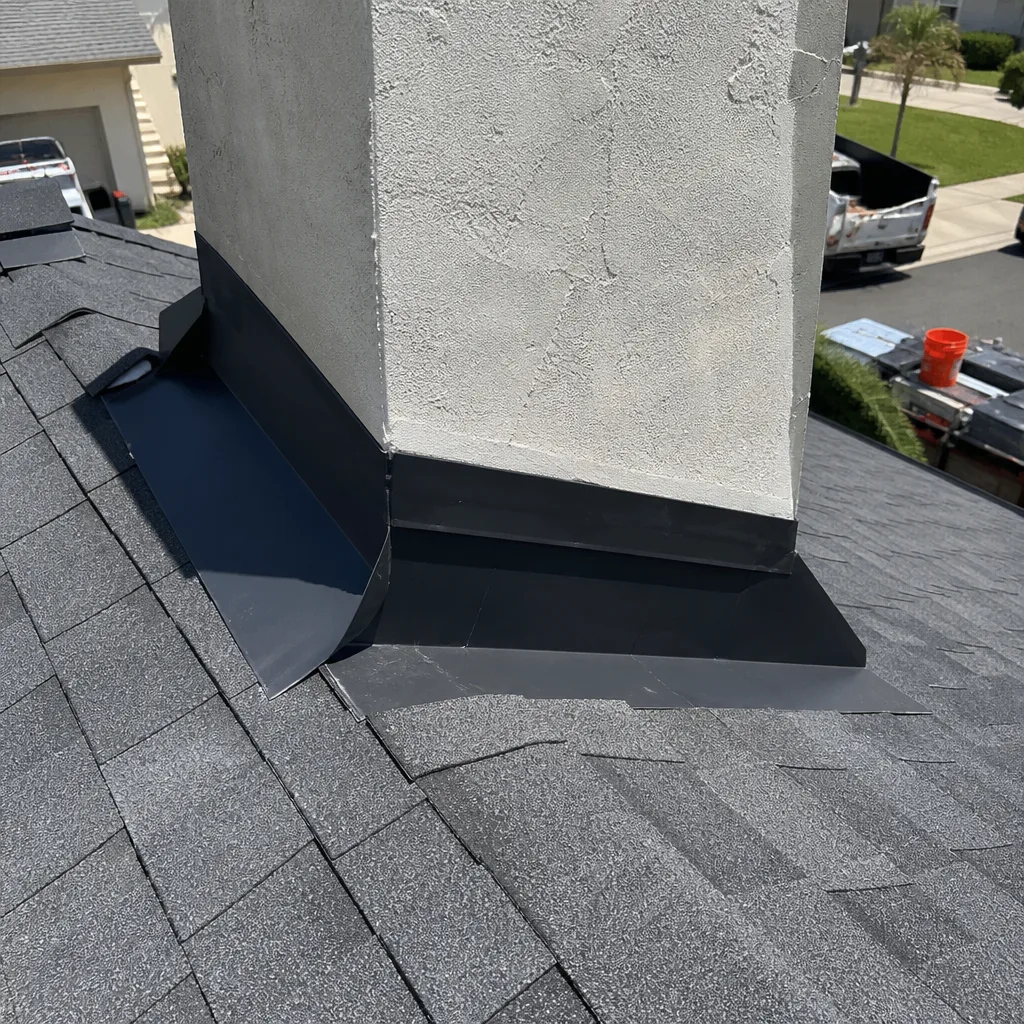
- Scoped Repair. If the inspection reveals isolated damage, such as flashing failure at a chimney or wind-damaged shingles in one section, repair is the correct scope. The repair gets written with specific line items: which materials, which locations, what’s included. Norwalk homes from the 1960s and 1970s often have one failed area while the rest of the roof has years of life left. Replacing a roof because one valley leaks is wasteful. Roof Repair in Norwalk handles this narrower, faster scope without the cost or disruption of full replacement.
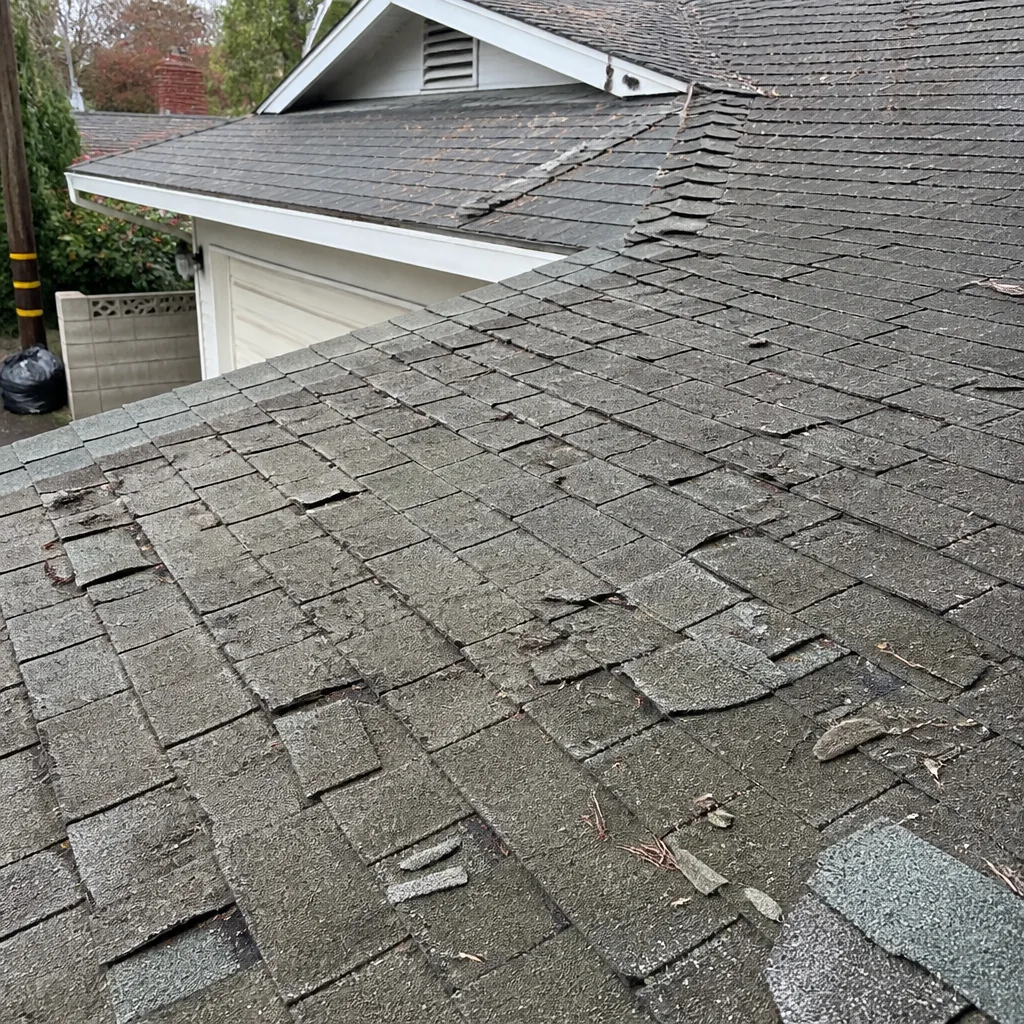
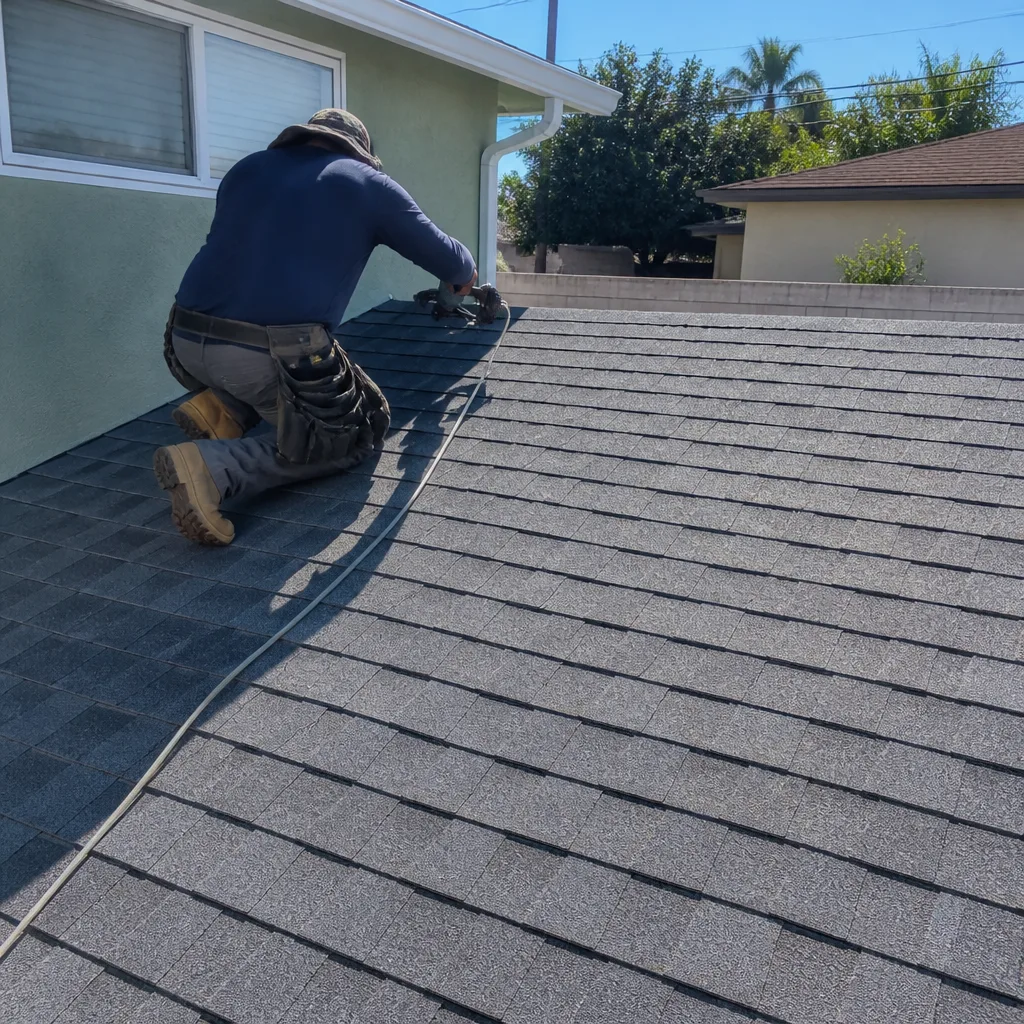
- Replacement When Warranted. If the inspection shows deck rot across large sections, shingle granule loss across the entire field, multiple failed repairs, or an underlayment that’s delaminated throughout, replacement becomes the honest recommendation. A full Roof Replacement in Norwalk includes deck replacement where needed, new underlayment appropriate to the wind zone, new flashing at every penetration, and ventilation correction. It’s done once, with permits, and it resets the clock.
The key distinction: the same contractor handles all three tiers. There’s no hand-off to a different crew, no referral to a “replacement partner,” no diagnostic report that becomes useless when the scope grows. The person who saw the deck from underneath is the person who fixes it or replaces it. That continuity matters especially in Norwalk, where the deck condition is the single biggest variable on these older homes.
Material Choice in Norwalk: Matching Product to Conditions
Norwalk’s climate is specific: hot summers with direct sun exposure for long afternoons, mild but wet winters, and the Santa Ana wind season from September through January. A roofing material that works beautifully in a coastal marine layer environment can be the wrong choice here. Conversely, materials that thrive in desert heat may not be the best match for a low-slope Norwalk tract roof. The right approach is to match product characteristics to the individual home’s conditions, and that’s only possible when the contractor isn’t locked into one brand.
Working with seven of the industry’s most recognized manufacturers, including GAF, CertainTeed, Owens Corning, and Atlas, among others, means the product recommendation can follow the roof’s facts. A steep-slope home with heavy sun exposure might benefit from an architectural shingle with a high reflectivity rating. A low-slope home with ponding concerns needs a membrane product, not a shingle at all. A homeowner on a tight budget who still wants wind-rated performance has genuine options rather than whatever single brand happens to be on the truck. The brand portfolio exists for that reason: Tamko, IKO, and Boral each have lines that solve specific problems, and the right choice depends on the roof, not the supply agreement.
The material conversation also affects what you pay. Multi-brand access means pricing can be competitive without sacrificing quality. A roofer who installs one brand has no incentive to find you a better match. A roofer who installs seven can lay out the options and let you choose the path. That’s the positioning Norwalk homeowners deserve after years of single-brand pitches that treat the city like a generic Southern California zip code.
What Roofing Costs in Norwalk
Roofing costs in Norwalk vary by scope, and the numbers below reflect what homeowners should expect as of the current market. These are ranges, not quotes. The only way to get an accurate number is an inspection that evaluates your specific deck, slope, size, and access. But having an honest range before you pick up the phone helps you evaluate whether a bid is reasonable or predatory.
- Roof inspection: $150 – $400 depending on depth and whether attic access is included. A thorough inspection on a mid-century Norwalk home should include attic evaluation, which many cheap inspections skip.
- Minor repair (flashing, isolated shingle replacement, small patch): $350 – $900. These are same-day or single-visit jobs in most cases.
- Moderate repair (multiple areas, valley rebuild, penetration re-flashing): $900 – $2,500. This scope often comes up on Norwalk tract homes where the original flashing has reached end of life in several places at once.
- Full replacement, standard slope, one-story: $9,000 – $16,000 depending on square footage, deck condition, material grade, and ventilation work. Homes with significant deck replacement trend toward the higher end.
- Full replacement, low-slope or membrane system: $11,000 – $22,000. Low-slope membrane systems carry higher material and labor costs than standard shingle applications.
- Deck replacement (if needed): $2 – $4 per square foot additional, depending on the extent and whether the home is one or two stories. This is the variable that most surprises Norwalk homeowners on pre-1980 builds.
These figures assume permitted work with a licensed contractor. Unpermitted work quotes will look cheaper and cost more in the long run, which Norwalk’s real estate transfer patterns make particularly punishing. The free estimate call is (866) 617-1004, and a legitimate contractor will give you a written line-item quote after inspection, not a verbal number before looking at the roof.
Common Mistakes to Avoid
- Skipping the attic inspection. Over 60% of Norwalk homes predate 1980, which means the deck can be hiding rot, delamination, or undersized sheathing that’s invisible from the exterior. A roofer who quotes without attic access is guessing.
- Adding a second shingle layer over a failing original. Norwalk’s mid-century decks were often built with 3/8-inch plywood and 24-inch rafter spacing. Adding a second layer doubles the weight on a deck that’s already undersized by modern standards and hides the damage beneath.
- Choosing shingles without confirming slope compatibility. Many Norwalk homes sit at or below the 3:12 pitch where shingles start losing warranty protection. Installing shingles on a 2:12 roof is a five-year roof, not a twenty-five-year roof.
- Ignoring ventilation. The original builders of Norwalk’s tract homes didn’t design for modern attic airflow science. A new roof on an under-ventilated attic will fail early, and the manufacturer will deny the warranty claim when they inspect.
- Skipping permits on a full replacement. The City of Norwalk requires deck inspection during re-roofs. Unpermitted work shows up in escrow and kills sales. It’s one of the most avoidable mistakes a homeowner can make.
- Treating low-slope and steep-slope roofs as interchangeable. They aren’t. A roofer who installs shingles on everything is the wrong roofer for a Norwalk low-slope home. The material has to match the pitch, not the contractor’s inventory habits.
- Falling for pressure-sell replacement pitches. When a contractor jumps straight to full replacement without showing you the scope of actual damage, they’re selling you a commission, not a roof. Diagnostic first, spend second.
When to Call a Professional
Call a roofer when you see granule loss gathering in gutters, when shingles are curling or missing after a wind event, when water stains appear on ceilings or walls, when the attic smells like damp wood, or when you’re preparing to sell and need disclosure documentation. On low-slope Norwalk roofs, standing water that doesn’t drain within 48 hours after rain is a call-trigger, not a cosmetic issue. If you’re unsure whether the problem is serious, an inspection is cheaper than a leak that has time to rot decking and framing. True North Roof Repair offers free estimates in Norwalk, call (866) 617-1004 to schedule one. We lay out the options, and you choose the path.
Frequently Asked Questions
A full roof replacement in Norwalk typically costs $9,000 – $22,000 depending on square footage, slope, deck condition, and material choice, with low-slope membrane systems trending higher than standard shingle applications. Homes with original mid-century decking often need deck replacement that adds $2 – $4 per square foot. Call (866) 617-1004 for a written line-item quote after inspection, estimates are free.
Yes, the City of Norwalk requires a permit for full roof replacement, including a deck inspection before new material installation receives sign-off. Repairs under a certain square footage threshold may not require a permit depending on scope, and a legitimate contractor will verify jurisdiction and tell you where your project falls. Call (866) 617-1004 to confirm your specific situation.
Standard architectural shingle roofs in Norwalk typically last 15 – 25 years depending on material grade, ventilation quality, and whether the original deck was replaced or reinforced. The combination of intense summer sun, Santa Ana wind stress, and winter moisture ages roofs faster here than in coastal or cooler areas. Low-slope membrane roofs have a similar 15 – 25 year range when installed with proper drainage.
Post-war tract builders in Norwalk used low-slope roof designs to reduce construction time and material costs while maximizing interior ceiling height. These roofs, typically between 1:12 and 3:12 pitch, require membrane systems like modified bitumen or TPO rather than standard asphalt shingles, which lose warranty protection below a 3:12 slope.
Yes, in many cases a Roof Repair in Norwalk is the correct scope when damage is isolated to flashing, a single section of shingles, or one valley. The only way to know is an inspection that includes attic evaluation to check deck condition underneath. Diagnostic first, spend second is the principle that protects your budget. Call (866) 617-1004 to schedule an inspection.
After a Santa Ana event in Norwalk, check for lifted or missing shingles at the roof perimeter and corners, damaged flashing around penetrations, and debris accumulation in valleys. The perimeter and corners take the most uplift force in the 580 – 710 corridor zones. If you see granule loss in gutters or find shingles in the yard, call (866) 617-1004 for a wind-damage inspection before the next rain.
The Bottom Line
Roofing in Norwalk is a local discipline, not a generic Southern California service. The city’s housing stock, dominated by post-war tract homes with mid-century decks and low-slope designs, demands a contractor who understands what’s under the surface before quoting a price. Wind uplift from Santa Ana events, permit jurisdiction between city and county, and material compatibility with specific slope conditions all shape the right answer for your roof. The process works when it runs inspection first, then scoped repair, then replacement only when the evidence supports it. That’s the approach Norwalk homeowners deserve, and it’s the approach that protects the biggest investment you have. Start with a diagnostic, understand your options, and choose the path with clear information. Call (866) 617-1004 to begin with a free estimate.
Written by the team at True North Roof Repair, serving Norwalk since 2016.
See the difference
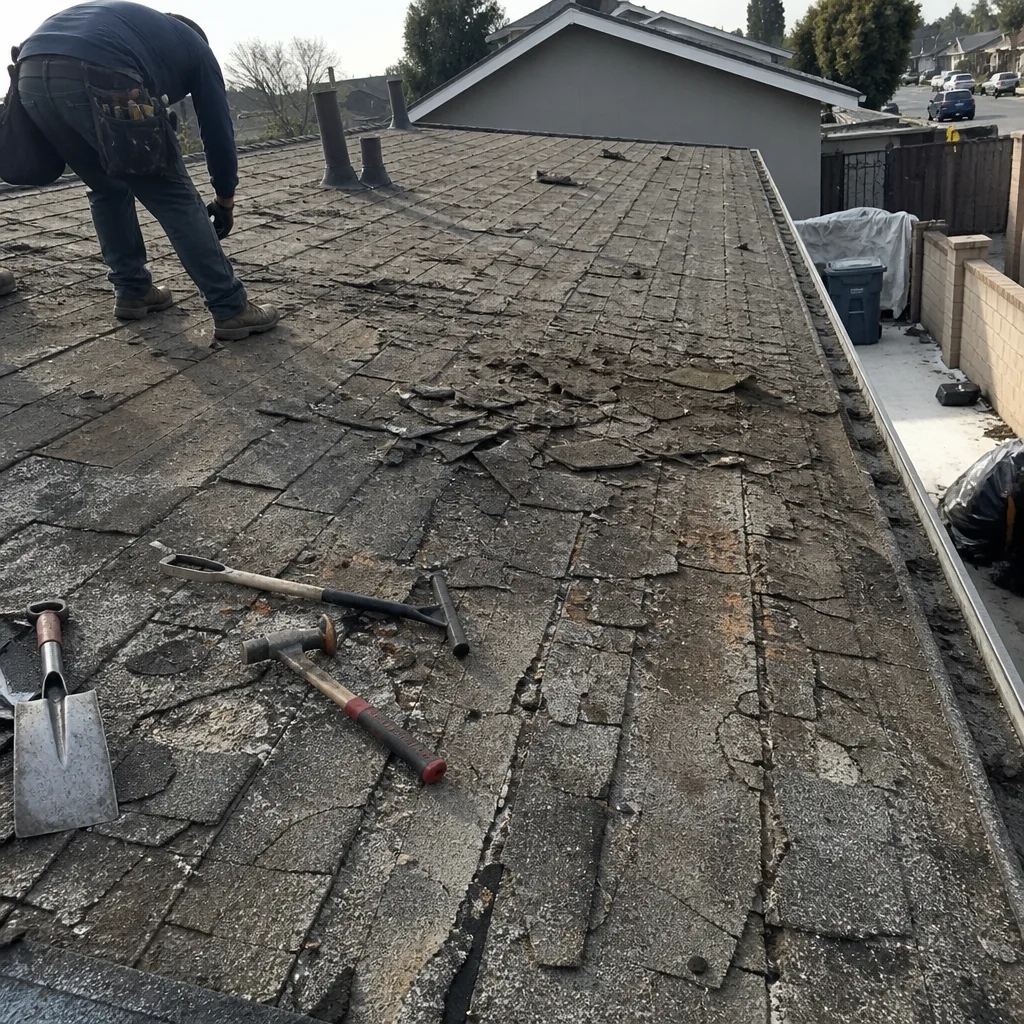 Before
 After
 Before
 After
 Before
 After