Last updated October 31, 2026
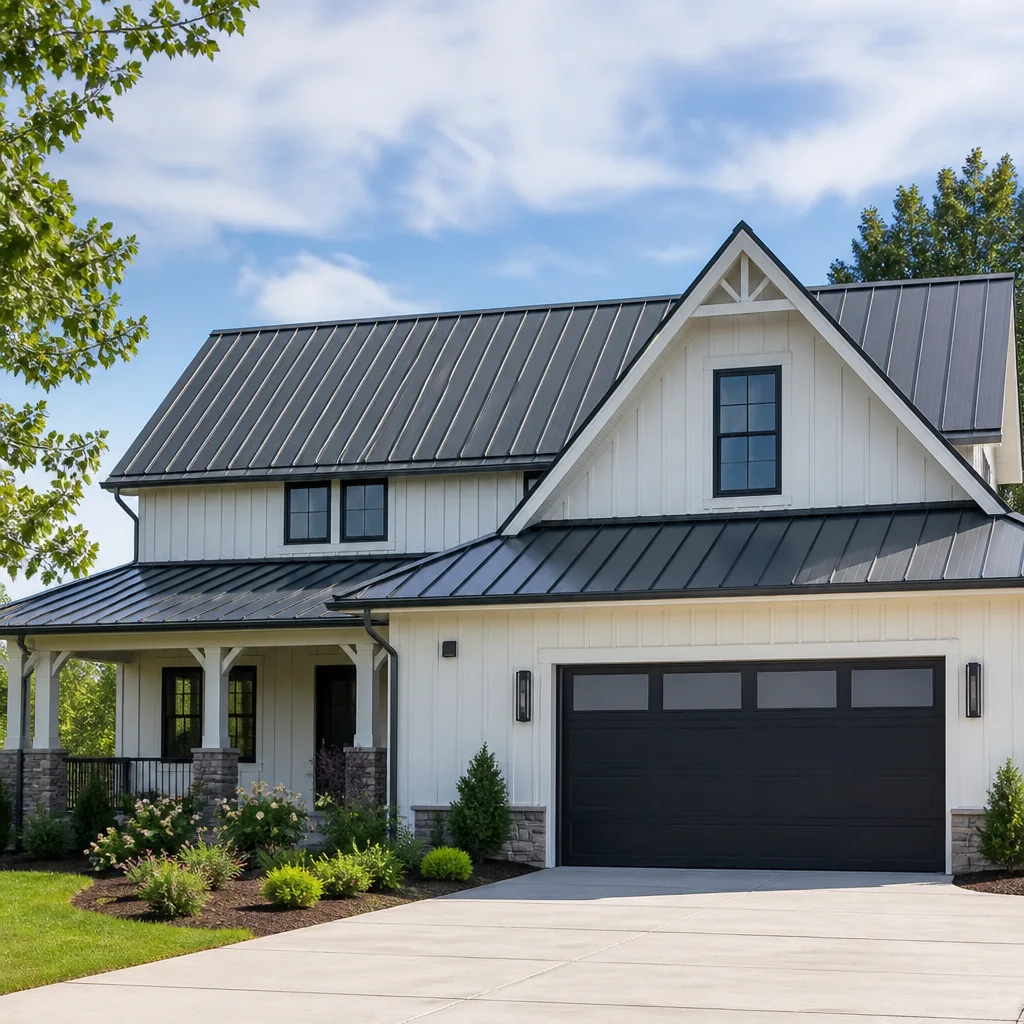 Metal roofing
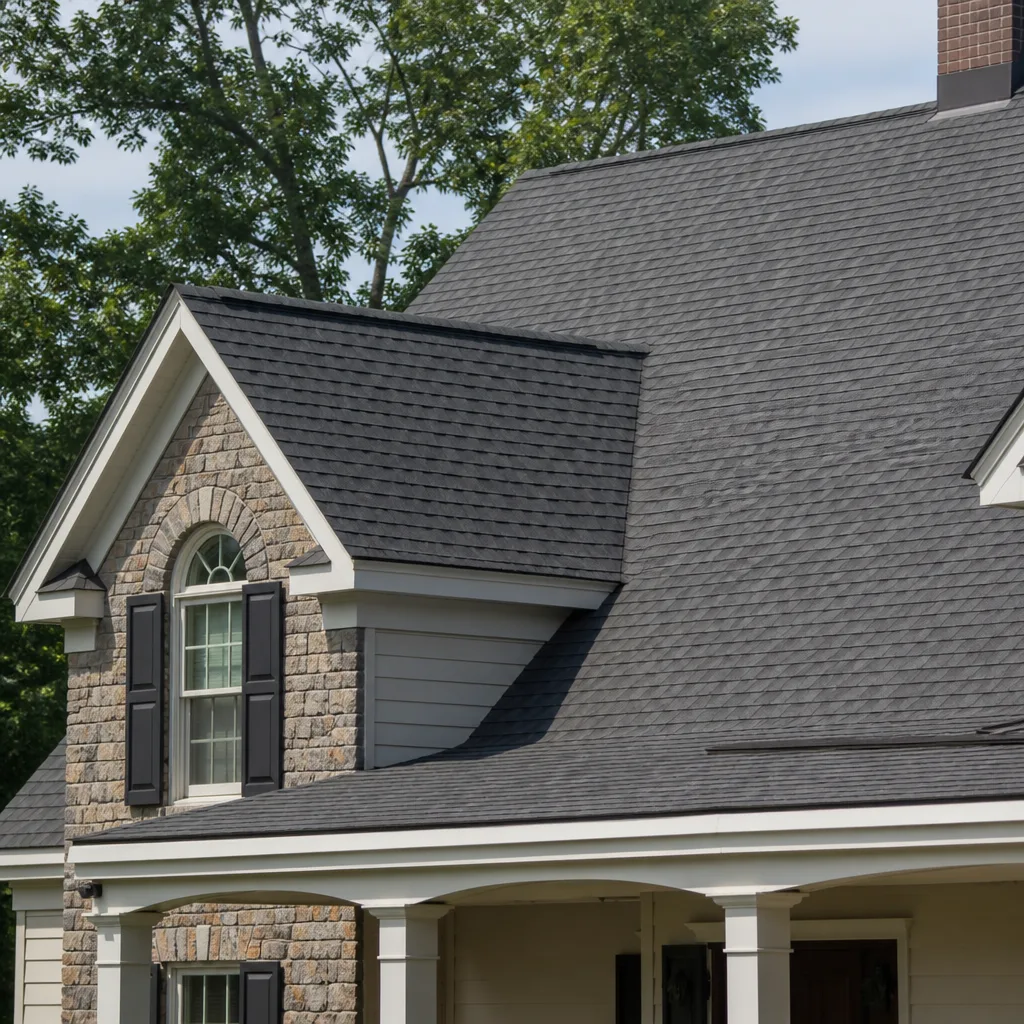 Architectural shingles
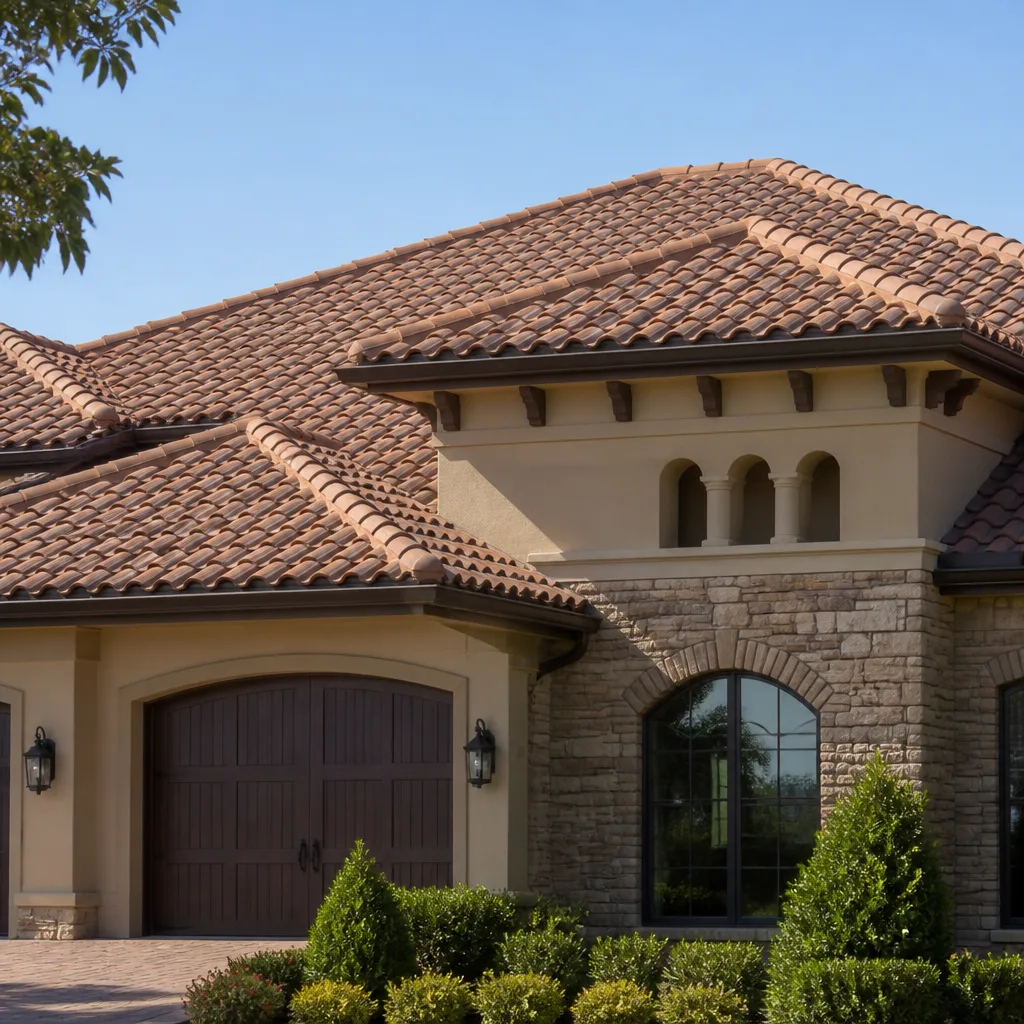 Tile roofing
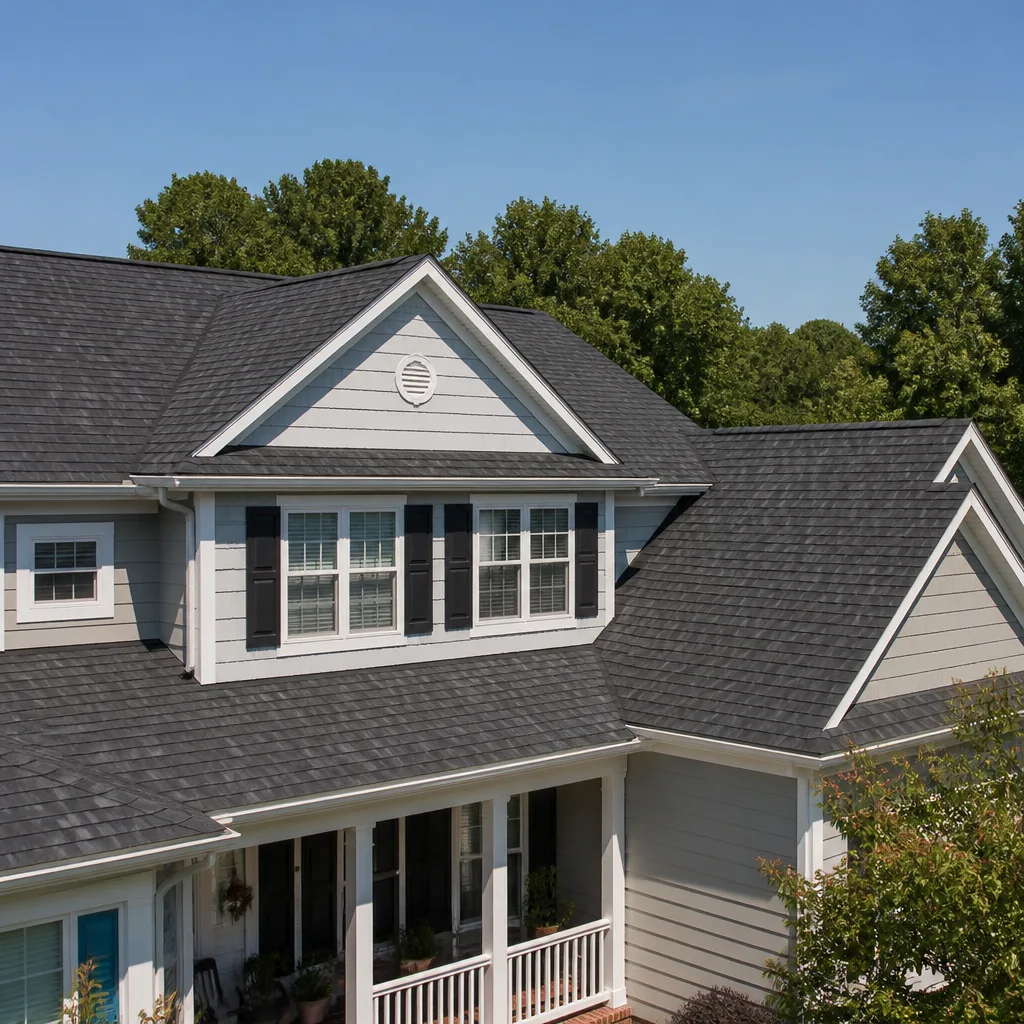 GAF
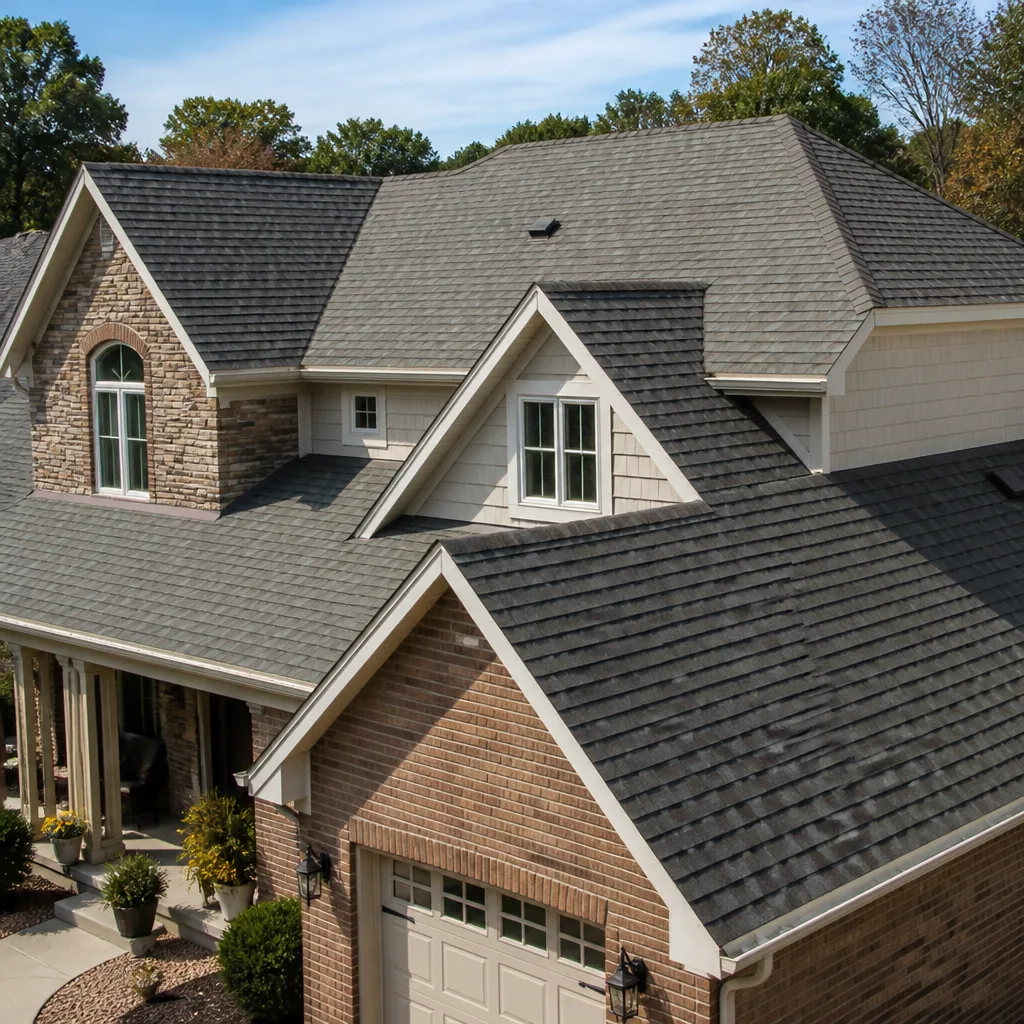 Owens Corning
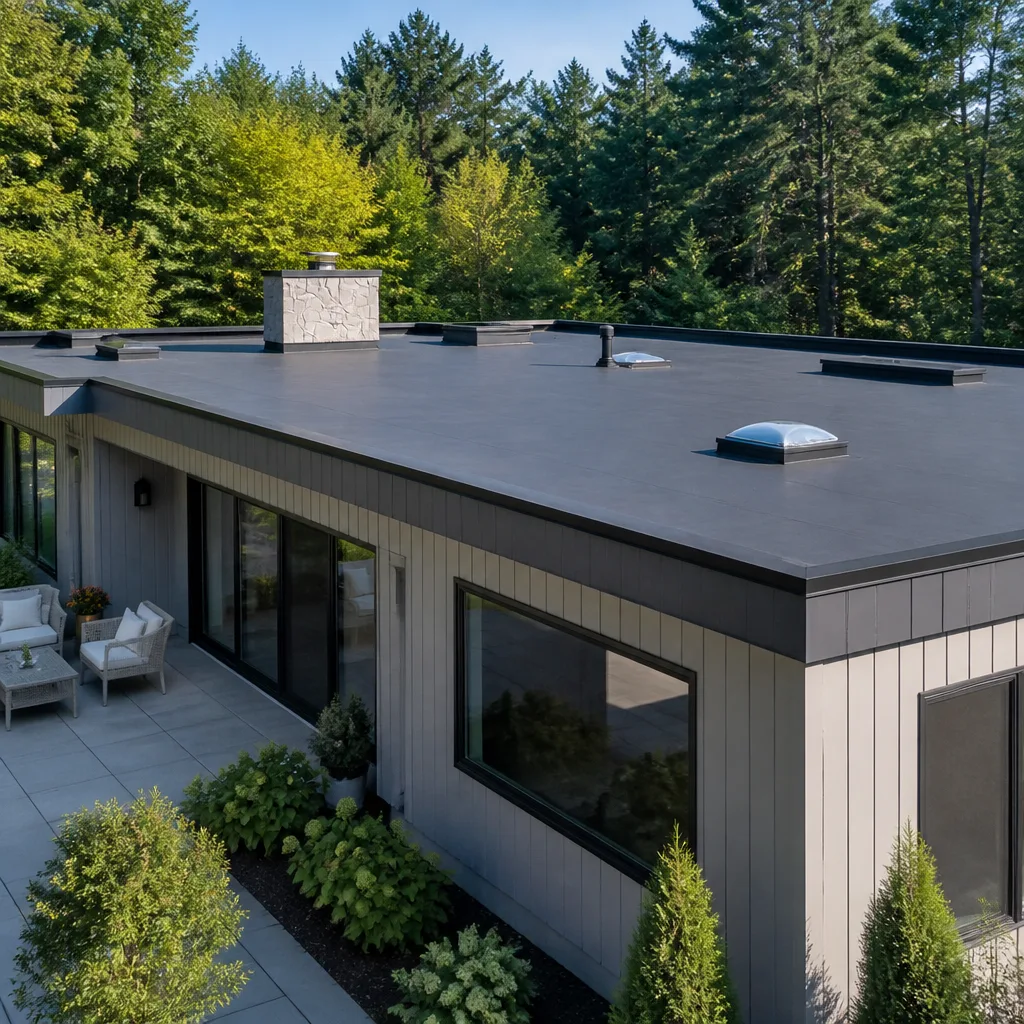 Flat & low-slope
Free roof inspection with deck photos before we talk money - GAF and Owens Corning certified installation
Roofing Emergency Preparedness Guide for Norwalk Homes
Here’s a statistic that surprises most Norwalk homeowners: the majority of roof insurance claims in Southern California are filed not after dramatic storm damage, but in the weeks following the first heavy rain of autumn, when hundreds of tiny leaks that developed quietly over the dry season all make themselves known at once. The roofs that fare best in that scramble aren’t necessarily the newest. They’re the ones whose owners can put their hands on a document proving when the roof was last inspected, what materials are on it, and what it looked like before the water started coming in. This guide will walk you through what a Norwalk-specific emergency preparedness plan actually looks like, from the paperwork you should gather this weekend to the phone calls you’ll want to have already made before the first Santa Ana warning of the season hits your phone.
We’re True North Roof Repair, a roofing-only contractor based in Norwalk. We’ve responded to enough emergency calls across this city to know exactly which gaps in preparation cost homeowners the most time, money, and sleep. This guide shares what we’ve learned.
Quick Answer
A roofing emergency preparedness plan for a Norwalk home comes down to three things: a documentation package you can access in under five minutes, a pre-established relationship with a roofing contractor who has already seen your roof, and a clear written protocol for what to do before, during, and after a Santa Ana wind event or heavy rain. The goal is to arrive at the moment of damage knowing your roof’s age, material, inspection history, and repair options, instead of discovering all of it for the first time while water is coming through the ceiling.
Roof emergency preparedness in Norwalk means having documentation, contacts, and a plan in place before the wind starts. Here’s what that looks like.
Styles & brands we work with
Table of Contents
- The Documentation Package Every Norwalk Homeowner Should Maintain
- Santa Ana Wind Event Protocol: Before, During, and the 72-Hour Window
- Emergency Tarping: What to Do, What to Avoid, and When to Stay Off the Roof
- Emergency Repairs vs. Storm-Chaser Solicitations: How to Tell the Difference
- Building a Pre-Event Relationship with a Roofing Contractor
- The Insurance Claim Playbook: How to Document Damage the Right Way
- Norwalk-Specific Risk Factors: What Our Climate Does to Roofs
- Seasonal Maintenance That Prevents Most Emergencies
The Documentation Package Every Norwalk Homeowner Should Maintain
When an insurance adjuster calls after roof damage, the first questions they ask are not about the storm. They ask about the roof’s age, its material, its last known condition, and any prior repairs. Homeowners who can answer those questions with documents move through the claims process measurably faster than those who can’t. Yet in our experience across Norwalk, fewer than half of the homeowners we meet can locate their roof’s basic paperwork within a week, let alone within the hours that matter during an active claim.
Here’s what your documentation package should contain, and where to find each piece if it wasn’t handed to you at purchase:
- Roof permit history. Los Angeles County requires permits for roof replacements and many repairs. Your home’s permit history is searchable through the County’s Building and Safety division. Request a copy of any roofing permits associated with your address. This tells you exactly when the roof was last replaced or substantially repaired, which is the single most important fact in any claim or repair decision.
- Material specifications. If you know your roof is asphalt shingle, that’s a start. But a claim goes smoother when you know the manufacturer (such as GAF, CertainTeed, or Owens Corning), the specific product line, and the color. This information is usually on the original contract if you were the one who replaced the roof. If you weren’t, a roofing contractor can often identify the material from a single shingle sample during a routine inspection.
- Warranty documentation. Many shingle manufacturers offer warranties that transfer to a second homeowner, but the warranty is only enforceable if you can produce the paperwork. Same for workmanship warranties from the installing contractor. If these documents are missing, a Roof Inspection in Norwalk can at least establish the roof’s current condition, which helps if you need to file a claim based on recent damage.
- Inspection records. If you’ve had the roof inspected, keep the written report. A dated inspection proves the roof’s condition at a specific point in time, which is tremendously useful when an insurer wants to attribute damage to a specific weather event. Without a prior inspection, every claim becomes an argument about whether the damage was pre-existing.
- Photographs of the roof in good condition. This is the easiest thing on this list to create and the one most homeowners overlook. Take dated photos of your roof twice a year, from multiple angles, on clear days. After a storm, you’ll have a baseline to compare against. Insurance adjusters love this kind of documentation because it removes ambiguity.
- Contractor contact information. If a previous owner had roof work done, the contractor’s name and phone number are worth tracking down. They may still have the original job file, including material receipts and scope of work, even years later.
Assembling this package takes an afternoon. We recommend doing it now, while the roof is dry and you’re not standing in a puddle. Store everything in a single folder, both physical and digital, and make sure at least one other adult in the household knows where it lives.
Santa Ana Wind Event Protocol: Before, During, and the 72-Hour Window
Santa Ana winds are the most common cause of sudden roofing emergencies in Norwalk. These offshore gusts arrive with 24 to 48 hours of advance warning, which is enough time to prepare if you have a protocol, and enough time to panic if you don’t. Wind events rip shingles loose, tear flashing away from penetrations like vents and chimneys, and launch branches from the mature trees that shade so many Norwalk neighborhoods.
Here is a step-by-step protocol that covers what to do before, during, and after a Santa Ana event:
- Before the wind arrives (24-48 hours out): Walk your yard and remove anything that could become airborne. This means patio furniture, potted plants, children’s toys, and especially anything light enough to lift but heavy enough to damage a shingle on impact. Trim any branch that overhangs your roof by less than three feet. Clean debris from valleys and gutters so water has a clear path if rain follows the wind. Take a full set of roof photographs while the sky is clear.
- The day before: Re-check the weather forecast and note the expected peak gust speed. Santa Ana events above 50 mph are the ones that most often cause roofing damage, though mature roofs can lose shingles at lower speeds if fasteners are already fatigued. Make sure your phone is charged and your documentation package is accessible. If you have a relationship with a roofing contractor, send them a quick note letting them know you’ll be watching the roof during the event.
- During the wind: Stay indoors and away from windows. Do not go outside to investigate loud noises, and do not attempt to climb onto the roof under any circumstances. Gusting wind makes ladder work genuinely dangerous, and there is nothing you can fix mid-event that won’t wait a few hours. If you hear something hit the roof, note the time and the approximate location from inside the house.
- Immediately after the wind dies down: Walk the perimeter of your home and photograph everything. Capture the roof line from every angle, even if you don’t see damage. Look for shingles in the yard, dents in vents or flashing, and any branch that’s now resting on the roof surface. Document it all. These photos are time-stamped evidence that becomes critical if you file a claim.
- Within 72 hours: Have a roofing contractor assess the roof. The 72-hour window is significant because insurers generally expect prompt mitigation. A policyholder who waits two weeks to address a wind-damaged roof may face a reduced payout if secondary water damage occurs in the interim. Your contractor’s written assessment, combined with your before-and-after photos, gives the adjuster a clear picture of what the wind actually did.
Santa Ana events in Norwalk are not freak occurrences. They happen most autumns, and the homes that handle them best are the ones whose owners treated the forecast as a planning trigger rather than a surprise.
Emergency Tarping: What to Do, What to Avoid, and When to Stay Off the Roof
When water is coming through the ceiling, the urge to fix it immediately is powerful. But emergency tarping is a job that can go wrong in ways that make the original damage worse. Here’s what we tell Norwalk homeowners when they call us mid-emergency.
First, understand what a tarp is for. A properly installed tarp keeps water out until permanent repairs can be scheduled. It is a temporary measure, not a repair. A tarp that’s installed incorrectly, with exposed nails or loose edges, will fail within days and may tear away entirely in the next wind event, turning a leak into a much larger opening. Nails driven through the tarp and into the roof deck create their own pathway for water if they aren’t sealed correctly. This is why we recommend a specific approach:
- Assess from the ground first. Walk around the house with binoculars. Identify where the damage appears to be. If you can see missing shingles or a puncture from the ground, you’ve got useful information. If you can’t see anything, don’t climb up to investigate. Water travels along roof decking and can enter the house many feet from the actual breach.
- Contain water inside the house. Place buckets under active drips. Move furniture and electronics out of the path. If the ceiling is bulging, poke a small hole at the center of the bulge to release pooled water before it spreads across the drywall and causes a full collapse. This is sometimes the single most valuable emergency action you can take from inside the house.
- Get a professional tarp on the roof. A roofing contractor has the right tarp weight, the right anchoring method, and the right safety equipment. Tarps installed by professionals are typically secured with wooden strapping and sealed fasteners that close the nail holes against water. This is the difference between a tarp that holds through a week of rain and one that shreds overnight.
- Stay off the roof if conditions are unsafe. Wet shingles are slippery. Evening light fades fast. Santa Ana winds may return. Steep pitches on some Norwalk homes make unsecured climbing genuinely life-threatening. No emergency is worth a fall from a roof. If you can’t safely wait for a contractor, a temporary interior measure, a bucket, and a call to a professional are the right moves.
When a roof is actively leaking, our team can often get a tarp in place the same day. But the most important thing you can do is call us before you attempt anything yourself. The damage you can cause with a ladder, a tarp, and a hammer in the middle of an emergency is avoidable.
Emergency Repairs vs. Storm-Chaser Solicitations: How to Tell the Difference
After any significant wind event in Southern California, out-of-town contractors appear in affected neighborhoods. They knock on doors, leave flyers, and sometimes offer to “inspect” the roof for free right then and there. Some of these operators are legitimate. Many are not. Norwalk homeowners need to know how to tell the difference, because the stakes, a roof repair done badly or priced predatorily, can cost tens of thousands of dollars to correct.
Here’s what legitimate emergency response looks like:
- The contractor has a verifiable local presence. A physical address you can visit, a license number you can check with the California Contractors State License Board, and a local phone number that connects to a human being. Not a cell phone that goes to voicemail forever.
- The contractor provides a written scope of work before any money changes hands. Written means written. Not spoken, not estimated, not “trust me, we’ll figure it out on the back end.” A line-item description of what will be done, what it will cost, and when it will be finished.
- The contractor doesn’t push for a full replacement before seeing the damage. We have seen homeowners in Norwalk urged to replace a roof that needed four square feet of repairs, by contractors who never actually climbed up to look at the roof. A legitimate response begins with an honest look at the actual condition. Our philosophy is straightforward: Roof Repair in Norwalk should be the scope when repair is enough, and replacement only when repair genuinely isn’t. Storm chasers tend to jump straight to the most expensive option.
- The contractor carries insurance. Not just licensing. Liability insurance and workers’ compensation, both of which protect you if something goes wrong on your property. Ask to see certificates. A legitimate contractor will send them without hesitation.
Here’s what predatory post-event behavior looks like:
- Cash-only pricing with no written contract.
- High-pressure tactics that demand a decision the same day, before you’ve had time to think or get a second opinion.
- Prices that are dramatically higher than what a local contractor quoted for the same work a month earlier.
- A refusal to provide any information you could verify independently, like a license number or references.
- Sudden “discounts” that expire in hours to create artificial urgency.
After a wind event, you’ll have maybe a day or two before the first door-knockers appear. Have a reputable contractor’s number already saved in your phone, and you won’t need to make a decision from a position of panic when they show up.
Building a Pre-Event Relationship with a Roofing Contractor
The single most valuable thing a Norwalk homeowner can do for their roof is to establish a relationship with a roofing contractor before an emergency ever happens. This isn’t a sales pitch. It’s practicality. When we’ve already inspected your roof and know its age, material, and vulnerable points, our response to your emergency call is dramatically faster and more precise than a contractor encountering your roof for the first time at the moment of damage.
What that relationship should include:
- A baseline inspection. One thorough Roof Inspection in Norwalk that establishes the roof’s current condition, documents its material type and age, and photographs its vulnerable areas. This becomes the “before” record that supports any future claim.
- A written assessment of the roof’s risk profile. Where is the flashing aging? Which slope takes the brunt of Santa Ana winds? Are there existing conditions that could become emergencies under stress? Knowing this ahead of time is like knowing where the foundation is soft before the earthquake.
- A clear scope recommendation. If the roof needs maintenance now, you want to know now, not when a leak has already started. If the roof is in good shape, you want that documented, so an insurer can’t claim the damage was pre-existing when the wind finally does take a shingle.
- A phone number you recognize. When the emergency happens, you call a person you’ve already met, not a number from a search result. The difference in response quality is hard to overstate.
As a roofing-only contractor, our entire operation is built around roofs. The technicians who inspect your roof before an event are the same crew that will respond if damage occurs. There’s no hand-off, no referral to a third party, and no learning curve when the pressure is on. We stock and install materials from seven major manufacturers, including CertainTeed, GAF, and Owens Corning, which means the emergency repair we make will match your existing roof rather than being whatever material happened to be on the truck.
True North Roof Repair offers this pre-event relationship as a normal part of how we operate. If you’re reading this before an emergency, you’re already ahead of most of your neighbors. An inspection now costs far less than an emergency response later.
The Insurance Claim Playbook: How to Document Damage the Right Way
Insurance claims for roof damage live and die on documentation. The adjuster who reviews your claim was not standing in your living room when the water came through. They will see your roof through the photographs you provide, the contractor’s written report, and their own assessment. The better your documentation, the more likely the claim is resolved in your favor without months of back-and-forth.
Here’s a step-by-step playbook we’ve seen work consistently for Norwalk homeowners:
- Photograph everything before anyone touches anything. Take wide shots that establish the whole roof, then close-ups of every area of visible damage. Use a camera with a date stamp, or ensure your phone’s metadata is correct. Take more photos than you think you need. Storage is free.
- Photograph the interior damage too. Water stains on ceilings, wet drywall, damaged insulation, soaked carpet. The interior damage is often what drives the claim’s value, because it proves the water entered the living space and caused losses beyond the roof itself.
- Call your insurance company before scheduling permanent repairs. Most policies require prompt notification. Ask whether they want to send an adjuster to inspect before repairs begin, or whether they’ll accept a contractor’s documentation after the fact. Follow their process exactly.
- Get a written repair estimate from a roofing contractor. This estimate should be line-item specific: what will be repaired, what materials will be used, what access or mobilization is required. A vague estimate slows the claim. A precise one moves it forward.
- Hold an emergency tarp in place until the adjuster has seen the damage. If you can’t get an adjuster out for a week, the tarp is your mitigation evidence. It shows you took reasonable steps to prevent further damage, which insurers expect.
- Keep a log of every call, every email, and every conversation. Note the date, the person you spoke with, and what was said. This is tedious, and it is also the document that resolves disputes when memories differ.
- Don’t sign anything from a contractor you didn’t choose. Post-event solicitors sometimes present “authorization forms” that are actually contracts. Read everything. If you’ve already got a relationship with a roofing contractor, none of this is a problem because you already know who to call.
The homeowners who navigate claims smoothly are the ones who treated documentation as a habit, not an emergency response. That’s the entire thesis of this guide.
Norwalk-Specific Risk Factors: What Our Climate Does to Roofs
Norwalk sits in a climate band that is unkind to roofing materials in specific, predictable ways. We don’t get the snow and ice that Northeastern homeowners battle, and we don’t get the hurricane season of the Gulf Coast. What we get is prolonged UV exposure, Santa Ana wind cycles, long dry spells followed by sudden heavy rain, and the occasional street-level flooding that comes when those rains overwhelm flat, aging drainage.
Here’s what that means for your roof specifically:
- UV degradation is the silent killer. Norwalk averages around 280 sunny days a year. That sunlight breaks down asphalt shingles gradually, drying out the oils that keep them flexible. By the time a shingle starts cracking or curling at the edges, the degradation has been underway for years. This is why age matters more than appearance, and why we recommend inspection even when a roof “looks fine” from the street.
- Thermal cycling stresses fasteners and flashing. Norwalk’s daily temperature swings, warm days and cool nights especially in the fall, cause roofing materials to expand and contract. Over time, this movement loosens nails, opens gaps around flashing, and creates the exact conditions that Santa Ana winds then exploit. A roof that has passed through ten summers of thermal cycling is not the same roof it was when installed.
- The first heavy rain after a long dry spell is the most dangerous moment. Southern California’s rainy season typically arrives after months of dry weather. The soil around foundations expands, the air pressure changes, and every tiny gap that accumulated during the dry months suddenly becomes a water entry point. In Norwalk, the emergency calls cluster in late fall and early winter for exactly this reason.
- Wind direction matters. Santa Ana winds come from the northeast, off the mountains. Roofs on the northeast-facing slope of a house take the direct hit, and that’s where we see the most missing shingles and exposed underlayment. If your home has a steep northeast exposure, you should be especially attentive to its condition going into the windy season.
- Tree cover is a double-edged sword. Many Norwalk neighborhoods have mature shade trees, and those trees do good work keeping homes cooler in summer. But overhanging branches scrape shingles in the wind, drop leaves that clog drainage, and can become airborne projectiles during Santa Ana events. The same tree that shades your house can be the source of your roofing emergency.
Understanding these risks doesn’t mean living in fear of them. It means recognizing that a roof in Norwalk has a predictable stress cycle, and that preparedness is mostly a matter of paying attention at the right moments of the year.
Seasonal Maintenance That Prevents Most Emergencies
Most roofing emergencies in Norwalk are the final chapter of a problem that had been quietly developing for months or years. The shingle that blew off in the Santa Ana wind was probably already loose. The leak that appeared in the first rain was probably already forming. Seasonal maintenance isn’t about preventing every possible failure. It’s about finding the developing problems early enough to fix them cheaply.
Here’s a practical maintenance rhythm that matches Norwalk’s climate:
Early fall, before the Santa Ana season starts:
- Have the roof inspected. This is the single most important maintenance action of the year, and the one that catches most of what’s about to go wrong. A Roof Inspection in Norwalk in September or October gives you time to schedule repairs before the wind and rain arrive.
- Clear all debris from the roof surface and valleys. Leaves and branches trap moisture against shingles and accelerate deterioration.
- Check flashing around chimneys, vents, and skylights. Loose or corroded flashing is one of the most common entry points for water during rain events.
- Trim any tree branch that overhangs the roof by less than three feet. Give yourself clearance so wind-driven branches can’t scrape or impact the surface.
After the first significant rain:
- Walk the interior of your home and check ceilings for any sign of water staining. The first rain is when most leaks announce themselves. Catch them early and the repair is often minor.
- Check the attic for daylight penetration or damp insulation. Either one tells you something about the roof’s condition that you won’t see from outside.
- Look at the roof from the ground for any shingles that have shifted or come loose. If you see something, get it addressed before the next rain, not after.
After each Santa Ana wind event:
- Do a perimeter walk, photographing the roof from every angle. Compare against your last set of photographs to identify changes.
- Check the yard for shingle fragments. A shingle in the yard means a bare spot on the roof.
- If you see damage, call a contractor immediately. The 72-hour window for insurance claims starts when the damage occurs, not when you discover it weeks later.
This rhythm takes a few hours total per year. Measured against the cost of a single emergency roof repair, it’s one of the highest-return investments a Norwalk homeowner can make in their property.
Common Mistakes to Avoid
- Waiting until the roof is leaking to call a contractor. By the time water is coming through the ceiling, the damage has been developing for a while. An inspection before the rainy season catches problems when they’re still cheap to fix.
- Climbing onto the roof during or immediately after a storm. Wet shingles, gusting wind, and low light create genuinely dangerous conditions. Falls from roofs kill and cripple people every year in Southern California. Nothing on your roof is worth that risk.
- Signing a contract with the first door-knocker after a wind event. Storm chasers count on urgency. A legitimate local contractor will give you a written scope, time to review it, and no pressure to decide on the spot. The best defense is a pre-existing relationship, so you never need to make a snap decision.
- Relying on a home inspection from when you purchased the house. That inspection was a snapshot of a moment, often taken years ago. Roofs in Norwalk weather age measurably every year. A current evaluation from a roofing specialist is the only basis for knowing where you stand.
- Filing an insurance claim without contractor documentation. An adjuster will assess the roof, but a written report from a roofing contractor who has already catalogued the damage adds weight to your claim and makes it harder for the insurer to argue pre-existing conditions.
- Using a tarp as a permanent solution. Tarps are temporary. A tarp that stays on a roof for months through additional wind and rain will fail, and the water damage that follows is often worse than the original event. Get permanent repairs scheduled quickly.
- Ignoring small issues because they look small. A missing shingle, a lifted flashing corner, a small water stain on the ceiling. These are the early warnings. Each one has a low individual cost to address and a high potential cost to ignore.
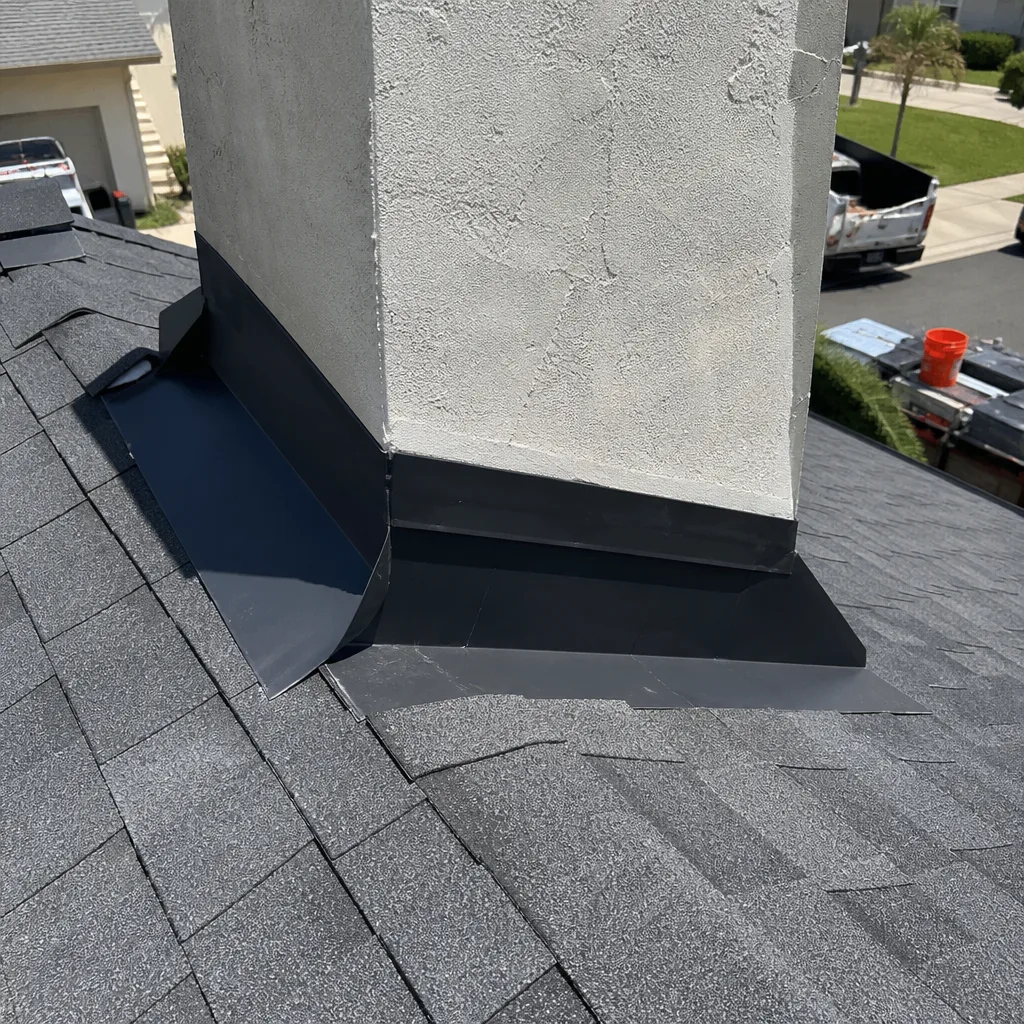
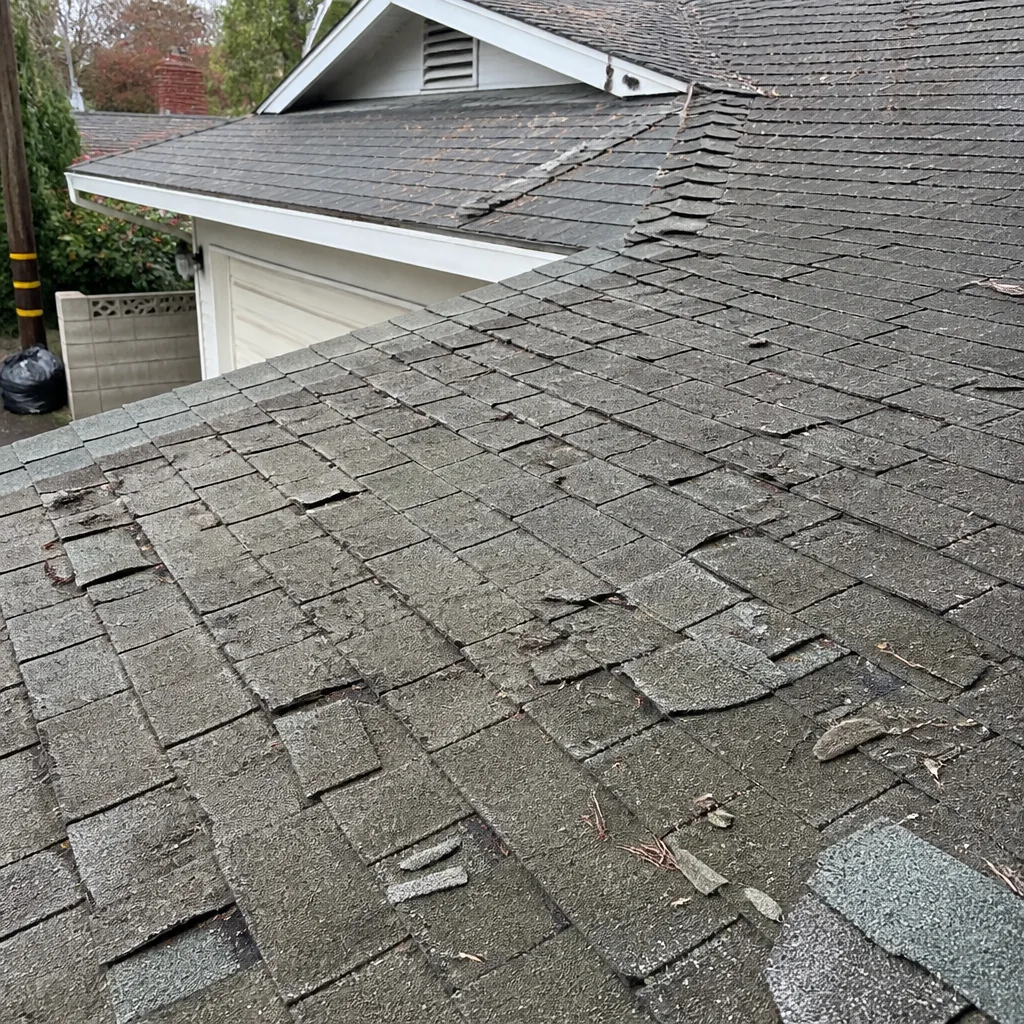
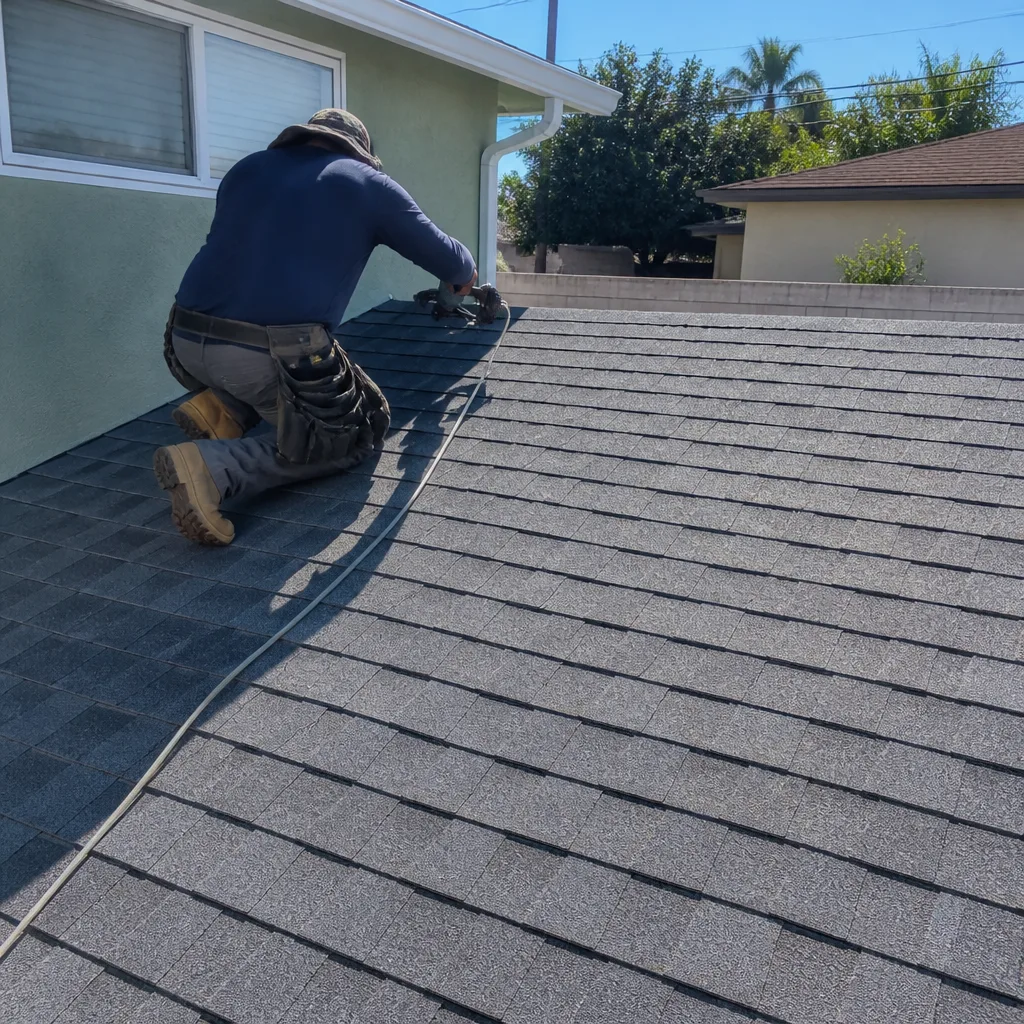
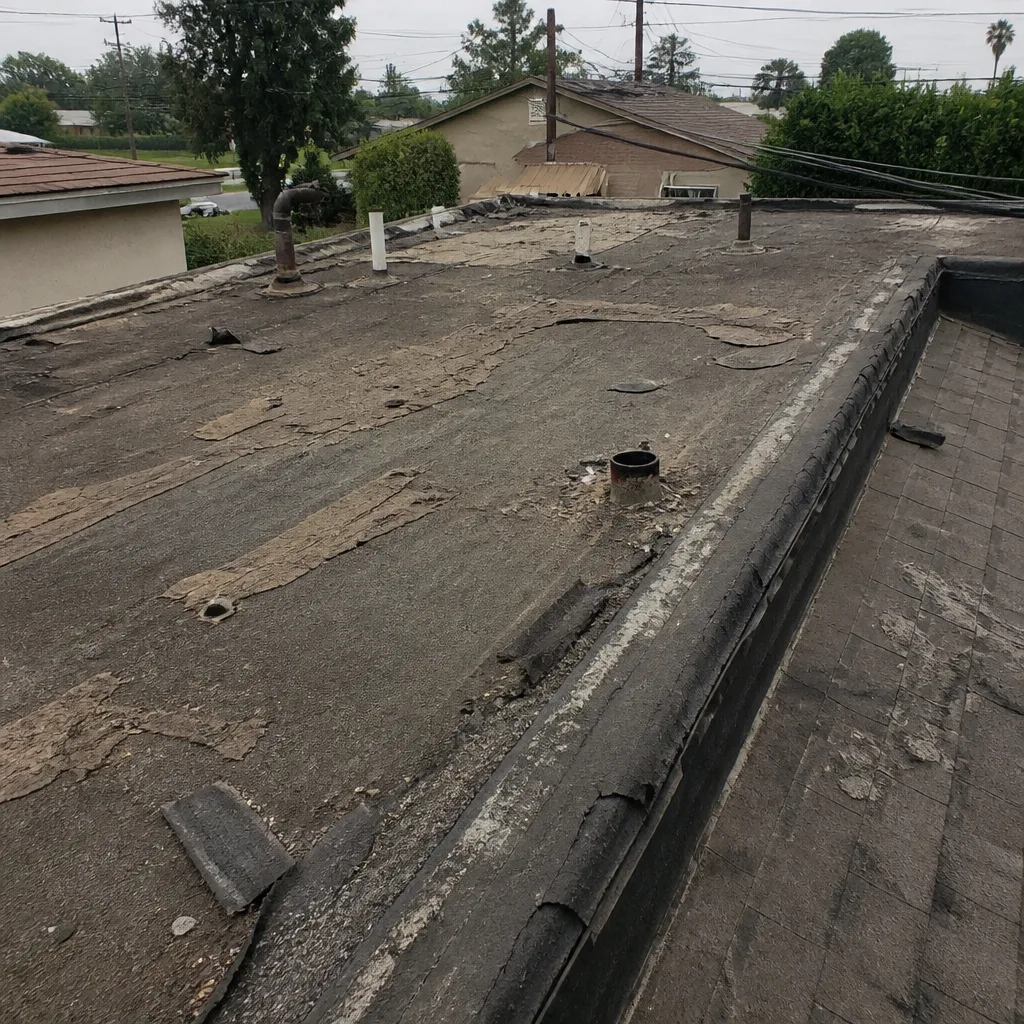
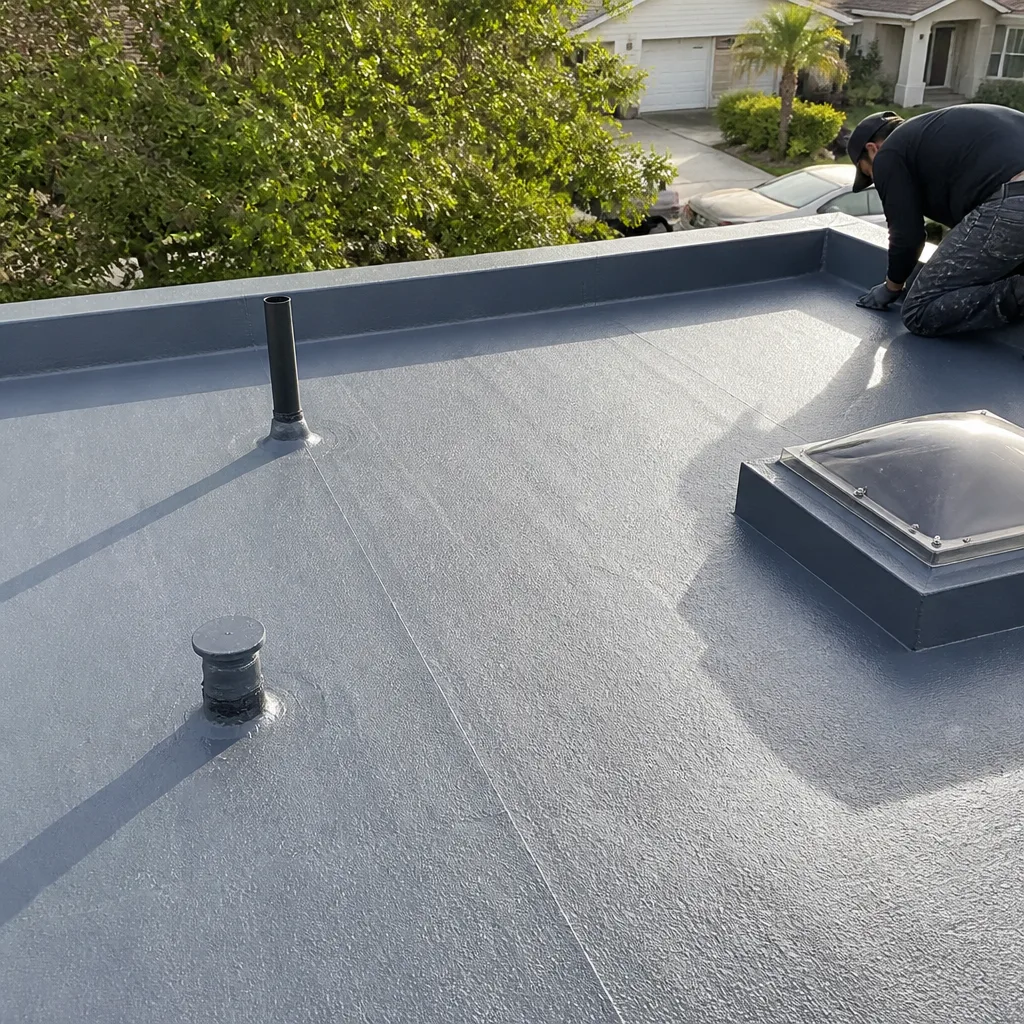
See the difference
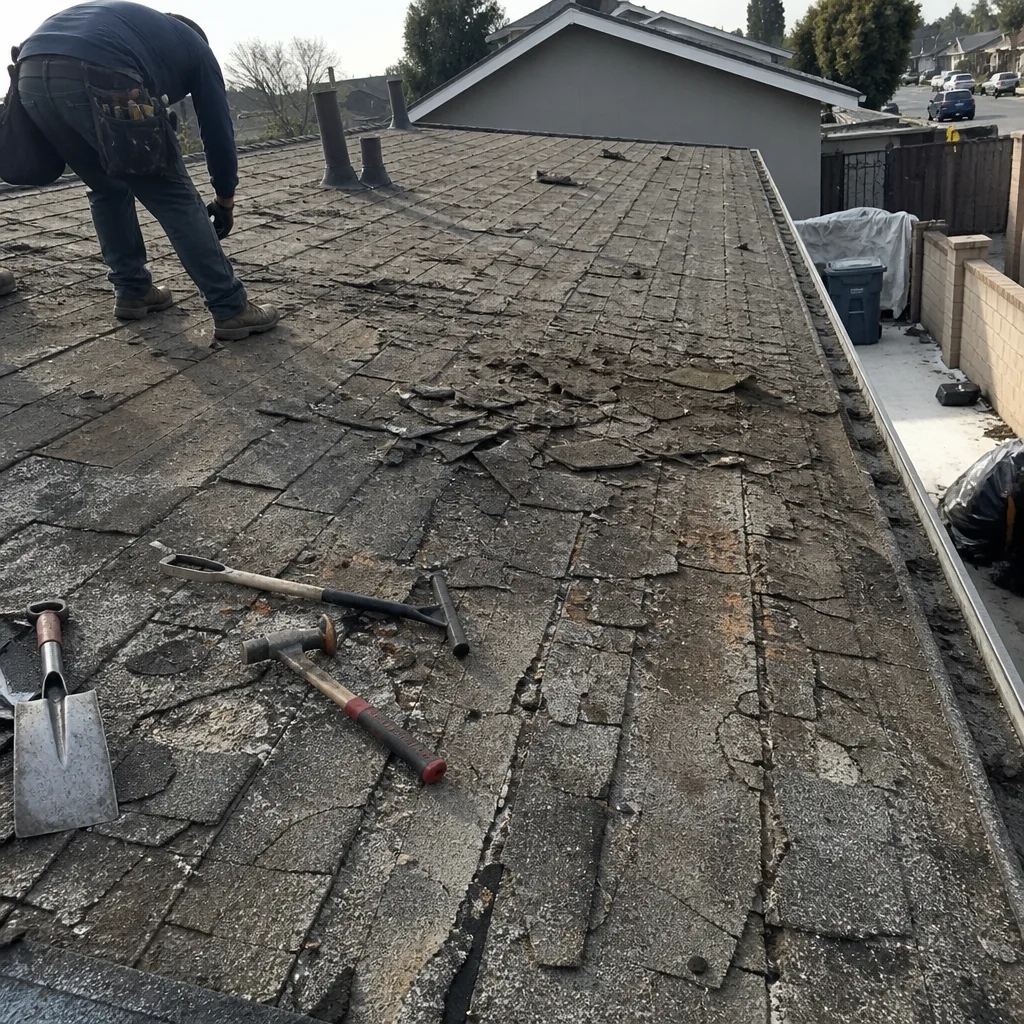 Before
 After
 Before
 After
 Before
 After
When to Call a Professional
Call a professional roofing contractor any time you see visible damage from the ground, any time water enters your living space, any time a storm passes through with winds high enough to shift shingles, and any time you’re uncertain about what you’re looking at on your roof. Most roofing emergencies in Norwalk escalate because a homeowner waited too long to make the call, hoping the problem would turn out to be minor. The cases where that hope was justified are rare enough to ignore.
If you’re seeing water stains on your ceiling, shingles in your yard, or daylight through your attic roof deck, don’t guess. True North Roof Repair offers free estimates in Norwalk, call (866) 617-1004, and we’ll help you understand exactly what you’re dealing with. As a roofing-only contractor, we work with materials from manufacturers like GAF, CertainTeed, and Tamko, which means the repair we recommend will be matched to your existing roof and your budget, not whatever we happen to have in the truck. If a Roof Replacement in Norwalk is genuinely the right call, we’ll tell you that too. If a repair is enough, that’s what we’ll recommend. The scope comes first, then the spending.
Frequently Asked Questions
Move anything valuable out of the water’s path, place a bucket under the active drip, and if the ceiling is bulging, poke a small hole at the center of the bulge to release pooled water before the drywall collapses across a wider area. Then call a roofing contractor and your insurance company, in that order. Containment is your job in the first hour, not the roof repair itself.
Ideally within 72 hours. Insurance policies generally expect prompt mitigation, and the longer damaged areas remain exposed, the greater the risk of secondary water damage that may reduce your payout. Photograph everything first, get a tarp on any exposed areas, and schedule a professional assessment as soon as possible.
It’s possible, but it’s usually not the right call. A tarp installed with exposed nails or loose edges can create new leak paths and tear away in the next wind. And climbing onto a wet or steep roof in emergency conditions carries serious injury risk. Call a professional if you can. If water is actively entering the house and you can’t get help immediately, focus on interior containment until a contractor arrives.
The honest answer is that it depends entirely on the scope of the damage. A small flashing repair might run a few hundred dollars. A large section of wind-damaged shingles will cost more. The way to avoid overspending is to get a written, line-item estimate before any work begins. That’s exactly what we provide. Call (866) 617-1004 for an exact quote, estimates are free.
Most standard California homeowners policies cover wind damage, but the specifics depend on your policy, your deductible, and how well you’ve documented the damage. Insurers will want to see that the damage was caused by a specific event and that you took reasonable steps to mitigate it afterward. A dated contractor report plus your own time-stamped photographs are the strongest support for your claim.
The only reliable way to know is to have a roofing specialist assess the roof’s condition against its age and material type. Some roofs have decades of life left and need only a targeted repair. Others are near the end of their service life and will continue failing in new places until they’re replaced. A repair-first philosophy means confirming the scope before recommending the solution. We’d rather tell you the honest answer than sell you a roof you don’t need.
Because roofing is a specialized trade, and the difference in depth of experience matters when your home is exposed to wind and rain. A roofing-only contractor has worked on thousands of roofs, not a few dozen between kitchen remodels. Every technician, tool, and process is built around roof systems specifically. That focus shows up in the quality of the diagnosis and the quality of the repair.
The Bottom Line
Roofing emergencies in Norwalk are not random events. They follow predictable seasonal patterns, develop from identifiable vulnerabilities, and produce better outcomes for homeowners who prepared before the first gust of wind arrived. The preparation isn’t complicated: assemble your documentation package, have a professional inspection establish your roof’s baseline condition, and build a relationship with a contractor you’d trust in an emergency. When the Santa Ana winds come, as they will, you’ll be making decisions from a position of knowledge rather than panic.
True North Roof Repair is a roofing-only contractor serving Norwalk with the full spectrum of roof services, from Roof Inspection in Norwalk through Roof Repair in Norwalk and Roof Replacement in Norwalk. We work with seven major material brands, including GAF, CertainTeed, and Boral, so your repair or replacement is matched to the right product for your home and your budget. If you’d like to put your roof on a path toward preparedness, call (866) 617-1004 to schedule your free estimate. The best time to prepare for a roofing emergency is before it happens. The second-best time is today.
Written by the team at True North Roof Repair, serving Norwalk since 2016. True North Roof Repair home