Last updated October 31, 2026
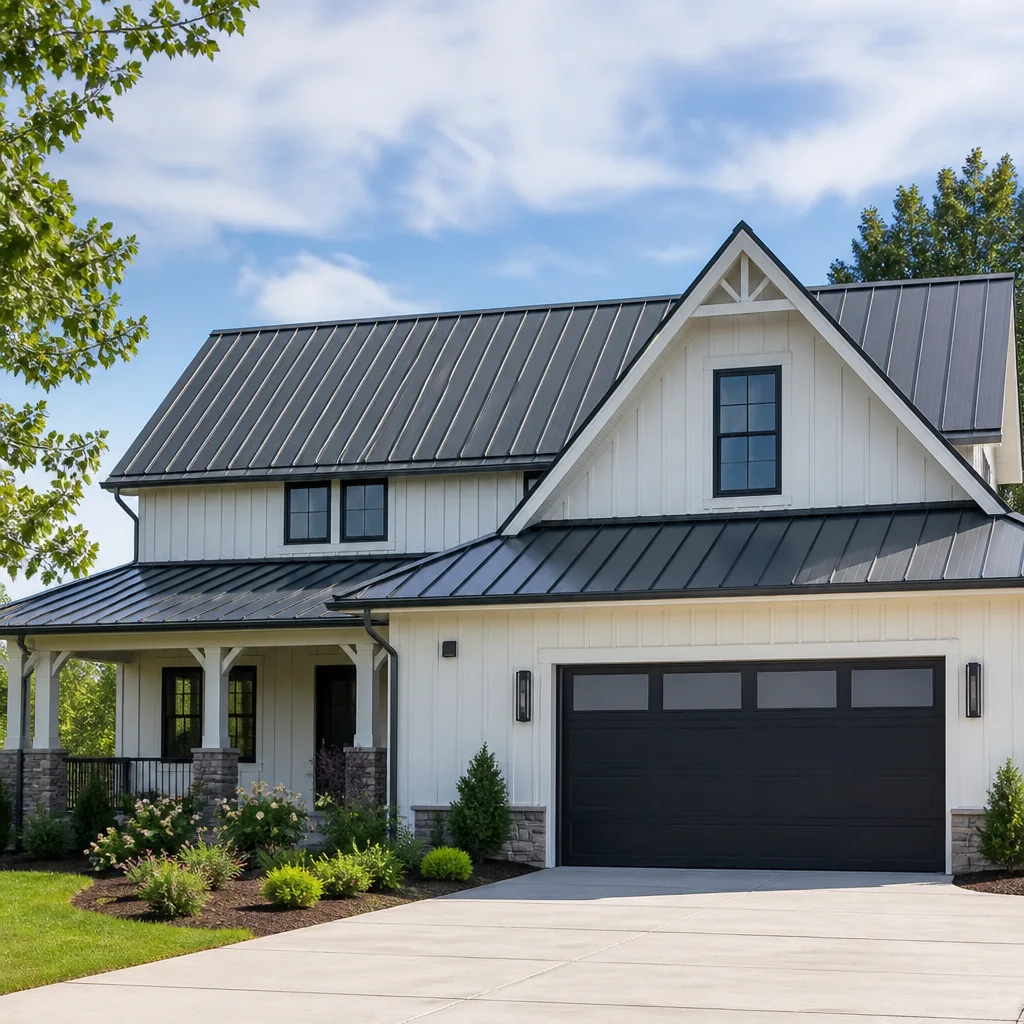 Metal roofing
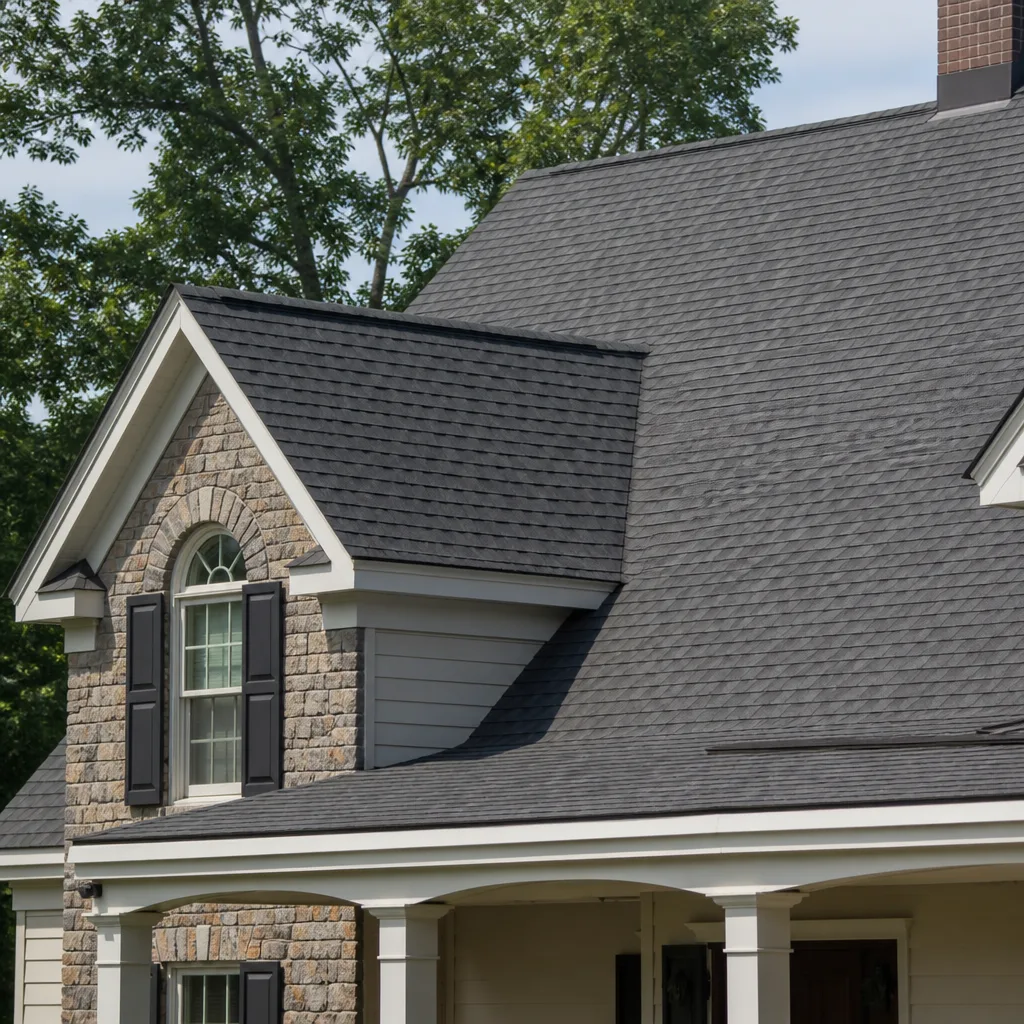 Architectural shingles
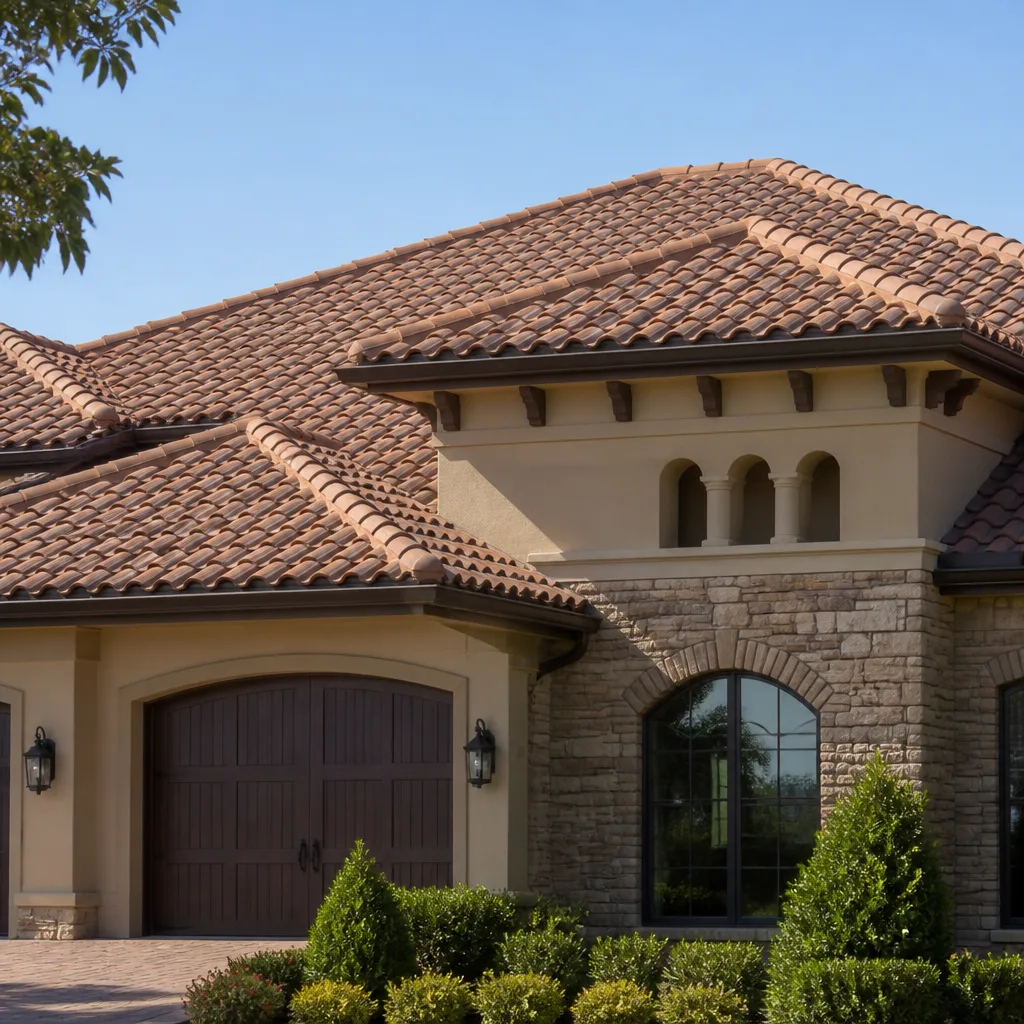 Tile roofing
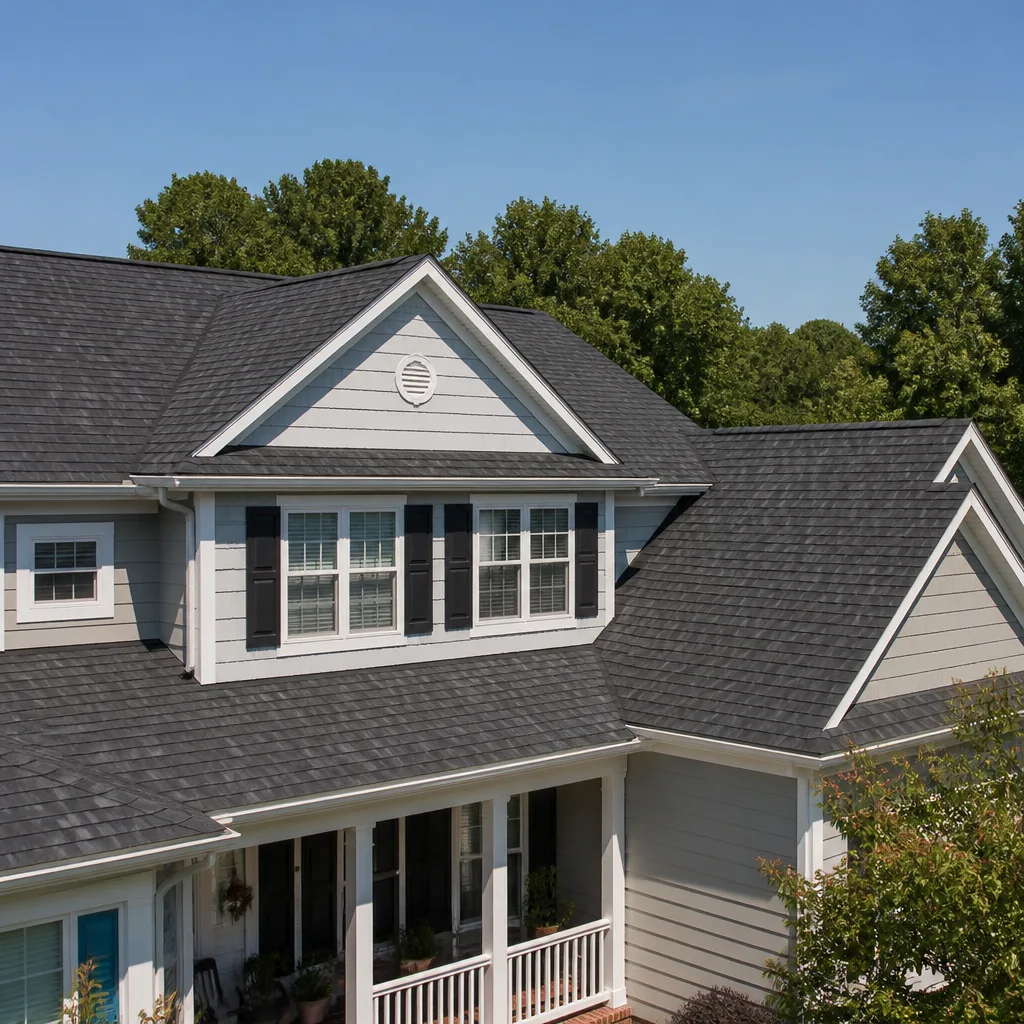 GAF
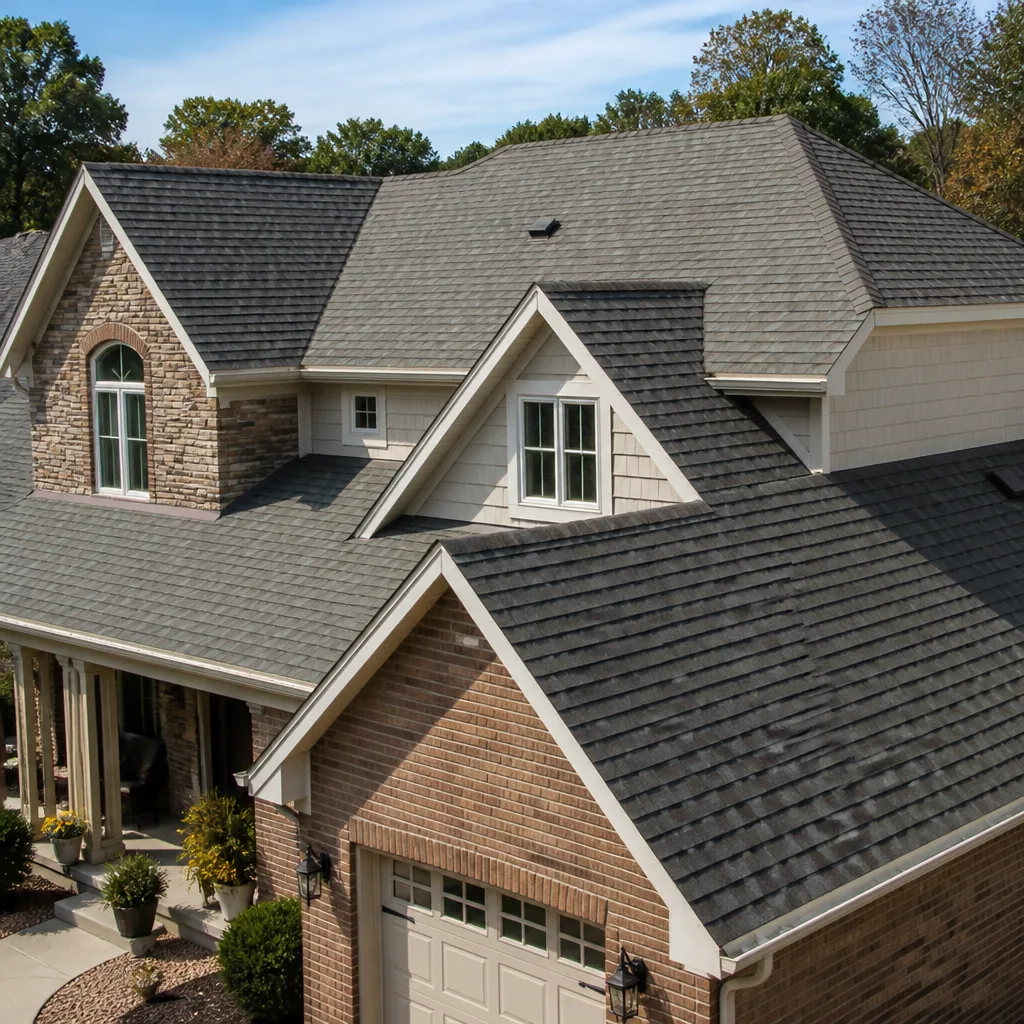 Owens Corning
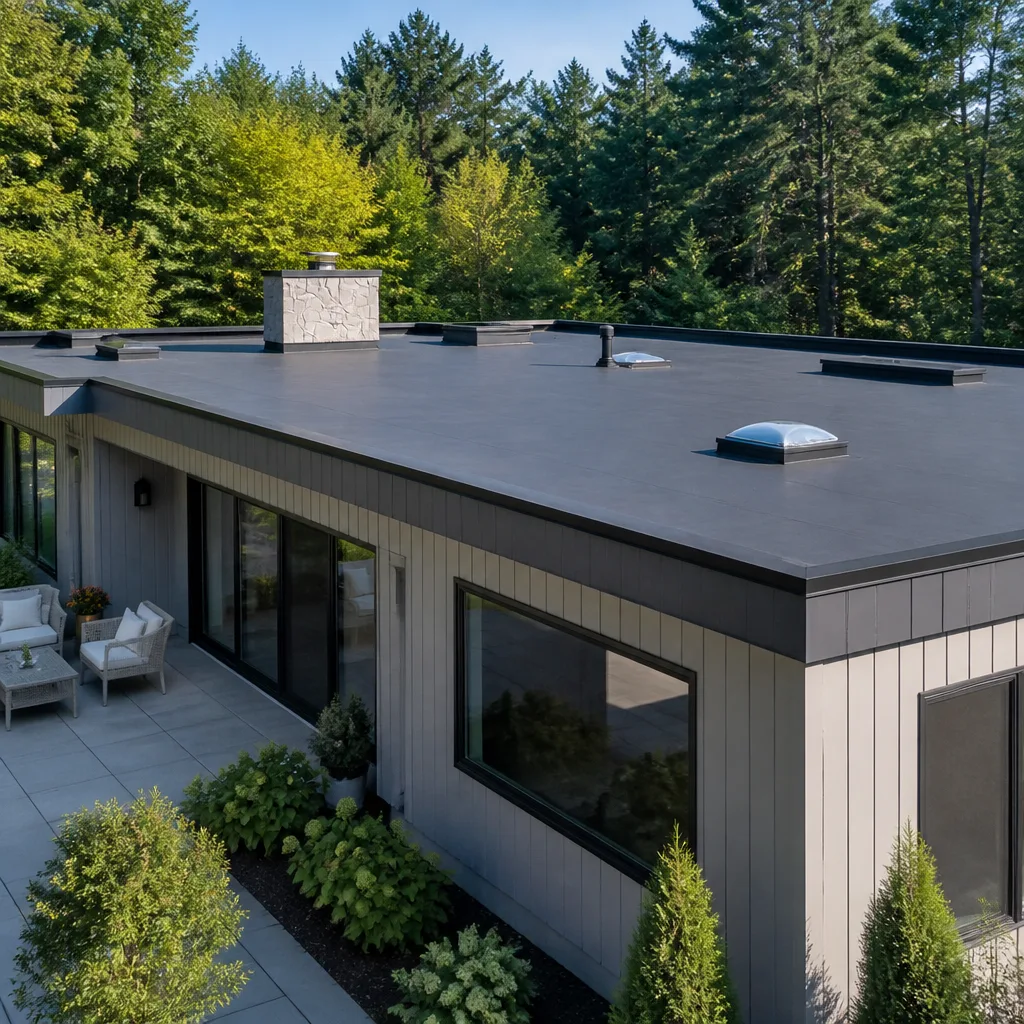 Flat & low-slope
Free roof inspection with deck photos before we talk money - GAF and Owens Corning certified installation
Roofing Cost Breakdown: The Norwalk Homeowner’s Reference for 2026
Two roofing quotes in Norwalk can be $4,000 apart and both be legitimate bids for the same house. The difference is rarely profit margin. It’s scope. One quote assumes your roof deck is sound, includes permit fees, and specifies a mid-grade underlayment. The other assumes the deck will need partial replacement (usually true on homes built before 1990), bundles disposal at a guaranteed rate, and upgrades the underlayment because your roof has a 2/12 slope. Both numbers are honest. Only one reflects what the job will actually cost when the crew starts pulling shingles. This guide breaks down where every dollar in a Norwalk roofing estimate goes: materials, labor, permits, disposal, and the variables that shift each line item. By the end, you’ll know how to compare proposals on equal terms and stop mistaking the cheapest bid for the best value.
Styles & brands we work with
Quick Answer
Roofing costs in Norwalk, CA in 2026 typically run $9,800 to $22,000 for a full replacement on a standard 1,100 to 1,700 square foot single-story home, with most falling around $13,500. That range reflects real differences in material tier, roof slope, deck condition, and permit scope, not vague contractor markups. Understanding the line-item breakdown below is what lets you evaluate whether a quote reflects the right scope for your roof rather than just the lowest number.
Table of Contents
- The Tear-Off and Deck Inspection: The Line Item That Changes Everything
- Underlayment Grade: The $1,500 Decision Hiding Inside Every Quote
- Material Costs by Brand and Tier: What You’re Actually Paying For
- Labor Rates and Certification Levels in Norwalk
- Norwalk and LA County Permits, Disposal, and the Fees Nobody Quotes Up Front
- The Real Cost of Deferred Repair vs. Replacement
- How to Compare Quotes on Equal Terms: A Line-by-Line Method
- Common Mistakes to Avoid
- When to Call a Professional
- Frequently Asked Questions
- The Bottom Line
The Tear-Off and Deck Inspection: The Line Item That Changes Everything
Every re-roof starts with removing the existing material. In Norwalk, where many homes still carry original composition shingles from the 1970s and 80s, tear-off is never optional. A single layer of old shingles weighs about 2.5 tons on a 1,400 square foot roof. Removing it costs $1.25 to $2.00 per square foot depending on roof pitch and access, which lands between $1,750 and $2,800 on a standard Norwalk ranch. Two layers nearly double that: you’re paying for the extra labor, the extra dump weight, and the crew’s time hauling material off a roof that’s now structurally heavier than it was designed to be.
Here’s the part most estimates gloss over: once the shingles come off, the roof deck is exposed. And until it’s exposed, nobody knows what condition it’s in. Norwalk homes built between 1950 and 1985 frequently have 1/2-inch plywood or even spaced-board decking. If there’s water staining, delamination, or rot around the flashing points, the deck must be replaced to meet LA County building code before new underlayment goes down. Code-compliant roof decking in Norwalk needs to be solid sheathing, typically 1/2-inch CDX plywood or OSB, and the county requires replacement of any section that can’t hold a fastener.
A responsible quote treats deck replacement as an allowance, not a guess. We usually budget $3.50 to $5.50 per square foot for deck replacement and sticker it as a contingency line: “up to X square feet at $Y rate.” A quote that assumes your deck is perfect is not necessarily cheating you. But when the crew tears off and finds three sheets of rotted plywood along the eave line where the old gutters overflowed for years, it becomes a change order. That’s how a $13,000 bid becomes $15,500. The honest estimate told you about it up front. That is the exact situation that separates a Roof Inspection in Norwalk that looks at the attic and underlayment before quoting from one that quotes sight unseen.
- Tear-off, single layer (1,400 sq ft roof, walkable pitch): $1,750 – $2,800
- Tear-off, double layer: $3,500 – $5,600 (some Norwalk homes have three)
- Deck replacement per sheet (4×8 panel installed): $95 – $145
- Typical deck contingency on a Norwalk ranch built before 1985: $1,200 – $2,400
- Cost to skip the contingency and get surprised mid-job: the same money, plus a day of crew time and a stressed homeowner
When we quote a full replacement, we include a deck allowance in writing. When a homeowner tells us a competitor’s quote didn’t have one, our standard advice is this: ask what happens if the deck fails inspection. If the answer is “we’ll handle it then,” you don’t have a quote, you have a starting point.
Underlayment Grade: The $1,500 Decision Hiding Inside Every Quote
Underlayment is the waterproofing layer that sits between the deck and the shingles. It’s the last line of defense when wind-driven rain gets under shingles or a shingle blows off entirely. Most homeowners never think about it until a leak appears. Every Norwalk roofer has a default underlayment spec. Yours determines about $1,200 to $1,800 of your total bid.
There are three grades you’ll see on Norwalk proposals. The entry level is 15-pound asphalt-saturated felt, which was the standard for decades and still meets code for steep-slope composition roofs. It costs about $9 to $12 per 100 square feet installed. The mid-grade is 30-pound felt or a synthetic equivalent, which runs $18 to $28 per square. The top tier is a premium synthetic, like those offered through GAF or CertainTeed systems, at $35 to $55 per square. On a 1,400 square foot roof, that’s the difference between a $350 felt job and a $770 premium synthetic job, plus labor differences that can push it past $1,500 total.
What makes the decision geographic is Norwalk’s microclimate. We’re inland from the coast but still get marine-layer mornings, and we sit in the LA Basin smog belt where UV breaks down asphalt felt faster than the manufacturer’s national average assumes. If your roof has a low slope (under 4/12), code actually requires a different approach: self-adhered ice-and-water shield in the valleys and eaves, not just felt. LA County adopts the California Residential Code and Title 24, which has gotten stricter about underlayment on low-slope roofs since the 2020 code cycle. Norwalk has plenty of 1950s and 60s homes with 2/12 and 3/12 pitches where this requirement kicks in. A quote that specs 15-pound felt on a 3/12 roof is either ignoring code or quoting the wrong material. Neither is acceptable.
- Entry-level felt on a standard Norwalk ranch: $350 – $600
- 30-pound or mid-grade synthetic: $700 – $1,100
- Premium synthetic (GAF, CertainTeed, Owens Corning systems): $1,200 – $1,800
- Self-adhered ice-and-water shield requirements on low-slope sections: adds $2.50 – $4.00 per square foot in those areas
Our standard recommendation for Norwalk homes is a mid-grade synthetic unless the roof is low-slope or the homeowner is buying a manufacturer’s full system warranty, in which case the premium underlayment is often required anyway. The important thing is that the quote tells you what you’re getting. “Underlayment included” is not a material spec. Ask for the name of the product and its roll weight.
Material Costs by Brand and Tier: What You’re Actually Paying For
Shingles are the visible surface of your roofing budget and the easiest line item to compare between quotes. But they’re also the most deceptive. Two contractors can both write “architectural shingle” on a proposal and be installing materials with a 15-year difference in expected service life. In Norwalk’s heat and UV exposure, that difference matters more than in most of the country.
There are three broad tiers in 2026 pricing. Three-tab shingles, the flat-looking asphalt strips that were standard for half a century, are now the budget option. They’re $95 to $125 per square (100 square feet) for materials and rarely make sense on a home you plan to keep. Architectural or dimensional shingles are the mid tier and the most common choice for Norwalk homes: $135 to $185 per square for the shingle stock alone. Premium designer and impact-rated shingles run $200 to $300 per square. On a 1,400 square foot roof, you’re looking at a material-only spread of roughly $1,300 for three-tab, $2,000 to $2,600 for architectural, and $2,800 to $4,200 for premium.
The brand question is where Norwalk homeowners get genuinely useful leverage. A contractor locked into one manufacturer has to sell you that manufacturer’s product at whatever tier fits the number. A contractor who works across multiple brands can actually match the material to your conditions and budget, because the choice isn’t a sales pitch, it’s an inventory decision. We work with seven major manufacturers: GAF, CertainTeed, Owens Corning, IKO, Atlas, Tamko, and Boral. Each has strengths. Boral’s concrete and composite tile products handle Norwalk heat without the embrittlement that asphalt shingles eventually face. CertainTeed’s architectural lines tend to win on wind performance, which matters on the exposed north-south ridgelines throughout the San Gabriel Valley edge of Norwalk. Owens Corning’s Duration series has a strong following for color retention under direct sun. None of this means you need to become a materials engineer. It means your contractor should be able to say why they’re recommending a specific product for your specific roof instead of quoting whatever’s in the warehouse.
Manufacturer certification is the other material-cost variable most homeowners never hear about. GAF Master Elite, CertainTeed SELECT ShingleMaster, and Owens Corning Roofing Preferred status all require contractors to meet installation volume thresholds and pass manufacturer audits. That certification unlocks enhanced warranty options: longer workmanship coverage, sometimes the ability to upgrade from a standard to a lifetime non-prorated material warranty, and in GAF’s case, access to the Golden Pledge warranty that includes workmanship coverage from the manufacturer rather than the contractor. The catch: certified contractors sometimes charge $300 to $800 more per job because they’re installing to tighter manufacturer specs, and that spec alignment costs labor time. It’s not a scam. It’s buying a warranty that will actually respond if the installation fails, rather than one that points back to a contractor who may or may not answer the phone in year nine.
| Tier | Material Cost per Square (100 sq ft) | Installed Cost per Square | Typical Norwalk Home (1,400 sq ft) |
|---|---|---|---|
| Three-tab | $95 – $125 | $280 – $350 | $3,900 – $4,900 |
| Architectural / Dimensional | $135 – $185 | $350 – $475 | $4,900 – $6,650 |
| Premium Designer / Impact-Rated | $200 – $300 | $450 – $600 | $6,300 – $8,400 |
Installed numbers include labor, fasteners, flashing, and standard waste. Your actual quote will move from these ranges based on slope, tear-off count, and deck condition.
Labor Rates and Certification Levels in Norwalk
Labor is the single largest line item on any Norwalk roofing quote: 45 to 60 percent of the total job. In 2026, residential roofing labor in LA County runs $80 to $160 per hour for a standard crew, or more commonly, $180 to $260 per square installed across all labor categories. A roofing crew of four to six covers a standard Norwalk home in two to four days for a full replacement, less for repair work.
What you’re paying for when labor cost per square inches upward is usually one of three things. First, roof complexity: steep pitches (7/12 and above), cut-up rooflines with valleys and crickets, and tile-to-shingle transitions all take more time per square. Second, the crew’s certification burden: installers who’ve passed manufacturer training and maintain that status cost their employer more, which passes through at $40 to $80 per square. Third, legitimate overhead: liability insurance, workers’ compensation (California’s roofing workers’ comp rates are among the highest in the nation), and the cost of maintaining a crew exclusively trained on roofing rather than split across trades. A bid that’s dramatically below market labor rates in Norwalk is either a crew that isn’t paying workers’ comp, a contractor who’s going to cut corners on the unseen materials, or a bid designed to get an eager signature.
Here’s what to look for on the labor line. It should be scoped, not just priced: number of squares, tear-off layers assumed, deck replacement allowance stated separately, and any access limitations called out. A two-story Norwalk home with a steep tile roof and limited staging space should cost more in labor than a single-story ranch with a walkable 4/12 pitch. If the quotes you’re comparing price labor identically on those two houses, one of the contractors is padding or one is underestimating. Either way, pay attention.
In our experience, the homeowners who get the best labor value in Norwalk are the ones who get a Roof Repair in Norwalk or full replacement scope from a contractor who already knows the local housing stock. Norwalk’s roof inventory is specific: miles of 1950s and 60s ranches with 4/12 and 5/12 comp shingle roofs, a concentration of tile roofs in the newer subdivisions, and an aging collection of flat and low-slope sections on mid-century homes that need different fastening and underlayment approaches. A crew that’s done forty tear-offs in Norwalk this year is not guessing at your labor hours. A general contractor who does two roofs a season is, and that guess shows up in the contingency.
Norwalk and LA County Permits, Disposal, and the Fees Nobody Quotes Up Front
Roof replacement in Norwalk requires a building permit, and that permit costs money. As of the 2026 cycle, the City of Norwalk Building Division permit fee for a reroof on a standard single-family home typically ranges from $350 to $700 depending on the project valuation tier. LA County adds inspection fees. These are pass-through costs on a legit proposal. If your quote doesn’t mention permits at all, that’s a red flag: the contractor either plans to skip the permit (illegal, and a problem when you sell the home) or plans to bill it after the fact. Neither is acceptable.
Permits matter in Norwalk beyond the legal compliance. The city’s building inspectors check two things on roof replacements: structural nailing (that your roof can withstand LA County’s seismic and wind requirements) and underlayment compliance under Title 24. Those inspections exist to protect the homeowner from the exact shortcuts that make a cheap quote cheap. A contractor who is comfortable working with the Norwalk Building Division and scheduling inspections as part of the job is a contractor who expects to pass them.
Disposal is the fee most homeowners are surprised by. A full tear-off on a 1,400 square foot roof generates 4 to 6 tons of debris. Dump fees in LA County have been climbing since the Puente Hills landfill cut back intake in the early 2020s, and every ton now costs contractors $85 to $140 to drop at a transfer station, depending on material classification (asphalt shingles, tile, or mixed construction debris). Add hauling and fuel, and disposal in Norwalk typically lands between $650 and $1,100 on a full replacement. Some contractors bury this in the tear-off line; the better ones list it as its own line item. You’re paying it either way. The only question is whether you can see it and verify it doesn’t change after the fact.
- Norwalk building permit for a standard reroof: $350 – $700 (pass-through)
- LA County inspection fees: $150 – $300
- Disposal, single-layer tear-off on a standard ranch: $650 – $1,100
- Disposal, tile tear-off (heavier and classified differently): $1,200 – $1,800
Any quote that leaves these fees off is not quoting the total cost. That’s not always malicious. Some contractors genuinely want to present a lower number and address the rest “when it comes up.” It always comes up. Ask for an all-in total that includes permit, disposal, and any contingency line the contractor wants you to authorize in advance.
The Real Cost of Deferred Repair vs. Replacement
Every roof reaches a decision point: a leak in a discrete area, a patch of missing shingles, or flashing that’s begun to pull away. The quote to fix it runs $450 to $1,600 depending on scope. The quote to replace the whole roof runs $10,000 and up. It’s not hard to see why homeowners choose the repair. And sometimes the repair is the right call. A 12-year-old roof with one damaged valley flashing should be repaired. A 22-year-old roof with failing flashing in three places is a different problem.
Here’s the math on a typical Norwalk ranch. You repair for $1,400. Twelve months later, another leak opens near the chimney. $950. Eight months after that, water staining appears in the hallway ceiling below a worn section of the roof. $1,800 plus a drywall patch. Within three years, you’ve spent $4,000 to $5,000 on repairs, the roof is now definitively at the end of its service life, and the replacement costs the same $13,000 it would have three years earlier. You’ve spent the cost of a cheap used car to buy a few more years out of a roof that needed replacing all along.
The alternative framing: what does a correct-scope repair buy you? If an honest Roof Inspection in Norwalk determines the deck is dry, the shingles have remaining service life, and the failure is localized, a $900 repair buys you another 4 to 6 years. That’s $225 a year, a rational cost. The key word is honest. A contractor who sees a replaceable roof and says “sure, let’s just patch it” is not doing you a favor; they’re collecting a series of small checks on a roof that should be replaced. A contractor who sees a repairable roof and quotes a full replacement is worse. Which brings us to the actual skill here: getting a diagnosis before getting a quote.
Norwalk’s climate makes this calculus harsher than the rest of the country. We get 280+ days of sun a year, and UV radiation here breaks down asphalt shingle granules faster than manufacturer warranties assume. A 30-year shingle on a Norwalk roof with full afternoon sun exposure typically delivers 22 to 25 years of useful life. If your roof is at year 20 and the leaks have started, the repair-or-replace decision is usually replace. If the roof is at year 10, repair is almost always the right scope. The skill is in knowing which one your roof is before you spend the first dollar.
How to Compare Quotes on Equal Terms: A Line-by-Line Method
The reason roofing quotes are hard to compare is that no two contractors format them the same way. One itemizes everything. Another gives a lump sum with a one-paragraph scope. A third gives a detailed scope but buries the deck allowance in “discretionary extras.” Comparing the totals is meaningless. Comparing the line items is everything.
Here is a step-by-step method for evaluating any Norwalk roofing proposal, which we give to every homeowner who asks us to explain our pricing:
- Start with totals and write them down. If you have three quotes at $11,200, $13,800, and $15,400, that’s your range. But do not rank them yet.
- Check for permit and disposal lines. If any quote lacks them, add the amount you’d realistically pay ($350 – $700 for permit, $650 – $1,100 for disposal) to that quote’s total before comparing.
- Verify the tear-off scope. Does each quote assume one layer, two layers, or tile? A quote priced for a one-layer tear-off on a house with two layers is understated by $1,700 – $3,000 before work starts.
- Find the deck language. Is there a written allowance for deck replacement? If not, ask what happens when rotted sections are found. Write the answer in the margin of the quote. Verbal commitments are worth what verbal commitments have always been worth.
- Look at the underlayment spec. What product is named, what weight or class, and does it comply with your roof’s slope under Title 24? A quote that says “felt” without a weight is a placeholder.
- Check the material tier honestly. Three-tab, architectural, or premium? What brand? What warranty does that combination qualify for if installed by this contractor and registered?
- Ask for the all-in, no-change-order total. Tell each contractor: “I want a number that covers permits, disposal, deck replacement up to X sheets, and the material listed. What’s the most this job will cost?” The contractor who gives a confident number with the contingency defined is who you want working on your house.
This process takes 20 minutes per quote and will usually reveal more than the dollar figure. It reveals whether the contractor actually inspected your roof or guessed at it. In our experience, Norwalk homeowners who go through this exercise end up rejecting the cheapest bid more often than not, not because they distrust cheap prices, but because the cheaper quote rarely survives the line-item audit. The right price is the one that reflects the correct scope. Sometimes that’s the middle bid. Sometimes it’s the high one.
If you want the full picture, our approach at True North Roof Repair is to diagnose first and quote second. Every proposal we write in Norwalk starts with a roof inspection that confirms the actual condition of the deck, the layer count, the underlayment status, and the remaining life in the existing material. That inspection is a standalone service, not a freebie with a hidden agenda. The point is to establish scope before anyone asks you to commit money. You can read more about how that works on our Roof Inspection in Norwalk page.
Common Mistakes to Avoid
- Comparing totals on different scopes. A $9,800 quote with no deck allowance and a $13,200 quote with a full contingency are not comparable. You have to normalize the scopes first, not the dollar figures.
- Accepting “we’ll handle the permit after.” Post-hoc permit billing is a change order waiting to happen. In Norwalk, a legit contractor pulls the permit before starting and lists the cost on the proposal.
- Paying no attention to the underlayment line. This is the easiest way for a contractor to shave $800 off a bid and the easiest place for a homeowner to end up with a 2/12 roof that fails inspection.
- Assuming all architectural shingles are the same. A GAF Timberline and a generic import that looks like a Timberline are not the same material. Ask for the manufacturer and exact product name.
- Choosing a contractor based on one impressive brand name. The brand on the shingle is only as good as the installer. Seven top-tier brands mean zero if the crew has never installed that product line before. Contractor experience with the specific material matters more than the logo on the packaging.
- Skip-covering instead of tearing off to save money. Some contractors will offer to roof over an existing layer. It’s legal in California under certain conditions, but it hides deck damage, cuts shingle life by 25 to 35 percent, and is a false economy on any Norwalk home built before 1990.
- Deferring a needed replacement through repeated small repairs. The math above is unforgiving. Three repair bills in three years usually costs more than the replacement you needed at year one. Do not mistake activity for progress.
When to Call a Professional
Some roofing work is safe to inspect yourself from the ground with binoculars. Some is not. Call a professional if you see daylight through your attic boards, if shingles are missing after a wind event, if you notice ceiling stains that grow after rain, or if your roof is at or beyond year 18 and you haven’t had an inspection in the last five years. Also call before buying or selling a home: a roof condition report from a real roofing contractor, not a home inspector, will tell you whether you’re about to negotiate on facts or guesswork. For Norwalk homeowners, the starting point is always a proper inspection, not a patch.
True North Roof Repair offers free estimates in Norwalk. Call (866) 617-1004 to schedule yours and get a line-by-line quote you can actually compare. We work across multiple material brands, and if a Roof Replacement in Norwalk is what you need, you’ll know exactly what you’re paying for before any work starts.
Frequently Asked Questions
A full roof replacement on a standard Norwalk home typically runs $9,800 to $22,000 in 2026, with most single-story ranches landing around $13,500 for an architectural shingle roof with a single-layer tear-off and standard deck contingency. Your actual number depends on roof size, pitch, material tier, layer count, deck condition, and whether you’re paying for tile or composition. Call (866) 617-1004 for an exact quote based on your roof’s actual condition.
A Norwalk reroofing permit typically costs $350 to $700 depending on the project valuation, plus LA County inspection fees of $150 to $300. Any legitimate roofing quote in Norwalk should include these as pass-through line items or state explicitly how they’ll be billed. If a quote doesn’t mention permits, ask before signing.
Norwalk roofing quotes vary by $4,000 or more because the contractors are pricing different scopes: one may include a deck replacement allowance, permit fees, and premium underlayment while another assumes the deck is perfect and quotes budget materials. The right way to compare is to audit each quote line by line and normalize the scope, not to simply pick the lowest total. A contractor who explains the difference line by line is usually the one who actually inspected the roof.
Roofing over existing shingles saves $1,750 to $5,600 on the initial tear-off cost, but it hides deck damage, reduces the new shingles’ life by 25 to 35 percent, and often violates manufacturer warranty requirements. On most Norwalk homes built before 1990, the deck is the variable you need to see, and covering it up is a false economy. We advise against skip-covering on any home with unknown deck condition.
A standard Norwalk single-family roof replacement takes 2 to 4 days for a typical crew of four to six, assuming a one-layer tear-off and no major deck replacement surprises. Tile roofs and steep pitches take longer, often 5 to 7 days. Your contractor should be able to give you a day-by-day schedule once the deck condition is confirmed.
Repair makes sense if your roof is under 15 years old, the deck is dry, and the failure is localized. Replacement makes sense if the roof is past year 18 with multiple areas of concern, especially in Norwalk’s UV-heavy climate where asphalt shingles routinely deliver 5 to 7 years less than their rated life. The only way to know which side of the line your roof is on is a real inspection, which is why our Roof Inspection in Norwalk exists as a standalone diagnostic service that confirms scope before any work is quoted.
The Bottom Line
Norwalk roofing quotes are not opaque because contractors are dishonest. They’re opaque because roofs are complicated, and scope differences hide in the line items. The homeowner who knows what a deck allowance is, what underlayment grade their slope requires, what their permit costs, and what material tier they’re being quoted will make a better decision than the one who compares totals. If you take one thing from this guide: diagnose first, spend second. Know exactly where you stand before a dollar is committed. When you’re ready to get a line-by-line quote built from an actual inspection of your roof, we’re here. Call (866) 617-1004 for a free estimate, and see our True North Roof Repair home page to understand how we approach the work.
Written by the team at True North Roof Repair, serving Norwalk since 2016.
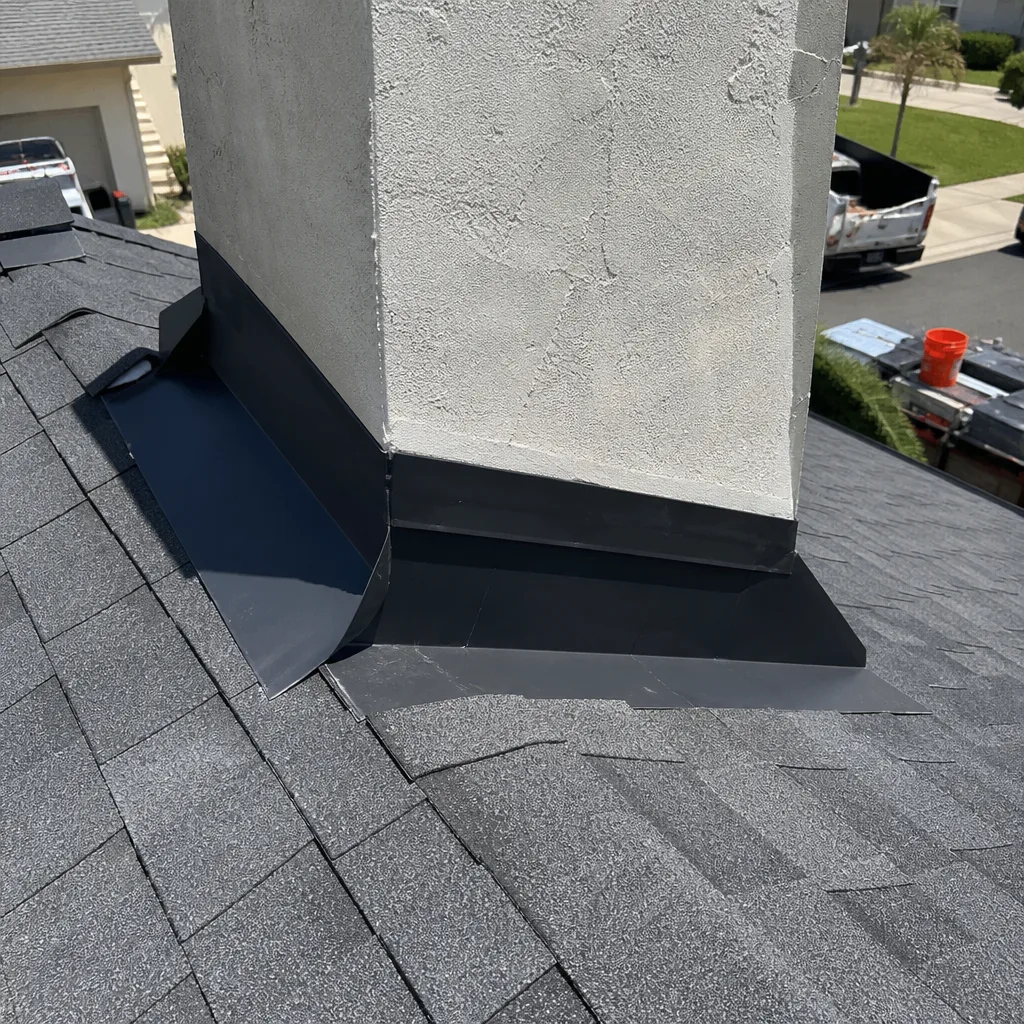
See the difference
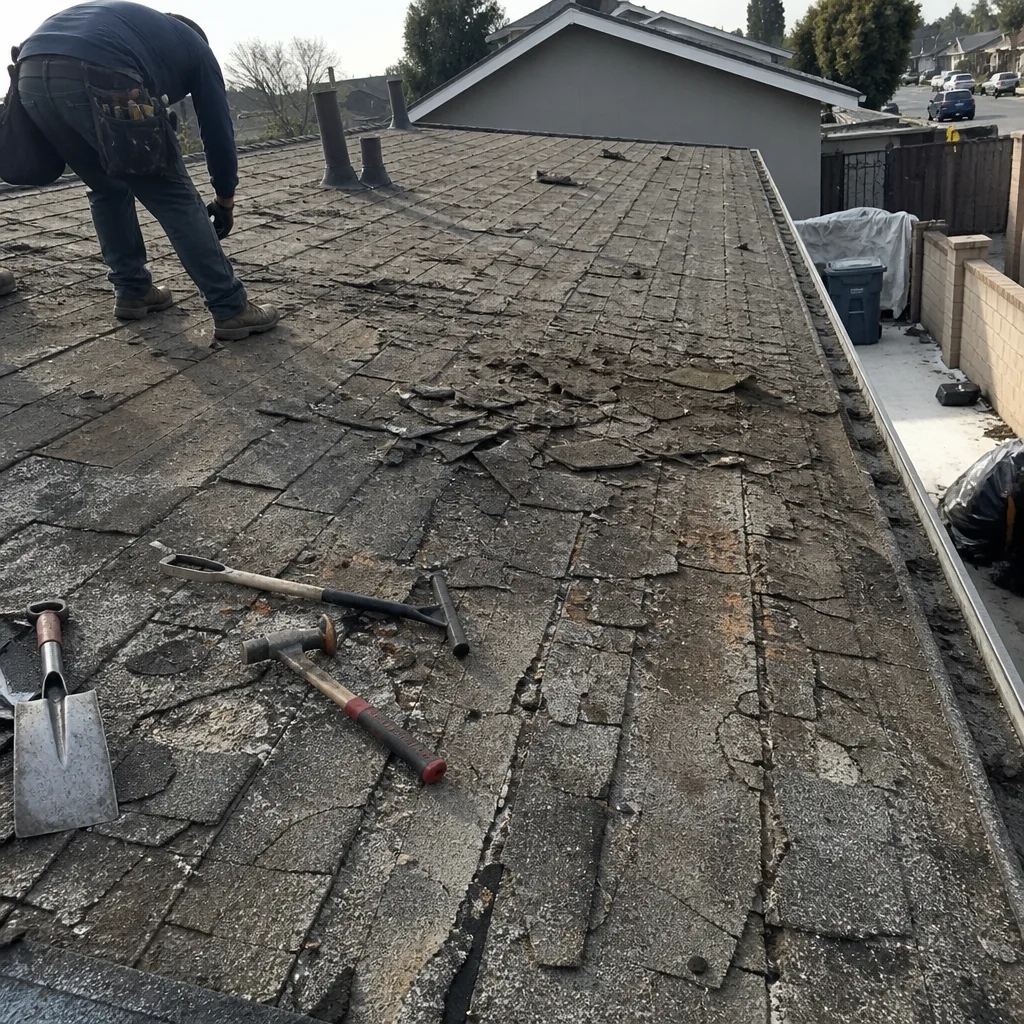 Before
 After
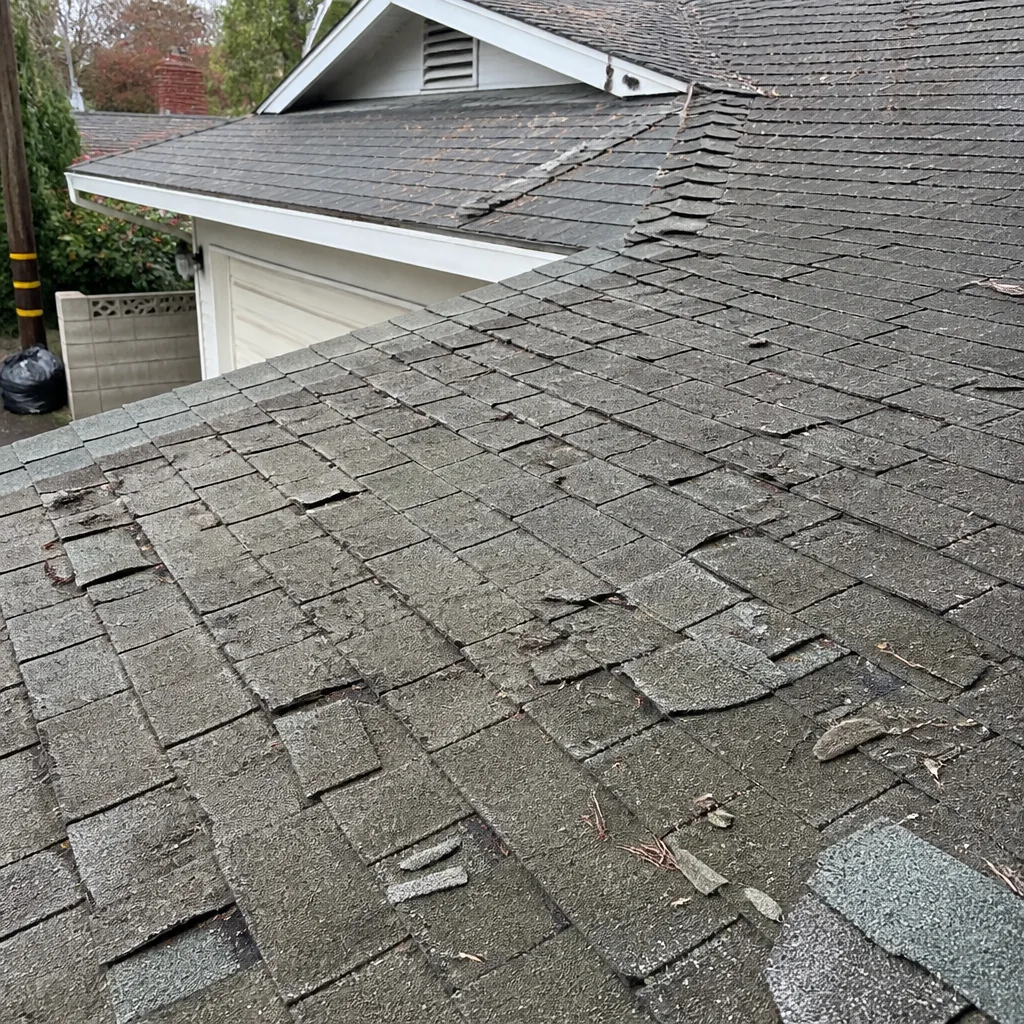 Before
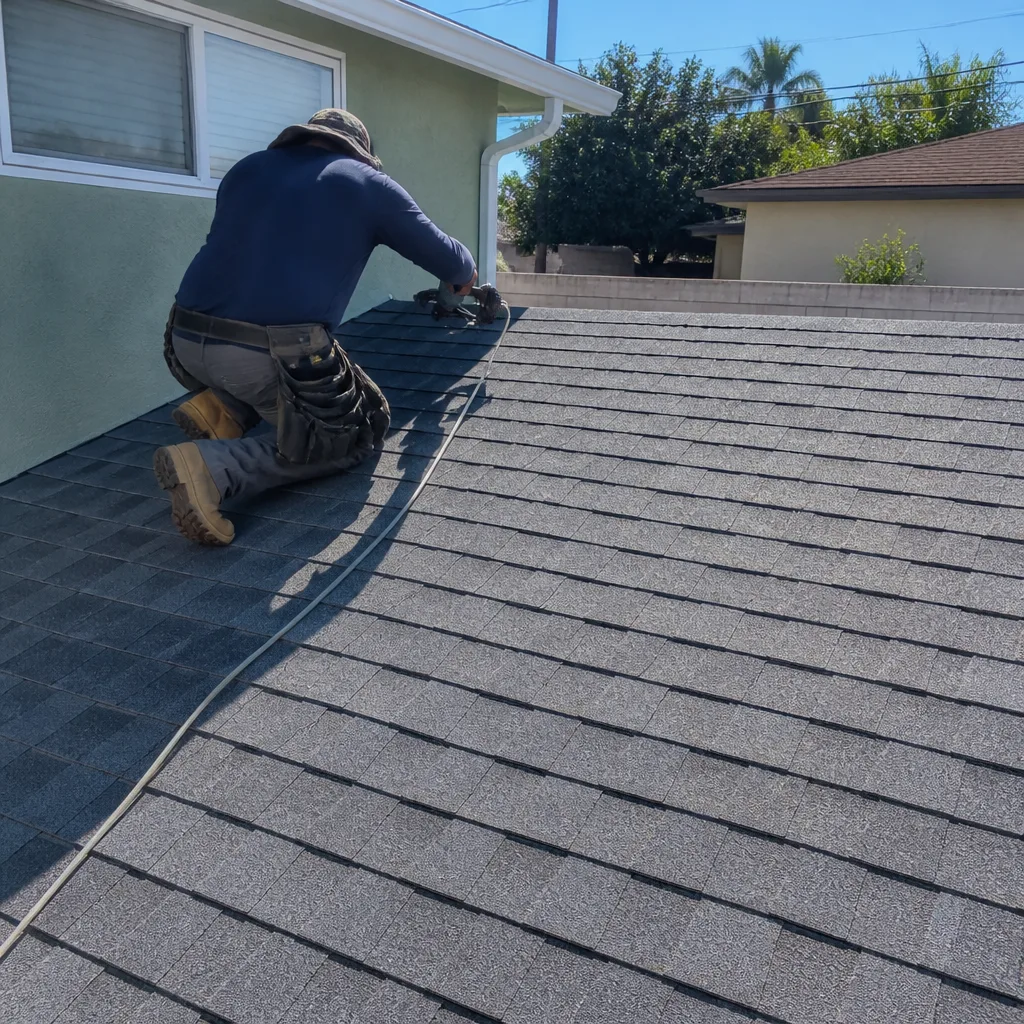 After
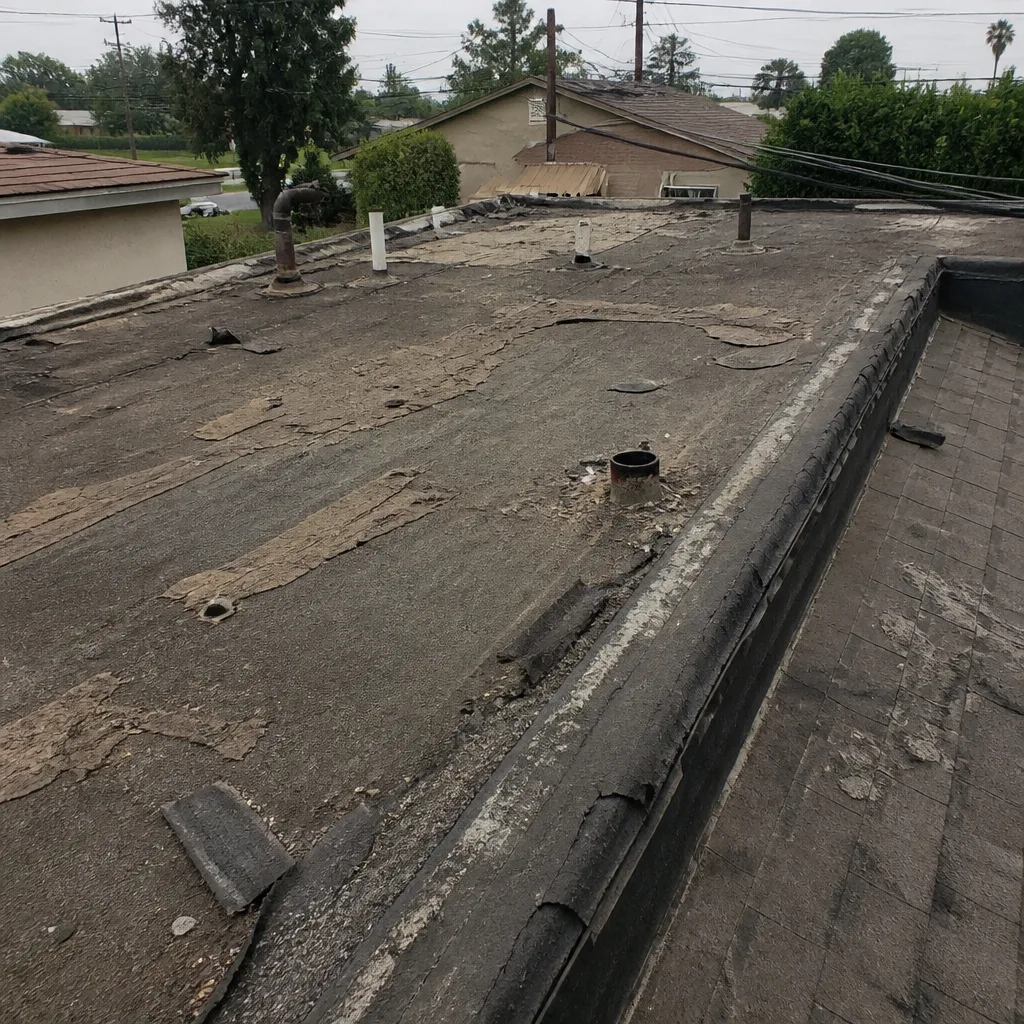 Before
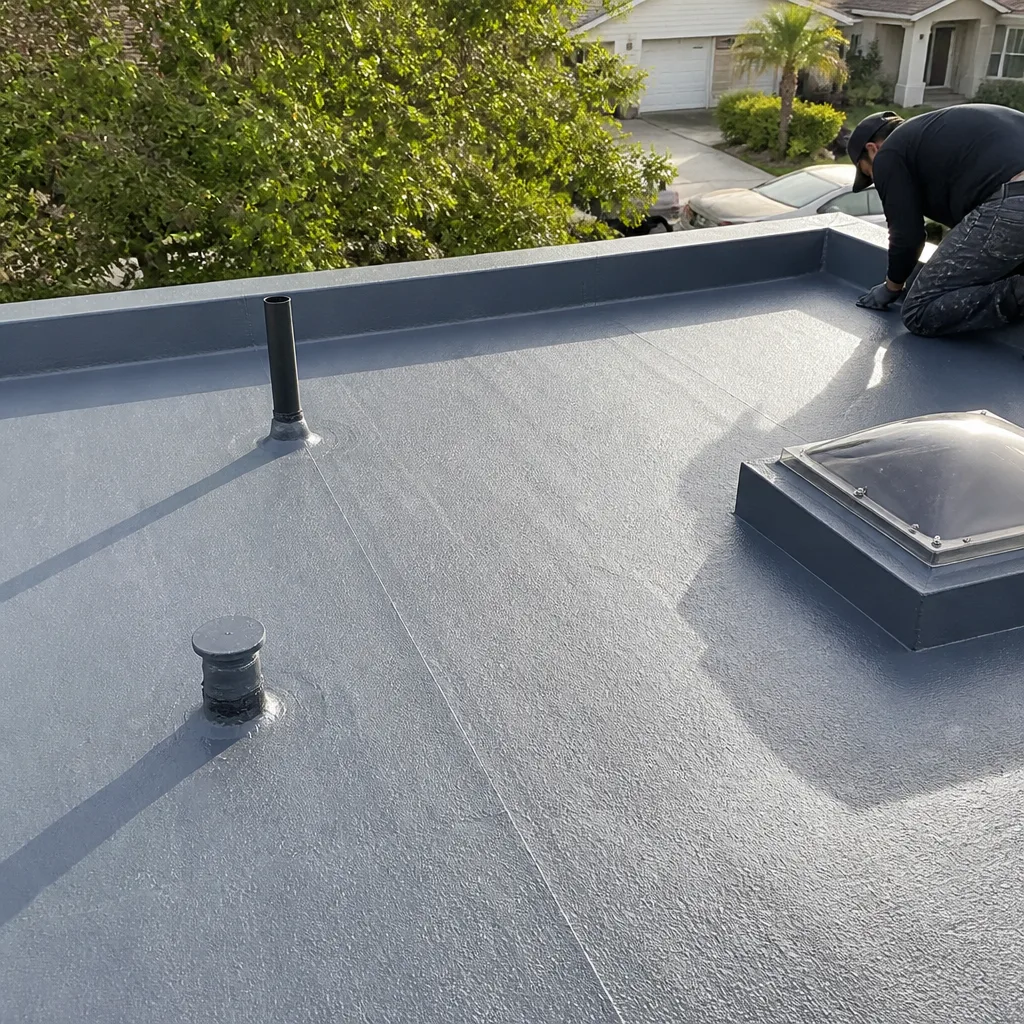 After