Last updated October 31, 2026
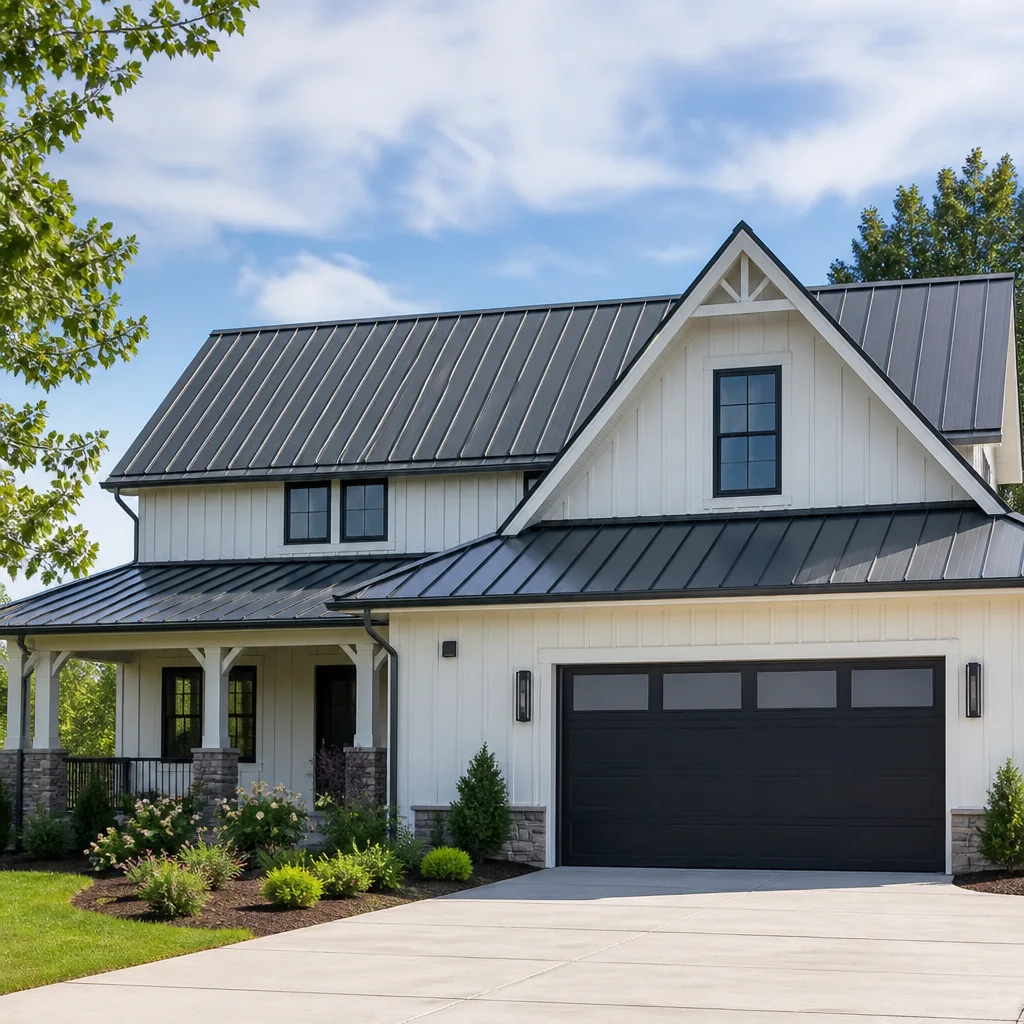 Metal roofing
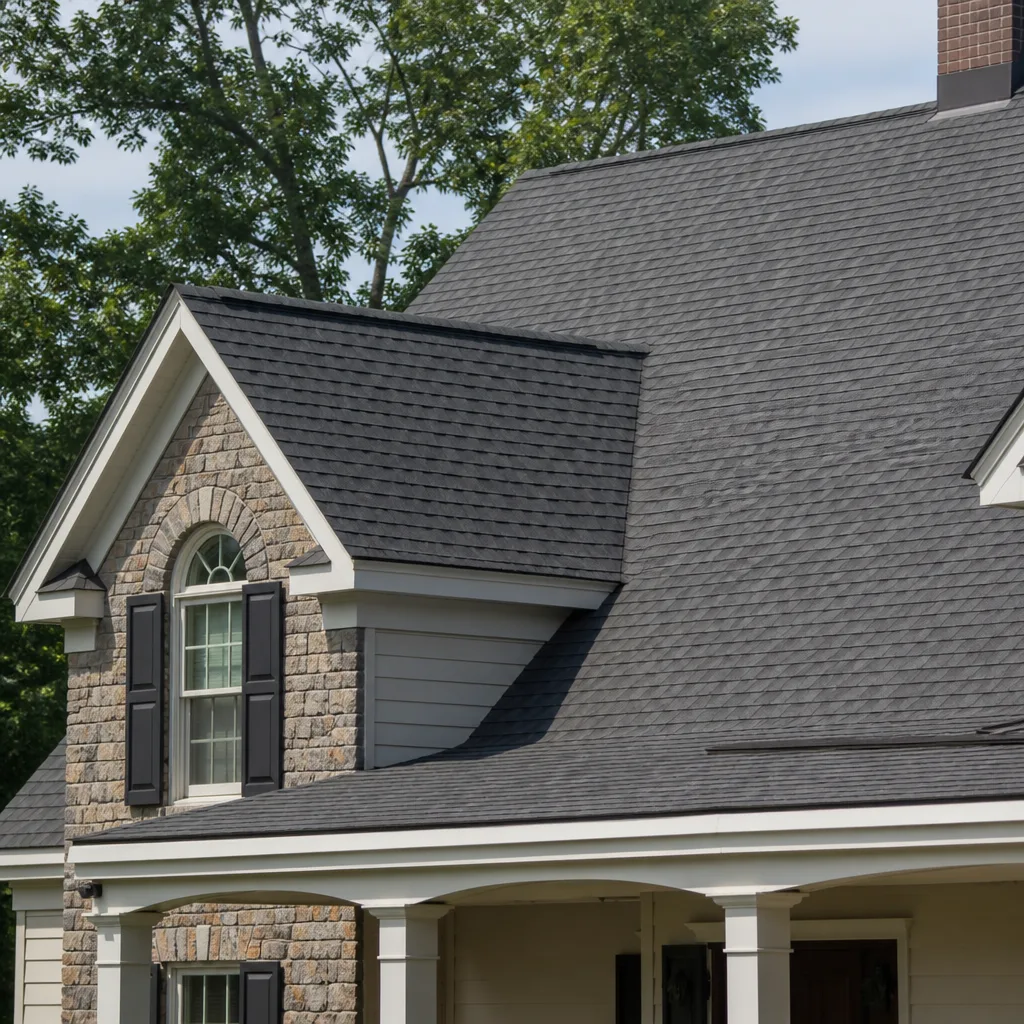 Architectural shingles
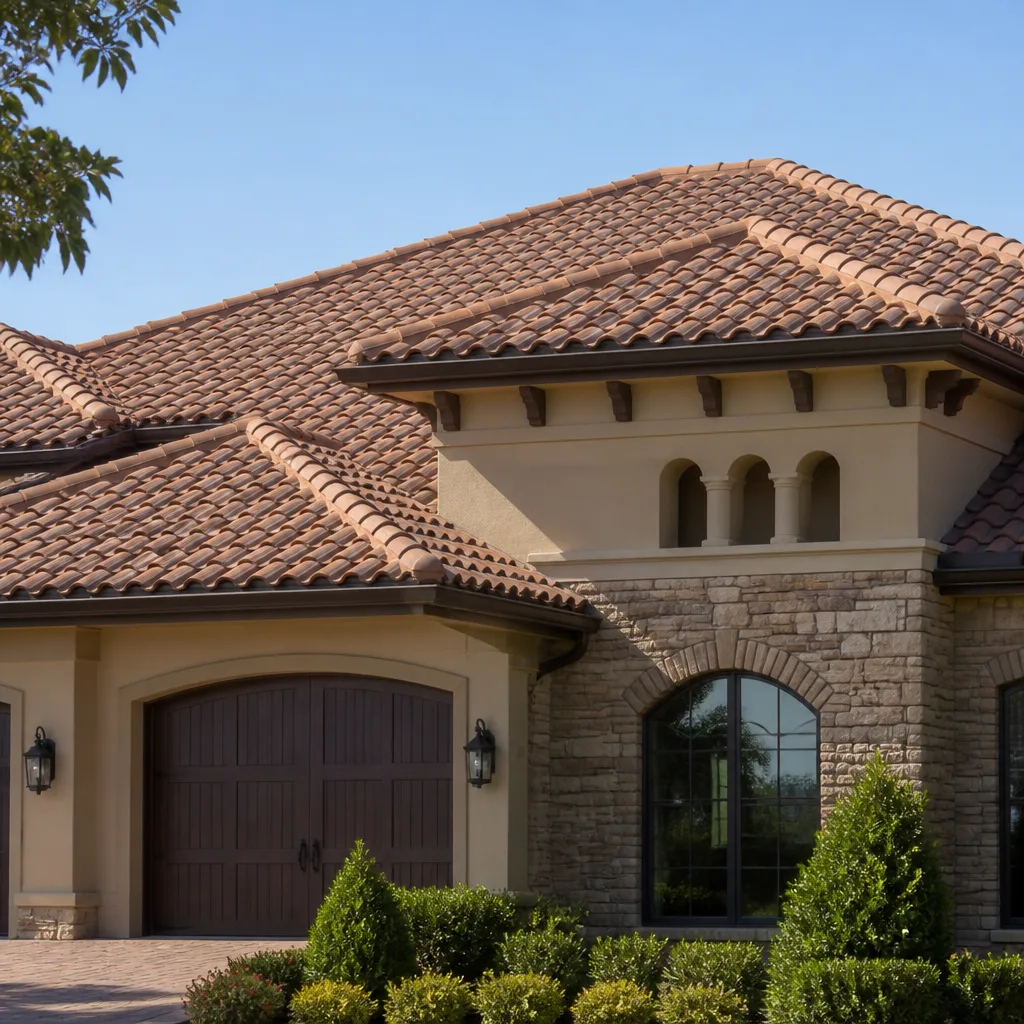 Tile roofing
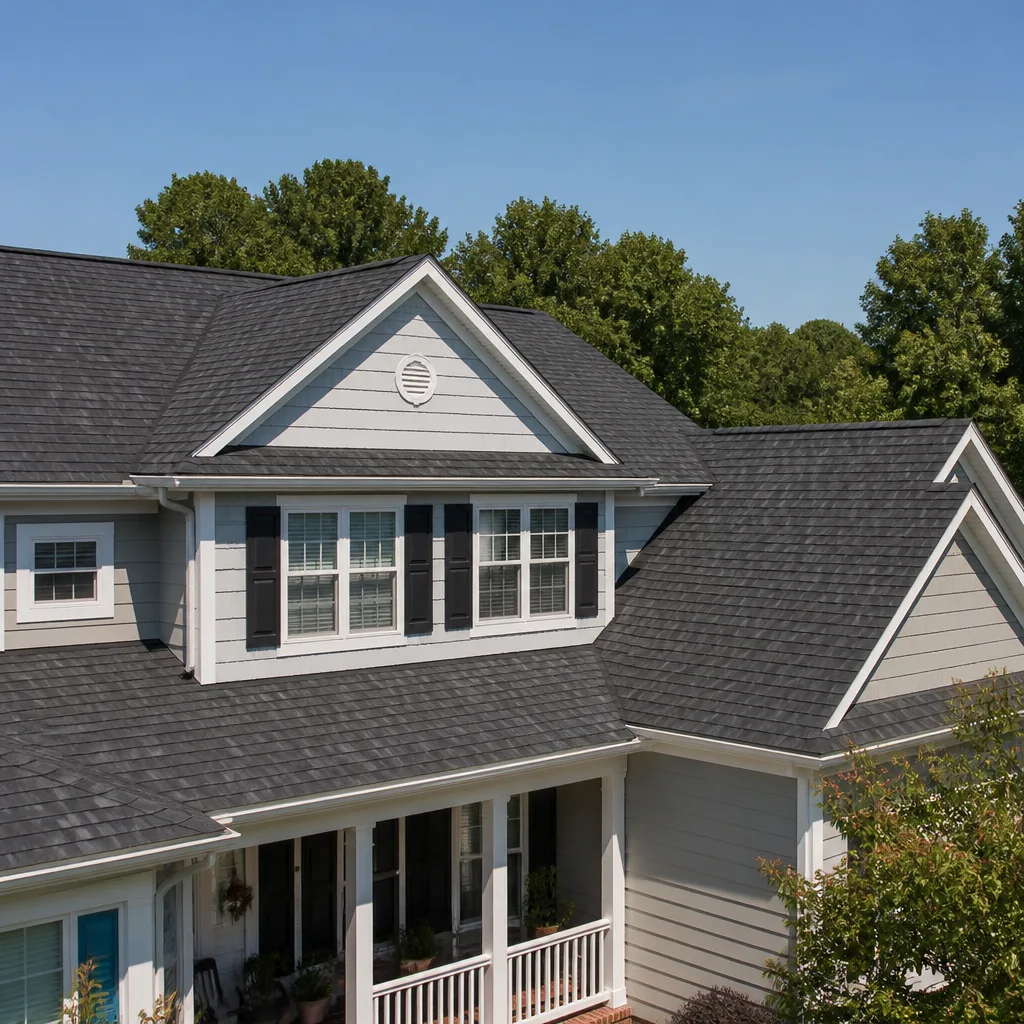 GAF
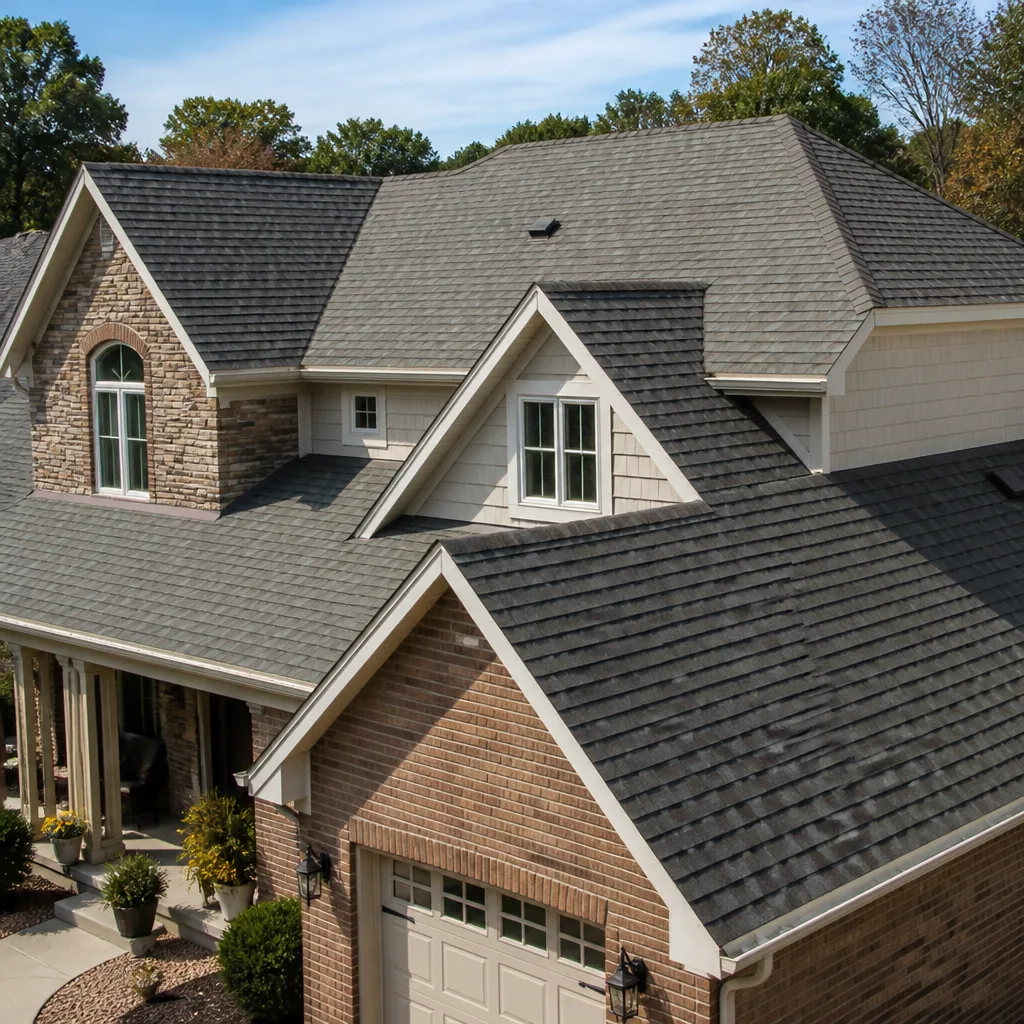 Owens Corning
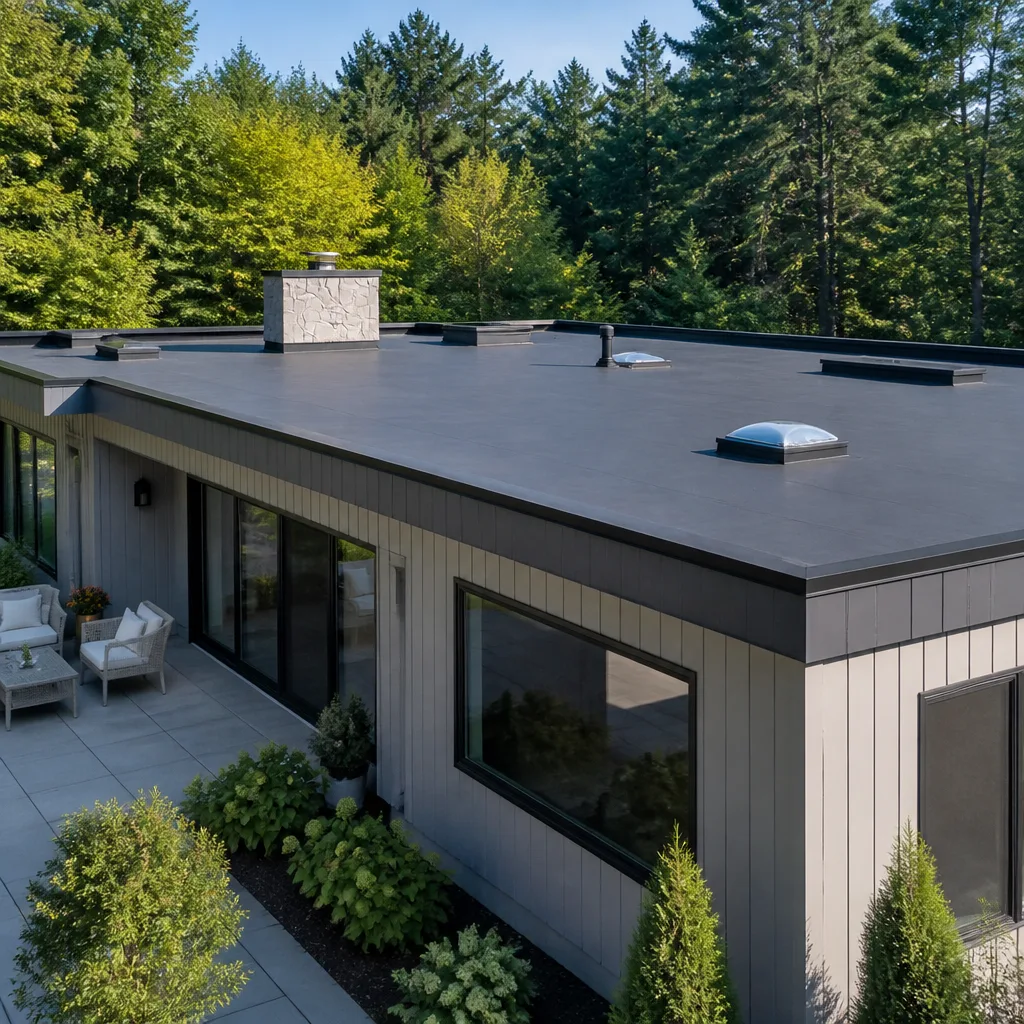 Flat & low-slope
Free roof inspection with deck photos before we talk money - GAF and Owens Corning certified installation
Roofing Permits, Codes & Inspections in CA: What You Need to Know
Here’s a fact most California homeowners learn the hard way: a roofing permit isn’t a tax on your patience. It’s the paper trail that keeps your insurance company from walking away when something goes wrong. If a roof installed without a permit fails during a storm and water pours into your living room, your insurer can deny the interior damage claim because the policy’s “proper installation” clause has nothing to back it up. In Norwalk and across Los Angeles County, we’ve watched homeowners discover this distinction thousands of dollars too late. This guide explains the actual code logic behind California’s roofing regulations, so you can make decisions with your eyes open. You’ll learn when a permit is legally required, what Title 24 energy rules mean for your material choices, how fire ratings work, what inspectors actually check, and how to verify your contractor isn’t cutting corners with the city.
Styles & brands we work with
Quick Answer
Most roof replacements and any re-roofing job exceeding 50% of the roof area require a building permit in California, while minor repairs under 10% of the roof surface generally do not. The permit process exists to verify fire resistance, wind uplift capacity, and energy code compliance before money changes hands. Skipping it risks insurance claim denial, resale complications, and fines that can double the original permit cost.
Table of Contents
- When a California Roofing Permit Is Required (and When It Isn’t)
- Title 24 Energy Compliance: What Changed for Re-Roofing
- California’s Class A Fire Rating Mandate and HOA Conflicts
- The Inspection Sequence: What Each Check Actually Verifies
- How to Verify Your Contractor Actually Pulled the Permit
- Norwalk and Southeast LA County: Local Code Nuances Homeowners Face
- How Code Requirements Shape Your Material Decisions
- What Roofing Permits Cost in California and Who Pays
- Common Mistakes to Avoid
- When to Call a Professional
- Frequently Asked Questions
- The Bottom Line
When a California Roofing Permit Is Required (and When It Isn’t)
California Building Code Section 105.1 draws a line that surprises many homeowners: a permit is required when you’re replacing more than 50% of a roof’s surface area or when structural members like rafters, sheathing, or trusses are being altered. The 50% threshold means a partial re-roof covering three-quarters of your home triggers the full permit process, while replacing a few damaged shingles after a windstorm does not.
The repair exemption is narrower than contractors often claim. Under the California Residential Code, repairs under 10% of the roof area that don’t involve structural modification can proceed without a permit. But that 10% is measured against the total roof surface, not the damaged section. A “small” repair on a large Norwalk ranch-style home can cross the threshold faster than you’d think. When a homeowner asks us whether their project needs a permit, we calculate the percentage before quoting anything. That diagnostic-first approach is exactly how we approach every Roof Inspection in Norwalk, because the scope determination drives everything downstream.
Here’s the practical breakdown:
- Permit required: Full roof replacement, re-roofing more than 50% of surface area, any work involving structural sheathing replacement, any alteration to roof framing, any project adding a second layer over existing roofing (in most jurisdictions).
- Permit not required: Repairs under 10% of total roof area, replacing individual damaged shingles or tiles, resealing flashing around vents or chimneys without removing surrounding roofing, replacing a single skylight without modifying the surrounding roof structure.
- Gray zone (check locally): Repairs between 10% and 50% of roof area. Some cities like Norwalk apply the 50% rule strictly; others interpret “alteration” broadly. The Norwalk Building and Safety Division can confirm in writing, and that written confirmation costs nothing.
The 50% rule exists for a reason. A roof is a system, not a collection of shingles. When more than half the surface is disturbed, the original installation’s wind uplift and fire resistance ratings no longer describe the actual assembly. The permit process forces a re-verification of those ratings against current code, which has changed meaningfully in the last decade.
Title 24 Energy Compliance: What Changed for Re-Roofing
Title 24 of the California Code of Regulations governs building energy efficiency, and for years it largely ignored roofs. That changed with the 2019 update, which brought re-roofing projects into the compliance framework in a way that affects material choices. The current rule: when a roof is replaced in climate zones where cooling dominates, the new roof must meet minimum solar reflectance and thermal emittance standards unless you file a specific exemption.
Los Angeles County, including Norwalk, sits in Climate Zone 8 under Title 24. That designation triggers cool roof requirements for most residential re-roofing projects. A compliant roof reflects more sunlight and releases absorbed heat faster than traditional dark asphalt shingles. The practical effect: that classic dark charcoal shingle might not pass energy compliance without documentation showing an insulation exception or a valid trade-off.
What this means for your material selection:
- Cool roof rated products: Manufacturers now test and label shingles and tiles for solar reflectance index (SRI). CertainTeed, Owens Corning, and IKO all publish SRI ratings for their color lines. The lighter the color, the higher the reflectance, but some mid-tone products with specialty granules now meet the threshold too.
- Tile and metal options: Clay tile and metal roofing naturally reflect more heat than asphalt. Boral’s concrete tile lines, which we install regularly, carry SRI ratings that simplify Title 24 compliance in Norwalk.
- Documentation requirements: Your contractor must submit a Certificate of Compliance (CF-1R) showing the specified roofing product meets the applicable SRI minimum. Without that document, the permit application stalls.
Some homeowners in Norwalk’s older neighborhoods, where original 1950s and 1960s construction predates modern energy codes, assume they can replace like with like. That assumption fails at the permit counter. The code applies to the new work, not the original building date. We walk every client through this early in the process because the energy compliance choice affects both the budget and the finished look of the home.
California’s Class A Fire Rating Mandate and HOA Conflicts
California’s wildfire risk drove the state to mandate Class A fire-rated roofing materials in high and very high fire hazard severity zones. But here’s what most guides miss: the mandate has expanded far beyond those mapped zones. Many cities in Los Angeles County, including Norwalk, now require Class A roofing assemblies as a local amendment to the state code, regardless of the property’s distance from wildland areas.
The Class A rating means the roof assembly, not just the surface material, survives a standardized flame spread test without igniting or allowing flame penetration into the attic. Asphalt composition shingles with fiberglass mat bases generally earn Class A ratings when installed over the correct underlayment. Clay and concrete tile are inherently Class A. Cedar shake, by contrast, struggles to meet the standard unless treated and paired with special underlayment systems, which is why so few California homes feature new wood roofs.
Where this gets complicated is the intersection with HOA design rules. Norwalk has a growing number of planned communities and older subdivisions with active HOAs, and some of those governing documents specify roofing materials that conflict with current fire code. A classic example: an HOA covenant requiring wood shake aesthetics, which now fails Class A requirements in most jurisdictions. When this happens, the fire code wins. California law prohibits HOAs from enforcing architectural standards that would result in an illegal roof installation.
Modern material options that satisfy both the code and the aesthetics:
- Class A asphalt shingles from Owens Corning and CertainTeed: Fiberglass-reinforced composition shingles carry Class A fire ratings and offer wood-tone colorways that many HOAs accept as a visual compromise.
- Concrete tile from Boral: Class A by material composition, with profiles that mimic shake or slate without the fire risk.
- Stone-coated steel: Class A and the lightest re-roof option where structural load is a concern, though availability and installer familiarity vary.
If an HOA is pressuring you toward a non-compliant material, the California Civil Code gives you the legal upper hand. You may need to present the section to the board in writing, but the code is unambiguous: public safety standards supersede private covenants.
The Inspection Sequence: What Each Check Actually Verifies
For a permitted roof replacement in Norwalk, the inspection process follows a predictable sequence. Each inspection has a specific purpose, and understanding those purposes helps you evaluate whether your contractor is doing the job correctly. Here’s what happens, step by step:
- Rough or sheathing inspection: After the old roofing is removed and any damaged sheathing replaced, the inspector checks the structural decking. They’re looking for dry rot, proper fastener spacing, and confirmation that the decking meets the thickness required for the new roofing system. In Norwalk’s older housing stock, this inspection commonly catches sheathing damage that was invisible under the old roof.
- Underlayment inspection: Before any shingles, tile, or metal panels go down, the inspector verifies the underlayment type and installation. In fire hazard zones this means a specific ASTM-rated layer. In Title 24 areas, the underlayment must also be compatible with the specified cool roof assembly.
- Final inspection: Once the roof is complete, the inspector checks the finished surface for correct fastener exposure, flashing details at penetrations and valleys, edge metal installation, and overall workmanship consistent with the approved plans. This is also when the inspector confirms the installed materials match the documented products from the permit application.
The sequence matters because it prevents the most common shortcut in residential roofing: installing new shingles over compromised decking. A contractor who skips the rough inspection can hide sheathing problems indefinitely. The inspector’s sign-off at each stage creates a record that protects you if the roof fails later.
How to Verify Your Contractor Actually Pulled the Permit
A roofing permit in California is issued to the contractor’s license, not to the homeowner’s name. If a contractor asks you to pull the permit yourself because it’s “easier” or “cheaper,” treat that as a serious red flag. It usually means one of three things: the contractor’s license has issues, the contractor has unpaid permit fees or unresolved violations with the city, or the contractor doesn’t want the job on their official record.
Here’s how to verify the permit exists and is active:
- Ask for the permit number before work begins. A legitimate contractor pulls the permit before scheduling the tear-off. If the number can’t be produced within 48 hours of the stated start date, the job is not permitted.
- Look it up online. Norwalk’s Building and Safety Division maintains an online permit portal where you can search by address. The permit should be listed under the contractor’s license number with your property as the job site.
- Check the posted permit card. California requires the permit to be posted on the job site. It’s a physical document with the permit number, contractor information, and a signed copy of the approved plans if applicable.
- Confirm the inspections are scheduled. A permit without inspections is worthless. After each phase, call the city or check the portal to confirm the inspection was actually called in and completed.
We’ve seen the aftermath of unpermitted work in Norwalk: a homeowner who paid for a “fully permitted” roof replacement, only to discover at resale that no permit record existed. The title company flagged it, the sale stalled, and the homeowner paid retroactive permit fees plus penalties before the escrow could close. The $400 saved on permit costs turned into a $2,800 problem. When you’re comparing bids, a contractor who’s already paid their own permit costs into the quote is telling you something about how they run their business.
Norwalk and Southeast LA County: Local Code Nuances Homeowners Face
Norwalk sits in a unique regulatory position for roofing. The city enforces the California Building Code with local amendments, and homeowners in the 90650 ZIP code deal with a specific set of conditions that shape how roofing projects unfold. The climate here, hot inland summers with low rainfall but occasional heavy storm cycles, drives how fast roofing materials degrade. Composite shingles in Norwalk face more UV stress than the same product in coastal Long Beach, which affects both the material selection and the inspection focus on granule loss and thermal cracking.
Permit fees in Norwalk follow the standard Los Angeles County valuation-based formula: the permit cost is calculated as a percentage of the project’s declared value. For a typical single-family roof replacement, homeowners should expect permit fees in the $300 to $700 range, plus plan check fees if the project requires engineering review. Those numbers shift annually, so the building department counter is the authoritative source, but the ballpark matters for budgeting.
Norwalk’s enforcement posture matters too. The city’s code enforcement team actively investigates complaints about unpermitted construction, including roofing. A neighbor’s complaint about noise or debris can trigger a stop-work order that freezes an unpermitted project mid-tear-off, leaving the roof exposed and the homeowner scrambling. We’ve worked with Norwalk homeowners who inherited exactly that situation and needed emergency permit expediting plus the roof work itself.
For homeowners in Norwalk considering their options, the local market has a specific rhythm. Many homes in the city’s central and southern neighborhoods date from the post-war building boom, which means original roof structures are now on their second or third covering. Each re-roof is an opportunity to bring the assembly up to current seismic anchoring standards, which inspectors in this area check carefully because the region’s soft soil conditions amplify structural movement over decades.
When we perform a Roof Repair in Norwalk, the permit question is always the first fork in the road. Usually the repair falls under threshold and no permit is needed. Sometimes the damage is extensive enough that a repair becomes a re-roof, and that’s when the permit conversation moves to the front of the table. If a full replacement is the right scope, that leads naturally to our Roof Replacement in Norwalk process, where the permit and inspection sequence is built into the schedule from day one.
How Code Requirements Shape Your Material Decisions
The code isn’t just a set of hoops. It’s a set of performance standards that should guide what goes on your roof. Understanding why the requirements exist makes you a better buyer. You’re not choosing between “cheap” and “expensive” shingles. You’re choosing between products that meet different performance profiles under California’s specific stressors: UV degradation, occasional heavy rain, wind uplift during Santa Ana events, and wildfire ember exposure.
Multi-brand access changes this conversation. A contractor locked into one manufacturer can only recommend products from that catalog, whether or not they’re the best fit for your home. Our position at True North Roof Repair home is different by design. We stock and install materials from seven recognized brands, including CertainTeed, Owens Corning, IKO, and Atlas, which means the material conversation starts with your roof’s actual conditions and your budget, not with a brand rep’s quarterly sales target.
The codes create the decision matrix:
- Fire rating requirement: Class A assembly. Most quality asphalt shingles and all concrete tile meet this. Cedar requires treatment and special layering.
- Title 24 cool roof requirement: SRI minimums. Lighter colors and specialty reflective granules pass easily. Dark traditional colors may require documentation or fail outright.
- Wind uplift requirement: Installation matters as much as product. The fastener pattern, underlayment specification, and edge detail all factor into the assembly rating. A product rated for 110 mph uplift installed with the wrong nails doesn’t deliver 110 mph performance.
- HOA compatibility: Aesthetic requirements that satisfy the fire code and the energy code simultaneously. Usually achievable, sometimes requiring specific product lines.
In our experience on Norwalk roofs, the most common error is picking the material first and checking compliance second. That reverses the correct order. Know the code requirements for your specific property, then choose among the products that meet them. The result is a roof that passes inspection the first time and performs as documented.
What Roofing Permits Cost in California and Who Pays
Roofing permit costs in California vary by city, but the structure is consistent: a base fee plus a valuation component. For Norwalk and most LA County cities, a standard residential re-roof permit runs between $350 and $700, depending on the declared project value. Plan check fees add another $100 to $300 when engineering review is triggered by structural changes or unusual roof geometries.
The question of who pays is straightforward: the homeowner pays, either directly or bundled into the contractor’s bid. But the meaningful question is whether the permit is a separate line item or buried in the contract. We prefer it as a transparent line item. You should see the actual permit cost on your paperwork before you sign. A contractor who quotes a suspiciously low price may be quoting a price without permits, which means the real cost shows up later, either in fines or in retroactive permit fees.
Here’s a realistic cost picture for a typical Norwalk single-family roof replacement:
- Building permit fee: $350 to $700
- Plan check fee (if structural): $100 to $300
- Title 24 documentation: Usually included in the contractor’s scope, but some charge $50 to $150 for the energy compliance paperwork
- Inspection fees: Typically included in the permit fee for standard residential work
The permit costs what it costs. The expensive mistake is treating it as optional overhead. An unpermitted roof replacement that later fails, gets flagged at resale, or draws a code enforcement complaint costs multiples of the original fee. The permit is also your proof of proper installation for insurance purposes. When we quote a roof in Norwalk, the permit cost is always visible, and we explain exactly what it covers and why it protects the homeowner.
Common Mistakes to Avoid
- Believing “we don’t need a permit for this.” Contractors who dismiss the permit requirement are either misinformed or avoiding the paper trail. If the scope exceeds 50% of the roof surface, the law requires a permit regardless of what the contractor prefers. Calculate the percentage yourself or ask for a written explanation of why the specific project is exempt.
- Paying a contractor to pull permits in your name. Permits belong to the contractor’s license in California. A contractor who asks you to pull the permit yourself is shifting liability onto you. Walk away from that bid.
- Signing a contract without a permit line item. If the contract doesn’t mention permits, the contractor isn’t paying for them. You’ll get a surprise addition when the project starts, or worse, a job that proceeds without any permits at all.
- Ignoring Title 24 until the inspector mentions it. Material selections made without checking SRI ratings can fail energy compliance. The fix usually means swapping to a different color or product line, which changes the budget after you’ve already committed.
- Assuming an HOA aesthetic rule overrides fire code. It doesn’t. California law prioritizes public safety standards over private architectural covenants. Working with your HOA to find a code-compliant material that satisfies the neighborhood’s look is the realistic path.
- Skipping the rough inspection. Contractors who “forget” to call the sheathing inspection are sometimes hiding a problem. The rough inspection exists to verify the decking is sound before it’s covered forever. Insist on it.
- Choosing the lowest bid without checking the permit status. The low bid often omits permit fees, inspection scheduling, and the labor required to meet code. By the time the true cost surfaces, the cheap bid is no longer cheap.
When to Call a Professional
If your roof is showing signs of age, storm damage, or recurring leaks, the permit question is just one part of a larger evaluation. A professional roofing inspection answers the threshold question first: what’s the actual scope of work? Is this a repair that falls under the 10% exemption, or a re-roof that needs a permit, Title 24 documentation, and a full inspection sequence? That determination shapes everything else, including the cost. A roofing specialist who performs the inspection independently of any repair or replacement recommendation gives you the honest answer first. That’s exactly how we structure our service. True North Roof Repair offers free estimates in Norwalk for roofing inspections, repairs, and replacements. Call (866) 617-1004 to schedule yours, and you’ll know where you stand before spending a dollar on materials or labor.
Frequently Asked Questions
Yes, if you’re replacing more than 50% of the roof surface area or altering structural components like sheathing or rafters, California requires a building permit. Most full roof replacements trigger the requirement. Repairs under 10% of the total roof area generally do not need a permit.
Roofing permits in Norwalk typically cost between $350 and $700 for a standard single-family roof replacement, with plan check fees adding another $100 to $300 when structural review is required. The exact cost depends on the declared project value, which your contractor documents during the permit application.
An unpermitted roof replacement can trigger stop-work orders, retroactive permit fees with penalties, insurance claim denials if the roof fails, and financing complications at resale. If your insurance company connects an unpermitted roof to a water damage claim, the policy’s proper installation clause gives them grounds to deny coverage. The financial exposure far exceeds the permit cost.
California requires Class A fire-rated roofing in designated wildfire hazard zones and in many cities, including Norwalk, that have adopted the requirement as a local amendment. Most quality asphalt shingles and all clay or concrete tile meet Class A standards. Check with your local building department before selecting a material.
A typical permitted roof replacement in Norwalk involves two to three inspections – rough sheathing, underlayment, and final – spread across the project timeline. Once the contractor calls in each inspection, the city generally schedules it within one to three business days. Most residential re-roofs complete the full sequence within two weeks.
No. California Civil Code prohibits HOAs from enforcing architectural standards that would require an illegal installation. If your HOA’s covenants specify a material that fails current fire code requirements, the fire code takes precedence. You can present the relevant code section to the board in writing, and they must accept a compliant alternative.
The Bottom Line
California roofing permits exist to verify that your roof meets fire safety, wind resistance, and energy efficiency standards that protect both your family and your property’s value. The code requirements shape material choices in ways that aren’t optional, from Title 24 cool roof mandates in Norwalk to Class A fire ratings that override HOA aesthetic rules. The permit process, with its inspection sequence, creates a documented record of proper installation that your insurance company and future buyer can verify. The contractor you choose should treat permits as essential to the job, not as a bureaucratic inconvenience to be avoided. At True North Roof Repair, we bring diagnostic clarity to every project, from Roof Inspection in Norwalk through Roof Repair to Roof Replacement, so you can make material and scope decisions with complete information. Call (866) 617-1004 to schedule your free estimate and get the permit conversation started the right way.
Written by the team at True North Roof Repair, serving Norwalk since 2016.
See the difference
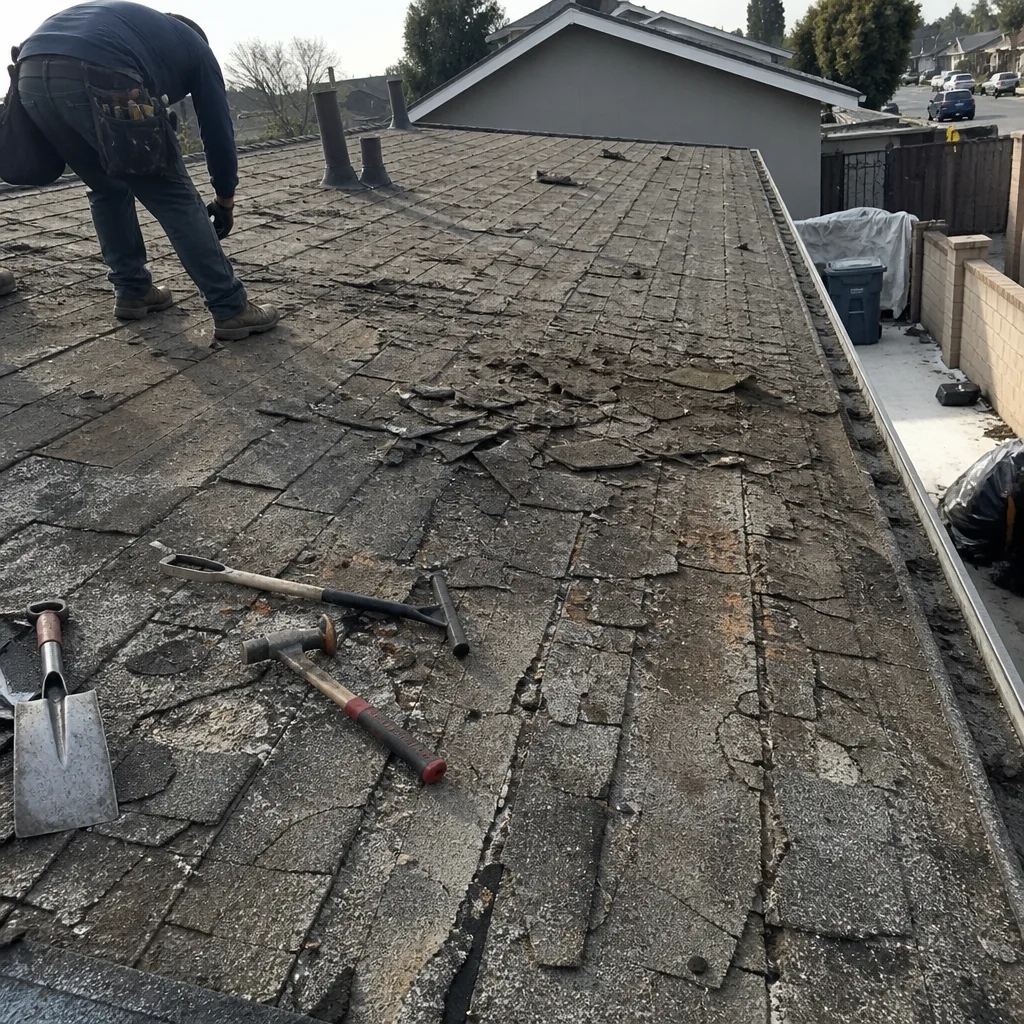 Before
 After
 Before
 After
 Before
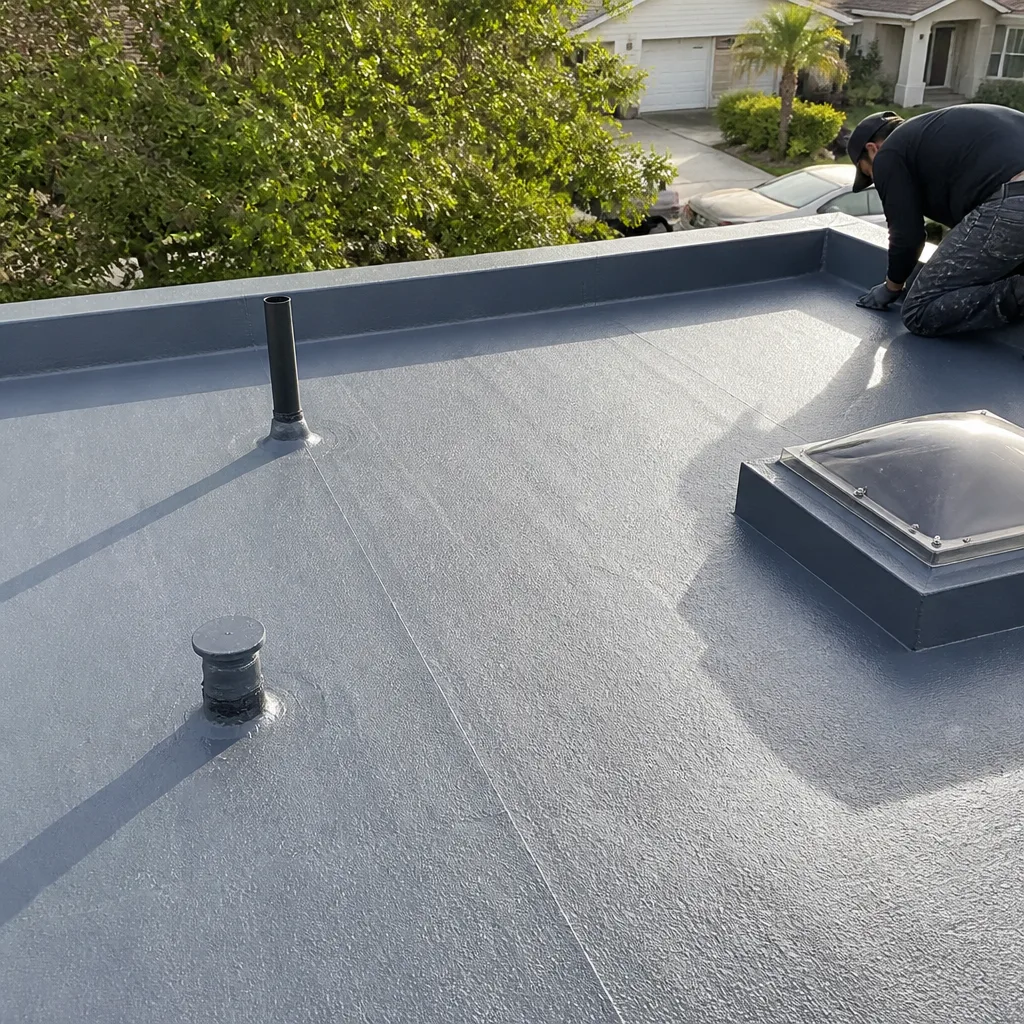 After