Last updated October 31, 2026
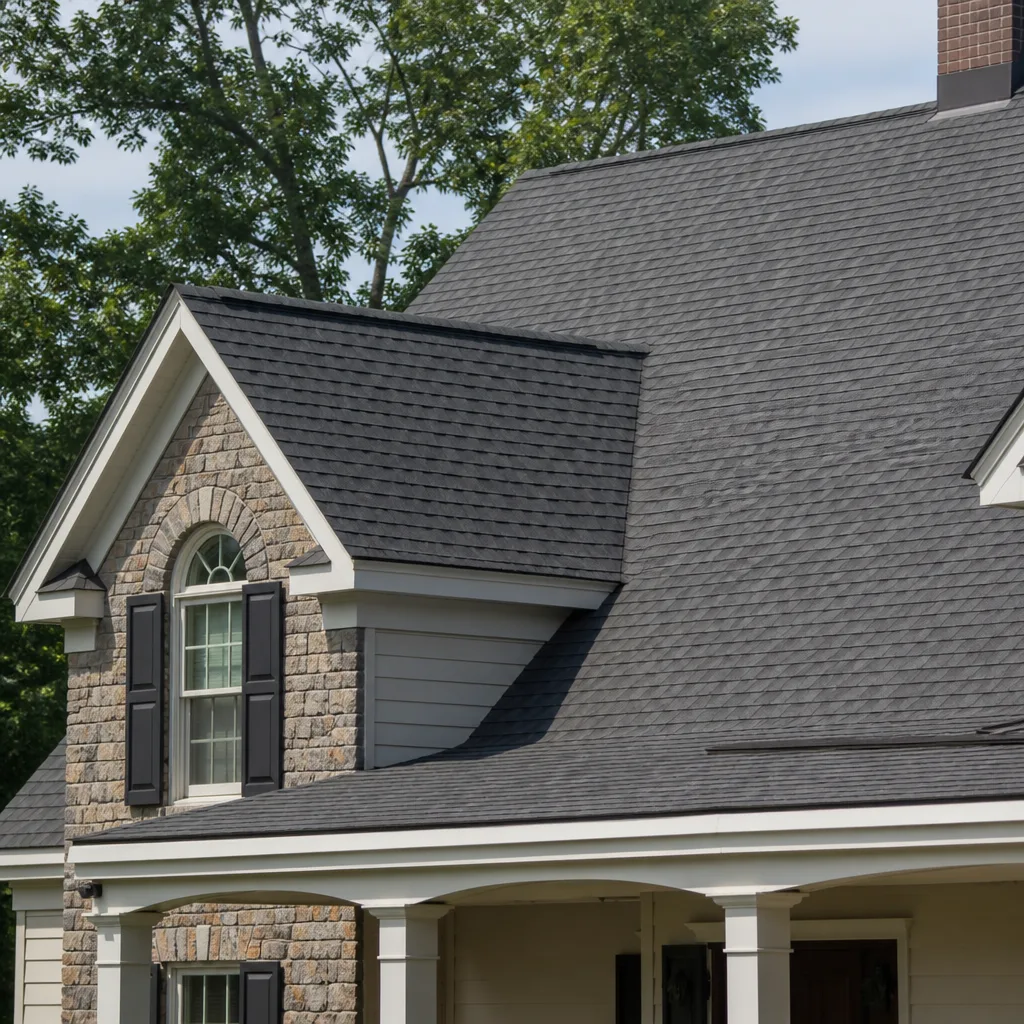 Architectural shingles
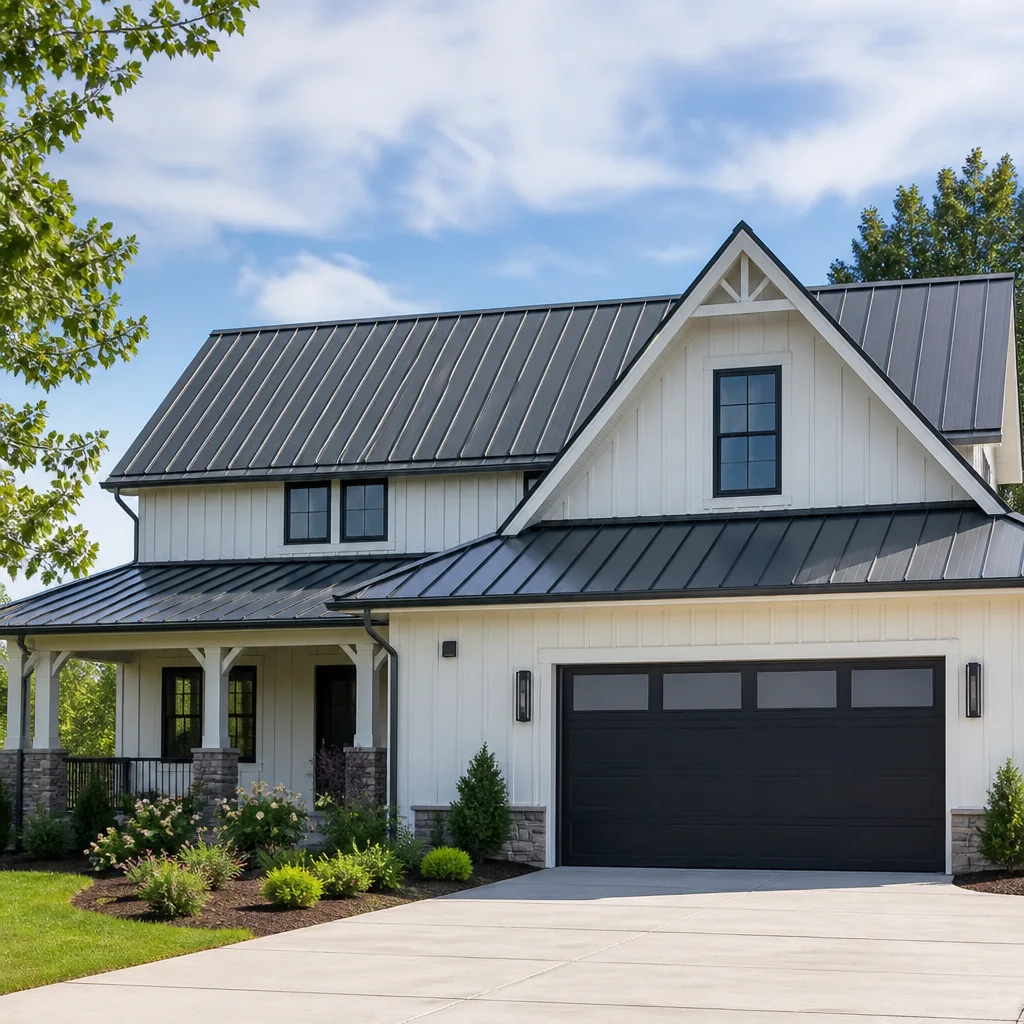 Metal roofing
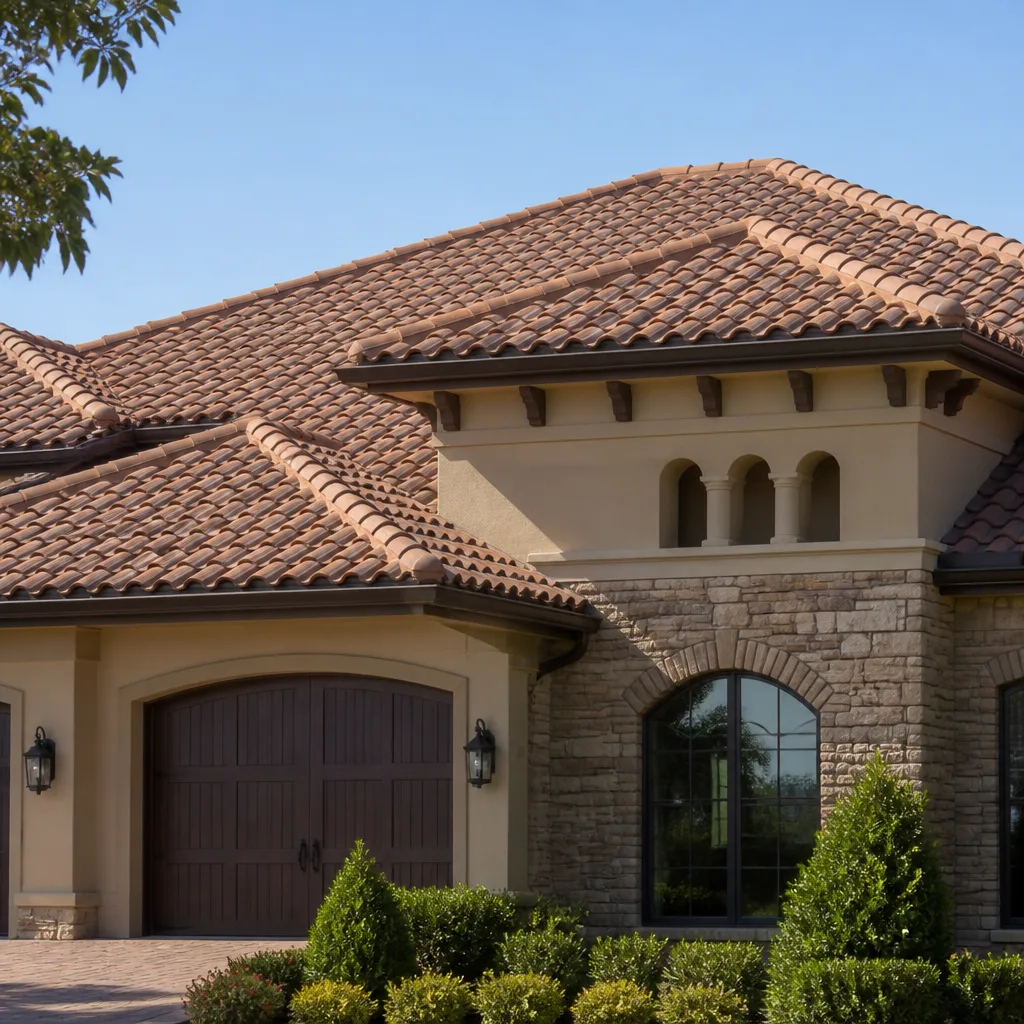 Tile roofing
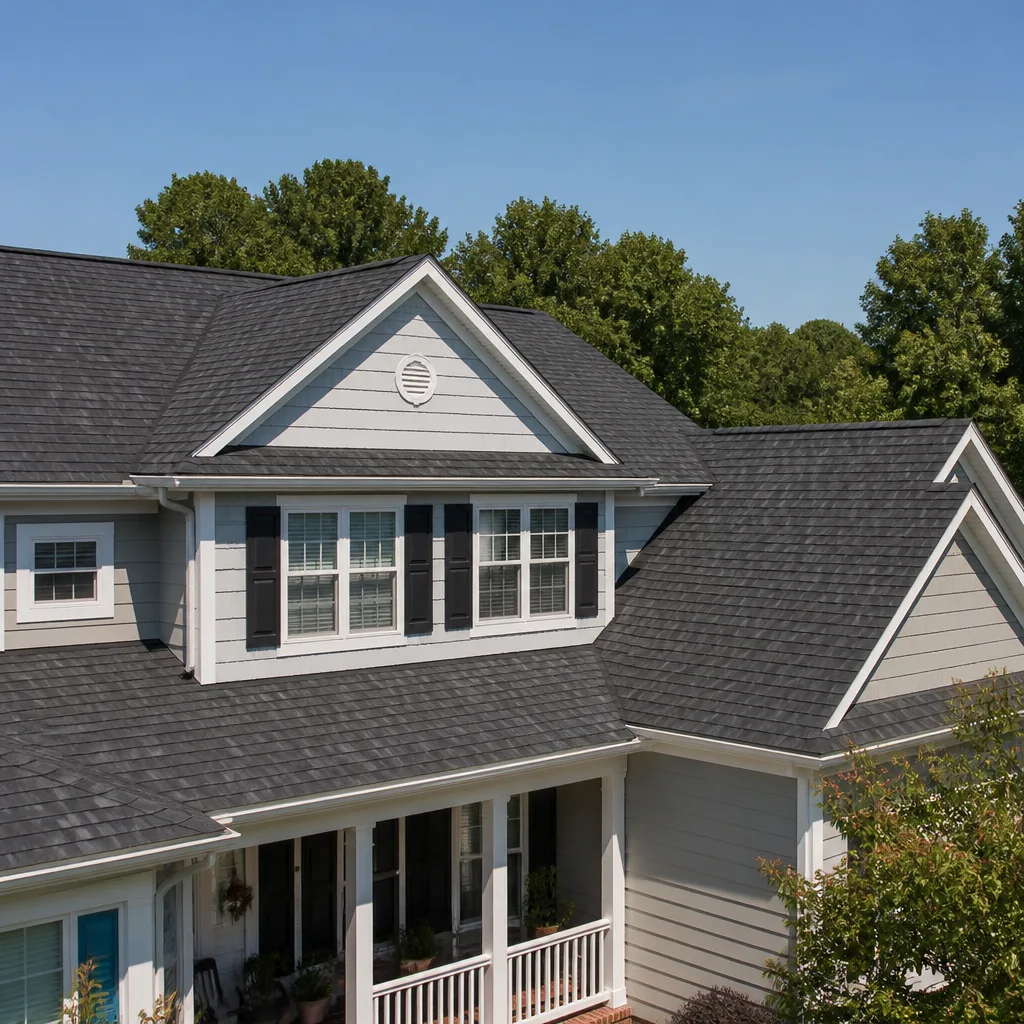 GAF
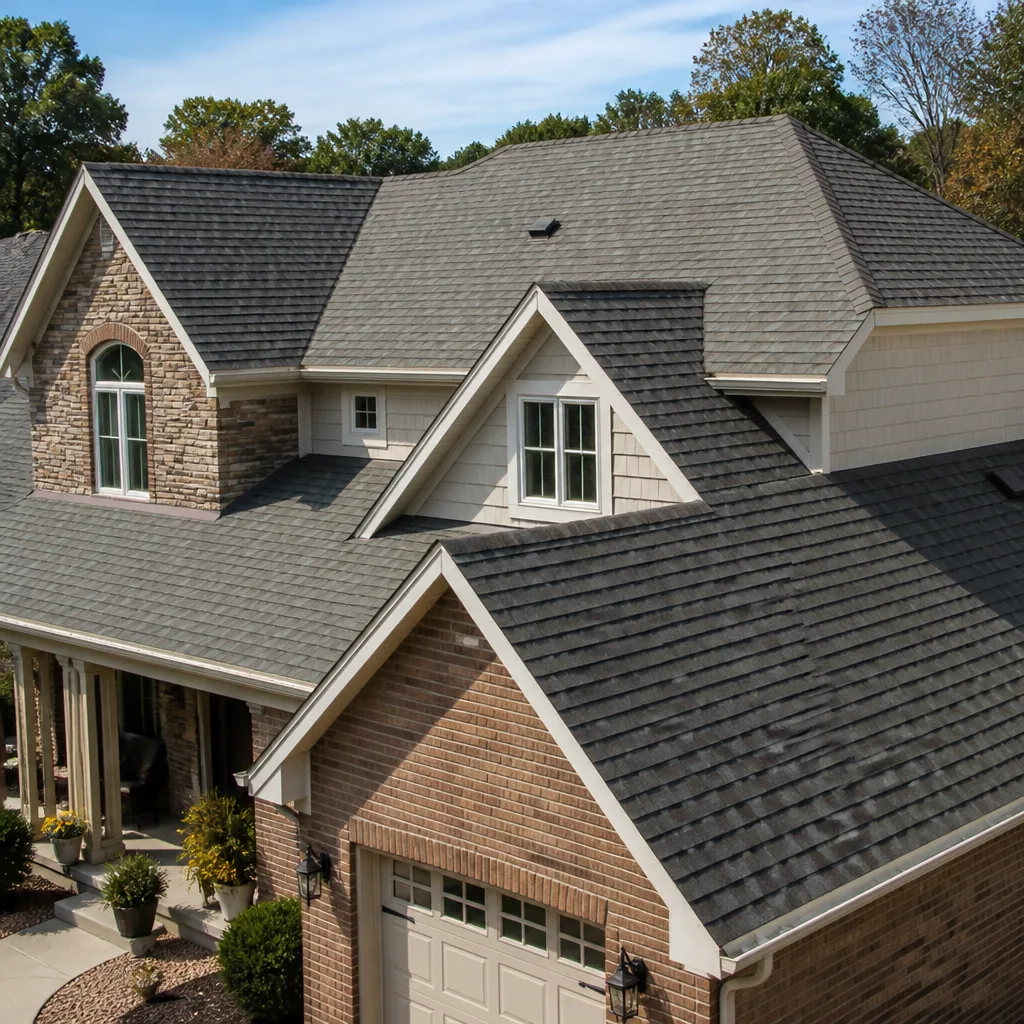 Owens Corning
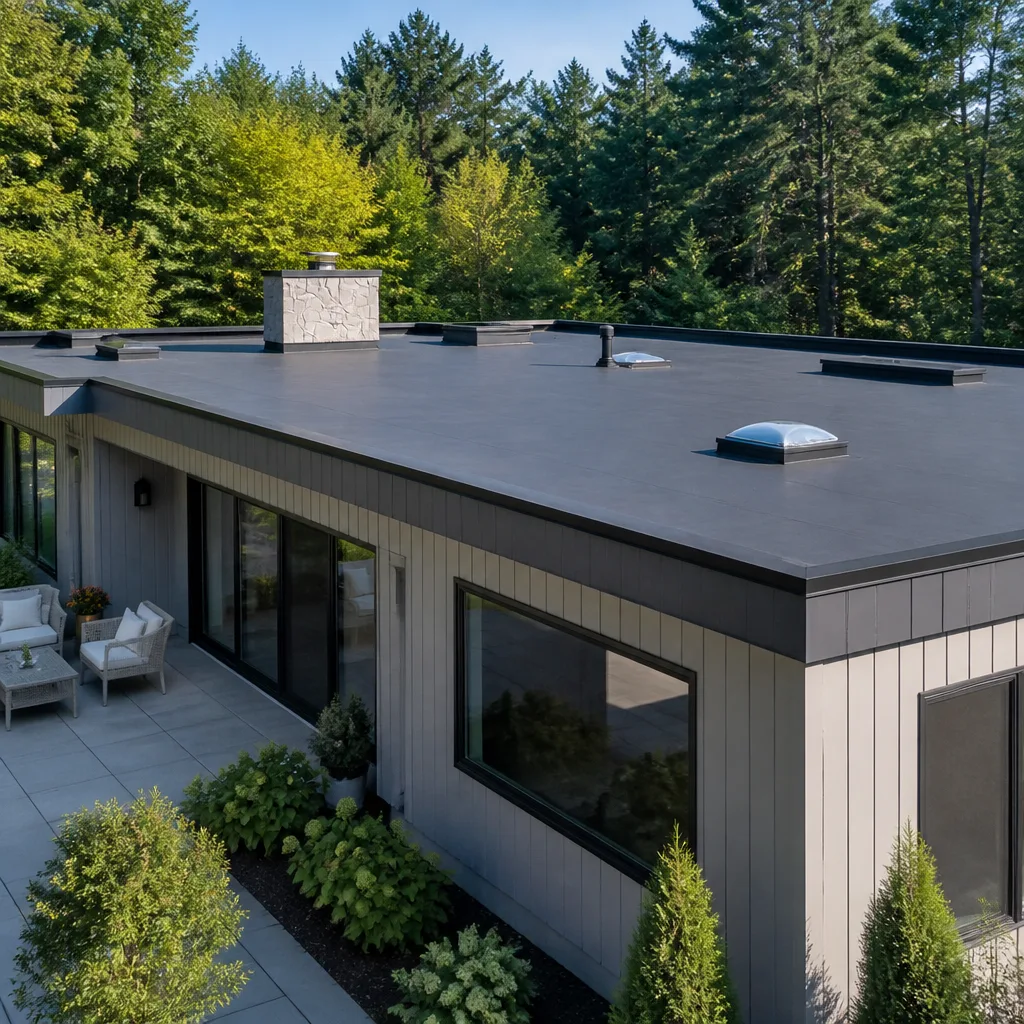 Flat & low-slope
Free roof inspection with deck photos before we talk money - GAF and Owens Corning certified installation
The Complete Roof Repair Guide for Norwalk Homeowners
Most roof repair guides are written for climates with actual seasons. Norwalk has something more punishing: 300+ days of UV exposure interrupted by sudden wind-driven rain that hits a roof that was never designed to dry out fast. That combination creates a specific set of failure patterns that generic roofing advice simply doesn’t account for. This guide treats your zip code as a roofing environment, not just a delivery address. You’ll learn what actually fails on Norwalk roofs, what those failures cost to fix, which repairs make sense versus which replacements are inevitable, and how to approach the whole process without getting pressured into work you don’t need.
Quick Answer
Roof repair in Norwalk typically costs between $350 and $1,800 depending on whether you’re dealing with a simple flashing fix, a vent boot replacement, or a valley repair. Most minor repairs take one day or less once materials are on hand. The most common repairs we see are flashing failures at penetrations, granule loss from Santa Ana winds, and ponding damage on low-slope roof sections common to Norwalk’s 1950s and 1960s housing tracts. A professional roof inspection in Norwalk is the fastest way to determine whether you need a $400 repair or a $14,000 replacement before anyone starts quoting you materials.
Styles & brands we work with
Table of Contents
- How Norwalk’s Climate Attacks Your Roof
- What Roof Repairs Cost in Norwalk
- The 5 Most Common Roof Failures in Norwalk Homes
- Santa Ana Wind Damage: When Granule Loss Becomes a Priority
- Marine-Layer Moisture and the Silent Rot Problem
- Repair vs. Replace: A Norwalk Decision Matrix
- LA County Permits: What Actually Needs One
- Insurance Claims vs. Out-of-Pocket: Where the Line Actually Is
How Norwalk’s Climate Attacks Your Roof
Norwalk sits in a weird spot on the roofing map. We’re not quite coastal enough for the constant fog of Long Beach, but we’re not far enough inland to escape the marine layer entirely. The result is a climate that cycles between dry heat, damp mornings, and sudden gust events with almost no transition periods. Roofing materials expand and contract through those cycles daily. Asphalt shingles bake in afternoon sun, then cool rapidly when the marine layer rolls in after sunset. That thermal cycling is what causes the micro-cracks that eventually become leaks.
Roofing systems in Norwalk aren’t failing because of any single dramatic event. They’re failing because of accumulated stress over thousands of thermal cycles. A roof that looks fine from the street can have significant hidden damage at the seams, penetrations, and flashing points. That’s why a roof repair in Norwalk often starts with identifying failures that aren’t visible from ground level.
The homes in Norwalk’s older neighborhoods, particularly the tracts built between 1950 and 1975, were constructed with roof designs that made sense for a different understanding of California weather. Low slopes were common because they saved on materials. But a low slope in a marine-layer climate means water doesn’t shed quickly. It sits, it pools, and it finds its way into seams that would have stayed dry on a steeper roof. Homeowners in the areas around Norwalk Boulevard and the older sections near Imperial Highway deal with this more than most.
What Roof Repairs Cost in Norwalk
Here’s the honest answer: most Norwalk homeowners will pay between $350 and $1,800 for a roof repair, with the majority of jobs landing in the $500 to $900 range. The price depends on what’s failed, how accessible it is, and whether the repair requires materials to match an existing roof system that may have been discontinued. We lay out the options, you choose the path. That means line-item pricing before any work starts. Here’s what typical repairs look like in Norwalk’s current market:
- Pipe boot or vent boot replacement: $250 – $450. The rubber boot around plumbing vents degrades from UV exposure, usually within 15 – 20 years. When it cracks, water follows the pipe straight into your attic.
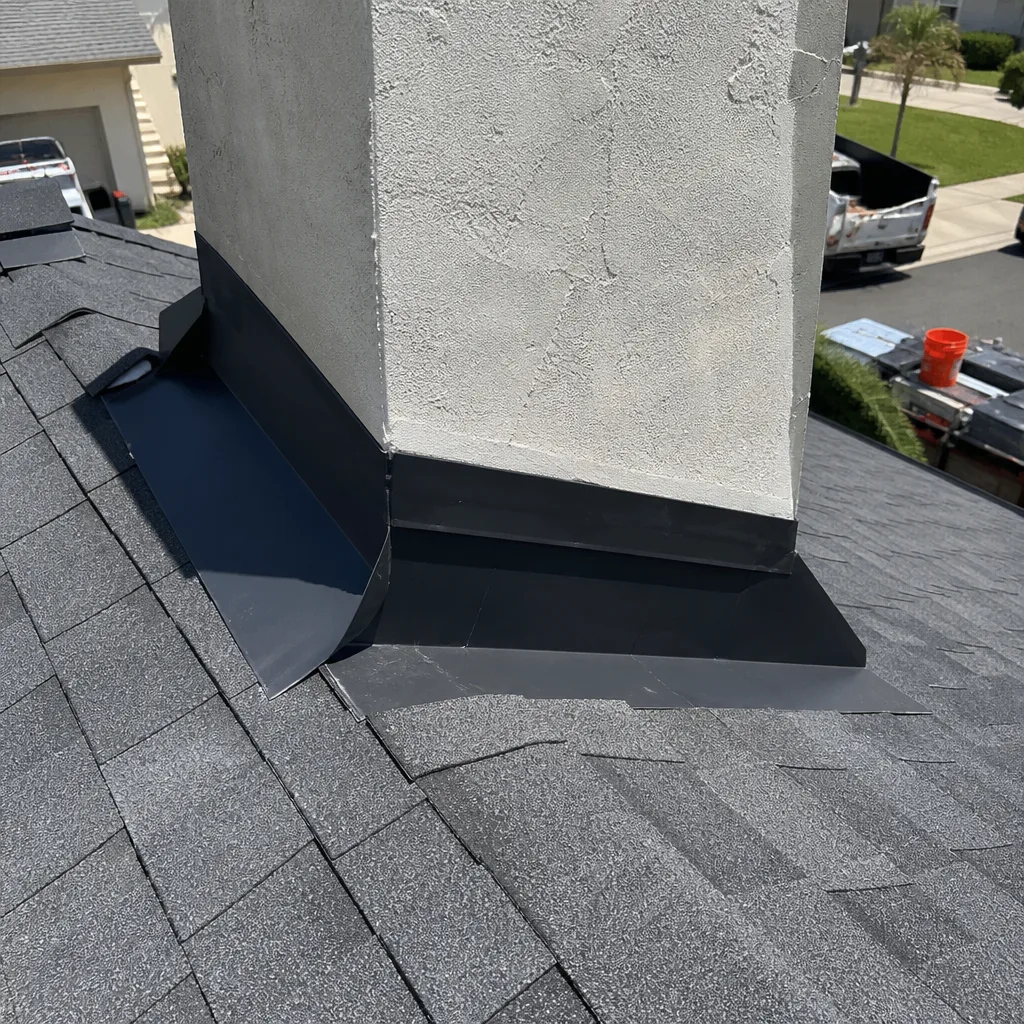
- Flashing repair at a chimney or wall intersection: $400 – $800. Step flashing along walls and chimneys is a prime failure point on Norwalk’s older homes. This involves removing shingles, replacing or re-sealing flashing, and reinstalling.
- Valley repair: $600 – $1,200. Valleys channel a huge volume of water during rain events. When the underlayment fails there, you get interior staining fast.
- Tile repair on concrete or clay tile roofs: $350 – $750 for individual tile replacement, more if multiple tiles are cracked across a wide area. Tile roofs common on Norwalk’s 1970s and 1980s homes are durable but brittle under foot traffic.
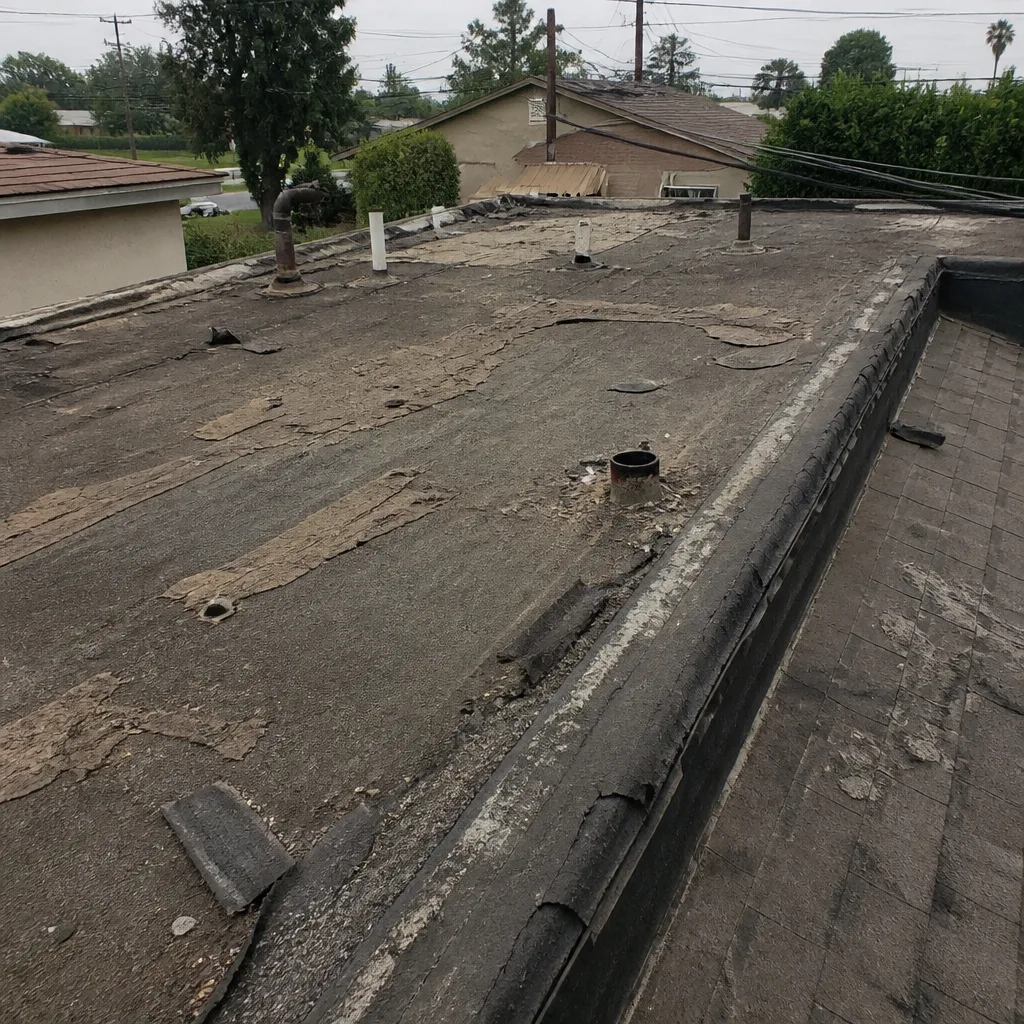
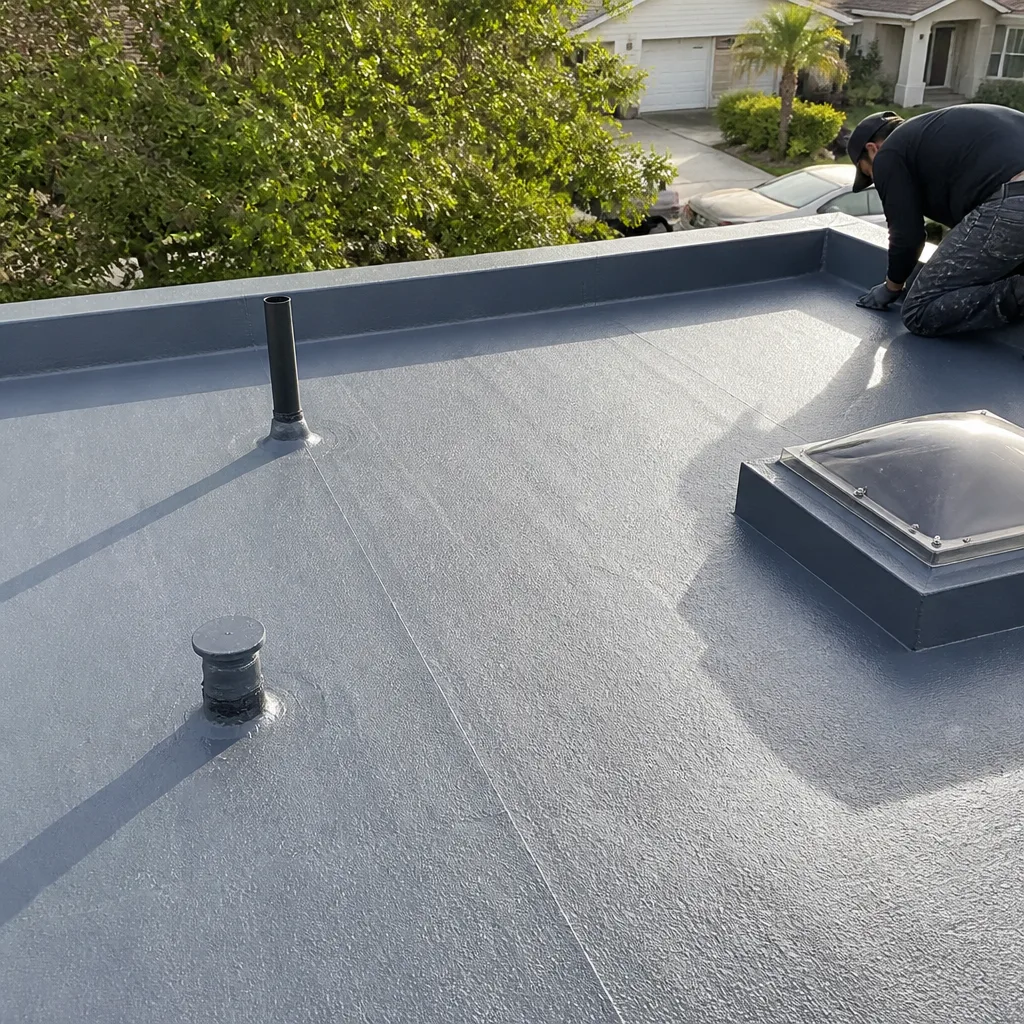
- Low-slope ponding repair with modified bitumen or coating: $800 – $1,800. This is a skilled repair requiring clean prep work and proper application. Rushed work here fails within a season.
- Granule loss re-coating (spot treatment): $500 – $1,200. A temporary solution that buys 2 – 4 years when full replacement isn’t yet justified.
These are ranges based on typical single-family residential work in Norwalk. Your actual quote will depend on roof access, pitch, material type, and the extent of underlying damage once we open it up. We provide written quotes with no change orders, which means the price we quote is the price you pay. Call (866) 617-1004 to schedule a free estimate.
The 5 Most Common Roof Failures in Norwalk Homes
In our experience, almost every repair call in Norwalk traces back to one of five root causes. Understanding these will help you know what to look for before you even pick up the phone. Diagnose first, spend second.
1. Flashing Failures at Penetrations and Transitions
Every pipe, vent, skylight, chimney, and wall intersection on your roof is a place where the continuous roof surface is interrupted. The material that seals those interruptions is flashing, usually made of galvanized steel, aluminum, or copper. In Norwalk, flashing fails for two reasons: thermal expansion fatigue (the daily heat-and-cool cycle we described earlier) and poor original installation. Builders in the 1950s and 1960s often used materials that simply weren’t designed for 50+ years of service. When flashing lifts, cracks, or separates, water enters through the gap. This is the single most common repair we perform.
2. Granule Loss on Asphalt Shingles
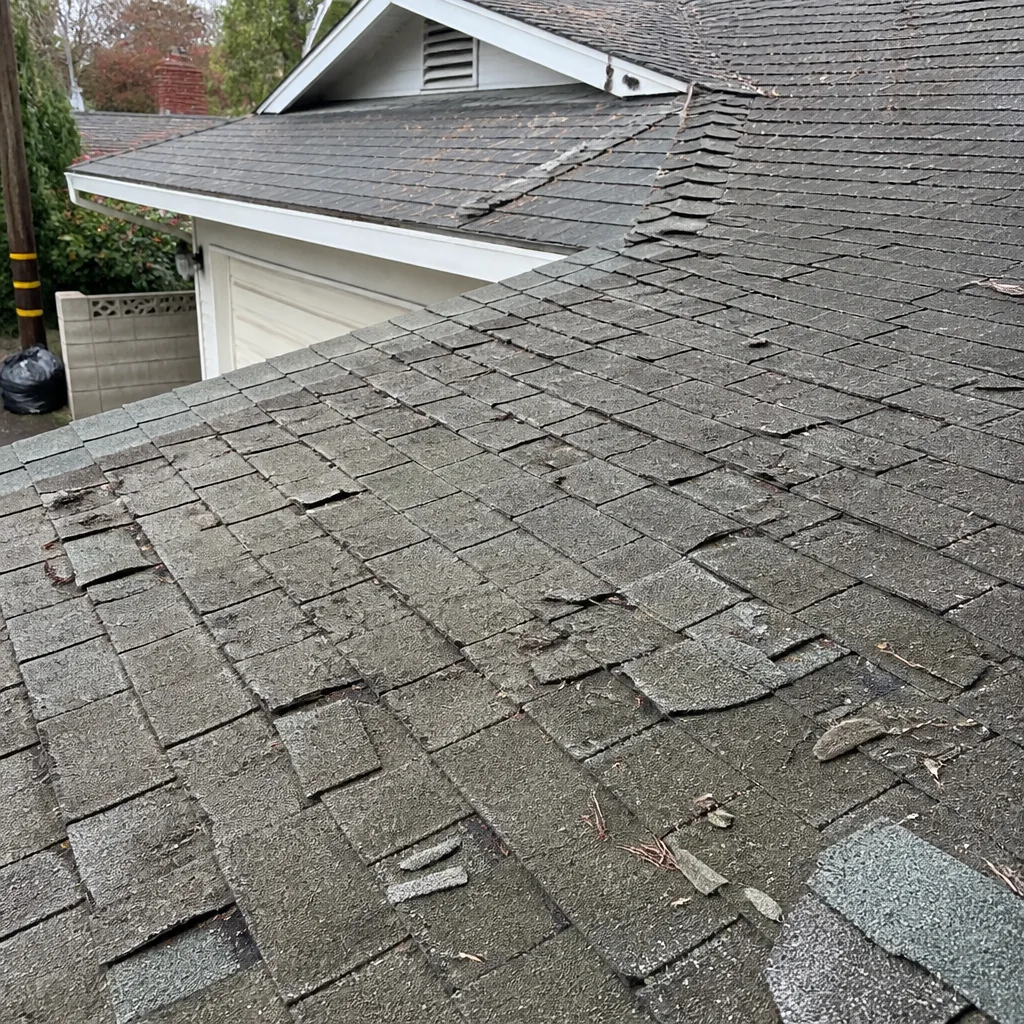
The granules on asphalt shingles serve two jobs: they protect the asphalt from UV breakdown and they provide fire resistance. When granules go missing, the underlying asphalt bakes, becomes brittle, and cracks. Santa Ana winds accelerate granule loss dramatically, but so does simple age. By year 15 of a typical asphalt roof in Norwalk, you can expect to see granules collecting in gutters and at downspout bases. If you run a hand across a shingle and it feels smooth rather than gritty, the protective layer is largely gone.
3. Ponding Water on Low-Slope Sections
Homes built in the 1950s through 1970s in Norwalk frequently include flat or low-slope sections: over patios, carports, additions, or the main living space in mid-century designs. Water that sits for more than 48 hours after rain is called ponding, and it is a roof killer. Ponding water accelerates membrane breakdown, encourages algae growth (which holds additional moisture), and finds micro-fissures that might otherwise seal themselves. Norwalk’s specific problem is that the marine layer slows evaporation, meaning ponded water often lingers longer than the same volume would in a hotter, drier inland city.
4. Underlayment Deterioration at Eaves and Rakes
The underlayment is the water-resistant barrier beneath your shingles or tiles. At the eaves and rakes (the edges of the roof), this material is exposed to the highest wind uplift forces. Norwalk’s gust cycles, particularly during Santa Ana events, tug at roof edges constantly. Once the underlayment at the edge degrades, wind-driven rain can enter even if the visible shingles look intact. This is a common source of ceiling stains near exterior walls.
5. Compromised Ridge Capping
The ridge cap is the highest point of the roof where two slopes meet. It handles enormous wind loads and is often the first place shingles lift or tiles dislodge. When ridge capping fails, water and wind enter through the peak, affecting both sides of the roof. We see this frequently after wind events exceeding 40 mph, which Norwalk experiences multiple times annually during Santa Ana season.
Santa Ana Wind Damage: When Granule Loss Becomes a Priority
Santa Ana winds in Norwalk typically arrive between September and February, with gusts routinely exceeding 40 mph. At that threshold, something specific happens to asphalt shingle roofs: the wind creates a pressure differential that lifts the shingle tabs, and the grit that was already loosened by UV exposure gets stripped away. It’s not a dramatic event. You won’t see shingles flying off. What you’ll see is a gradual accumulation of granules in your gutters in the days following a Santa Ana event.
Here’s the counterintuitive part: granule loss from a single Santa Ana season rarely causes an immediate leak. The damage is cumulative and catalytic. Once the granule layer is compromised, UV radiation attacks the asphalt substrate directly. The shingle’s lifespan drops from 25+ years to potentially 10 or less. That’s why a roof inspection in Norwalk after a major wind event isn’t just about finding existing leaks. It’s about documenting damage while the evidence is fresh, before accelerated decay turns a re-coating candidate into a full replacement.
After a Santa Ana event with 40 mph or higher gusts, here’s what you should check:
- Gutter contents: Are granules accumulating? A tablespoon or two is normal. A visible layer of granules across the bottom of the gutter is not.
- Downspout splash patterns: Granules often accumulate at the base of downspouts after wind events. If you see grit on concrete or soil near downspout outlets, that material came from somewhere.
- Shingle tabs from a ladder or drone: Look for tabs that appear “curled” at the edges or that don’t lie flat. Lifted tabs were flexed by wind. They may not be leaking now, but the seal has been compromised.
- Ridge cap alignment: Look along the peak of the roof. Are ridge cap shingles still in a straight line? Displacement means the seal was broken and wind got underneath.
None of these checks require getting on the roof. Do them from the ground or a ladder. If you find evidence of wind damage, the appropriate next step is professional inspection, not a DIY repair. Roof edges are where most wind damage occurs, and working near a roof edge without proper safety equipment is dangerous.
Marine-Layer Moisture and the Silent Rot Problem
Norwalk’s marine layer is sneaky. It rolls in during the evening and burns off late morning, often leaving no visible trace by afternoon. But for the 8 to 12 hours your roof spends in that damp, cool air, something is happening at the material level: condensation is forming on the underside of the roofing felt.
Here’s how it works. Your attic space warms during the day. When the marine layer arrives, the roof deck cools rapidly. The warm, moist air inside the attic condenses on the underside of the now-cool roof sheathing and felt. This is the same process that fogs your bathroom mirror, happening inside your roof assembly every night for months on end. The result is sustained moisture contact with wood sheathing and underlayment that never quite dries out before the next cycle begins.
This is a silent rot accelerant. Norwalk homes with inadequate attic ventilation are most vulnerable. The fix isn’t necessarily a new roof. In many cases, the appropriate repair is a ventilation correction: adding intake and exhaust capacity so the attic air moves, rather than sitting stagnant and humid. The calculation involves the square footage of the attic floor, the type of roof, and the existing vent configuration. We’ve seen correctly scoped ventilation repairs add years of service life to roofs that were otherwise headed for premature replacement. Atlas and IKO both manufacture ridge vent and intake vent products that work well for Norwalk’s climate, and we stock both. Material access matters because a ventilation fix should use the right product for the exposure, not whatever the contractor happens to have on the truck.
Repair vs. Replace: A Norwalk Decision Matrix
The repair-or-replace decision in Norwalk is not just about the age of your roof. It’s about how the specific conditions of your property, your roof design, and your materials interact with the local climate. Here’s the matrix we use to guide homeowners, based on LA County building parameters and Norwalk’s specific failure patterns:
- Repair is the right call when: The roof is under 15 years old with a single localized failure (one flashing point, one vent boot, one small ponding area). The underlying structure is sound. The roof material is still in production or commonly available, meaning a patch will blend. The homeowner plans to stay in the home less than 10 years. No more than 20% of the roof surface shows damage.
- Replacement makes more sense when: The roof is 20+ years old with multiple failure points across different roof faces. Granule loss is visible across the majority of the surface. The roof has been previously patched multiple times (the patchwork approach becomes cost-negative over time). Rot is present at the eaves or sheathing. The roof has multiple low-slope sections with active ponding. The homeowner plans to stay in the home 15+ years.
- The gray zone (15 – 20 years old, mixed damage): This is where an honest inspection matters most. Factors to consider: material type (concrete tile can often be repaired and expected to last; asphalt shingles near end of life are riskier to patch), the extent of underlying moisture damage, and the cost of repeated repairs over the next 5 years versus one replacement. We work with seven leading manufacturers: GAF, CertainTeed, Owens Corning, IKO, Atlas, Tamko, and Boral. That breadth means the repair-versus-replace conversation can be driven by your budget, climate needs, and curb-appeal preferences, not by which brand a contractor is locked into promoting.
For a deeper look at the replacement decision, our roof replacement guide for Norwalk walks through material selection, costs, and timelines. The important principle is this: repair where repair is enough. A correctly scoped $600 repair on a roof with 8 years of life left is the right call. A $600 repair on a roof that fails again in 18 months is not a savings, it’s a deferral with interest.
LA County Permits: What Actually Needs One
Norwalk falls under LA County building jurisdiction, and the permit rules for roofing work are more specific than most homeowners realize. Here’s what you need to know, laid out plainly:
Repairs that do NOT require a permit (in most cases): Replacing individual shingles or tiles, replacing a vent boot or pipe flashing, re-sealing flashing at a penetration, and spot repairs affecting less than 10% of the roof surface. These are considered maintenance and are typically performed without pulling a permit.
Work that DOES require a permit: Full roof replacement (reroofing) requires a permit through LA County Building and Safety. Any structural modification to the roof assembly, including changes to the roof sheathing or rafter system, requires a permit. Installation of a cool roof coating that changes the roof’s energy performance characteristics may require a permit depending on the specific product and application.
What this means for Norwalk homeowners: If your repair is genuinely a repair under the county’s definition, you don’t need to wait for a permit review before work begins. That’s a meaningful speed advantage. But if you’re in the gray zone where a contractor is suggesting replacing a large section of roof and calling it a “repair,” be cautious. The work may legally constitute a reroofing project that requires a permit and inspection. We pull permits and pass inspections on every job that requires them. That’s non-negotiable. It protects you from liability and from the risk of selling a home with unpermitted work later.
Insurance Claims vs. Out-of-Pocket: Where the Line Actually Is
Homeowners in Norwalk routinely misunderstand which roof repairs qualify for an insurance claim and which ones they’ll pay for out of pocket. The line is blurrier than adjusters admit. Here’s the practical breakdown:
Situations that typically qualify for a claim: Sudden, accidental damage from a named event. A Santa Ana wind event that removes shingles or tiles, leaving active exposure. A tree limb falling on the roof. Hail damage (rare in Norwalk, but it happens). Fire damage. These are “covered perils” under most California homeowners policies, and a claim is appropriate.
Situations that typically do NOT qualify: Gradual deterioration, granule loss from age, flashing failures from thermal cycling, ponding damage from poor original design, marine-layer moisture damage, and any issue developing over months or years rather than hours or days. Insurance is designed for sudden and accidental loss, not maintenance. Filing a claim for gradual damage usually results in a denial, and the mere filing of a claim can increase your premiums regardless of outcome.
The gray areas: Water damage discovered after a storm that actually originated from a slow leak months earlier. Wind lifting shingles that were already granule-depleted and near end of life. “Sudden” damage to a roof that was already compromised. In these situations, your adjuster will likely argue the pre-existing condition defense: the damage would have occurred anyway, and the storm was merely the catalyst. Your ability to win that argument depends heavily on documentation. Photos of the roof before the event, records of prior inspections, and a professional assessment of the pre-storm condition all help.
The honest guidance is this: if the damage is from a genuine covered event, file the claim. If the damage is from age and Norwalk weather doing what Norwalk weather does, pay out of pocket and consider it maintenance. A Norwalk roof repair you pay for directly is often faster and less complicated than a claim that gets partially denied and leaves you with a deductible anyway. Before you call your insurance company, get a professional inspection and an honest assessment of what failed and why. Then make the call.
Common Mistakes to Avoid
- Ignoring granule loss because “the roof still works.” Granule loss is not cosmetic. It’s the leading indicator that your shingles are near the end of their functional life. Waiting until leaks appear often means paying for interior repairs on top of roofing work.
- Sealing a leak from inside the attic. Water travels along rafters, sheathing, and slopes. The point where water enters your attic is often feet from the point where it enters the living space. A leak must be traced from the roof surface down. Interior patch jobs are wasted money.
- Letting ponding water sit because “it’ll dry eventually.” In Norwalk’s marine layer, “eventually” is longer than you think. Every week of ponding accelerates membrane breakdown. If you have standing water after 48 hours, get it addressed.
- Running a garden hose on a suspected leak to “test” it. This feels logical but often makes the problem worse by forcing water into areas that weren’t leaking yet. Professional leak detection uses controlled, targeted water application, not a soak test.
- Replacing the entire roof because one contractor said “it’s time” without an independent inspection. We’re a roofing-only contractor and we’ll tell you straight: a repair-first assessment is always the correct starting point. If a contractor won’t show you photos of the specific failures and explain the repair-versus-replace math, get a second opinion.
- Filing an insurance claim for every roof issue. Claim history follows you in California. Multiple claims, even small ones, can make you uninsurable or trigger non-renewal. Use claims for covered events, not maintenance.
- Ignoring ventilation when replacing shingles. A new roof installed over poorly ventilated attic space will fail faster than it should. The ventilation system is part of the roof system. Treat it that way.
See the difference
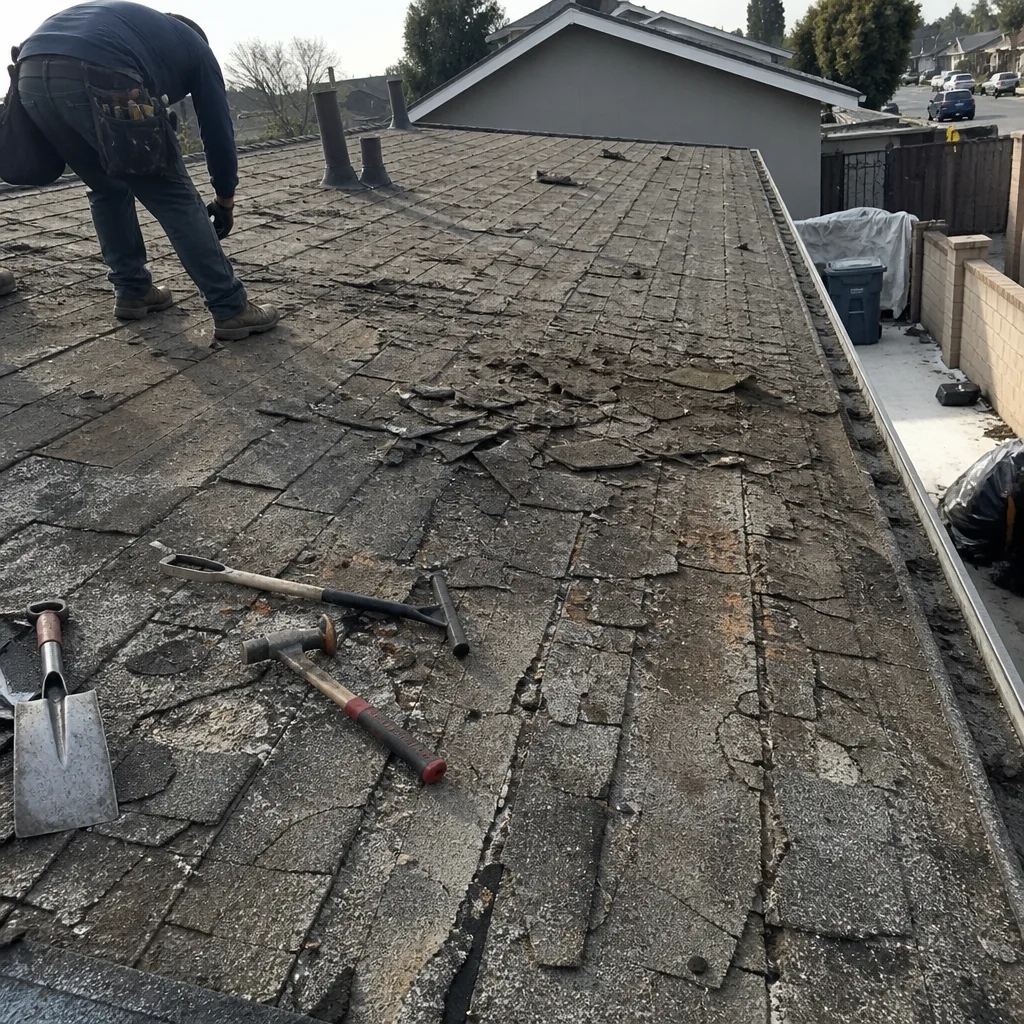 Before
 After
 Before
 After
 Before
 After
When to Call a Professional
Call a professional when the issue involves roof edges, heights, steep pitches, or any situation where you’d need to walk on the surface to diagnose or fix it. Roof work is dangerous work. Falls from roofs cause thousands of serious injuries and deaths every year in the United States, and the risk isn’t worth saving a few hundred dollars. Specifically, call a professional if you see active water intrusion, sagging sheathing, daylight visible through the roof deck from inside the attic, missing shingles or tiles, visible rot at the eaves, or ponding that persists after 48 hours. True North Roof Repair offers free estimates in Norwalk. Call (866) 617-1004 to schedule a roof inspection. We’ll diagnose first, show you what we found, and lay out the options. You choose the path.
Frequently Asked Questions
Most roof repairs in Norwalk cost between $350 and $1,800, with the most common repairs (flashing fixes, vent boot replacement, minor tile work) falling in the $400 to $900 range. Your specific price depends on roof access, material type, and the extent of underlying damage. Call (866) 617-1004 for an exact quote. Estimates are free.
It depends on the repair type, material availability, and current scheduling. A simple flashing repair or vent boot replacement can often be completed same-day once we’re on site. Larger repairs requiring material matching may take a few days to schedule. We won’t rush work to hit an arbitrary deadline. Call (866) 617-1004 to discuss your timeline.
We provide documentation and professional assessments that homeowners can use for their insurance claims. We don’t negotiate with adjusters directly, but we’ll give you an honest, itemized assessment of what failed, why it failed, and what the correct repair scope is. That documentation is what you take to your adjuster. Our goal is to make sure you have accurate information before you file.
No. The price we quote is the price you pay. We write fixed-price quotes with no change orders. If we open up a repair area and find additional hidden damage, we stop work, show you the findings, and get your approval before proceeding at the revised number. We never spring surprise costs at the end.
We stock and install materials from seven leading manufacturers: GAF, CertainTeed, Owens Corning, IKO, Atlas, Tamko, and Boral. That means your repair or replacement can be matched to your budget, climate needs, and aesthetic preferences rather than being limited to one brand. For Norwalk’s climate, we often recommend specific products from Boral for tile roofs and Tamko for asphalt systems where wind uplift resistance is a priority. The right material for the conditions matters more than brand loyalty.
A professional inspection is the answer. The key factors are roof age, the number and location of failure points, granule condition, the presence of rot, and your timeline for staying in the home. Our repair-first philosophy means we’ll recommend a repair if a repair is the right scope. A $600 flashing fix on a roof with 8 years remaining is the right call. A $600 patch on a roof that will fail again within 18 months is not. Call (866) 617-1004 to get an honest assessment either way.
The Bottom Line
Roof repair in Norwalk is a climate-specific problem requiring a Norwalk-informed approach. The marine layer accelerates hidden moisture damage. Santa Ana winds strip granules and break seals at 40+ mph. Low-slope sections from mid-century construction pond water and fail at the seams. The difference between a $500 repair and a $15,000 replacement often comes down to catching failures early, addressing them at the correct scope, and working with a contractor who diagnoses before quoting. True North Roof Repair works with seven top-tier brands and one accountable crew from inspection to repair to replacement. Know exactly where you stand before spending a dollar. Call (866) 617-1004 to schedule your free estimate.
Written by the team at True North Roof Repair, serving Norwalk since 2016.