Last updated October 31, 2026
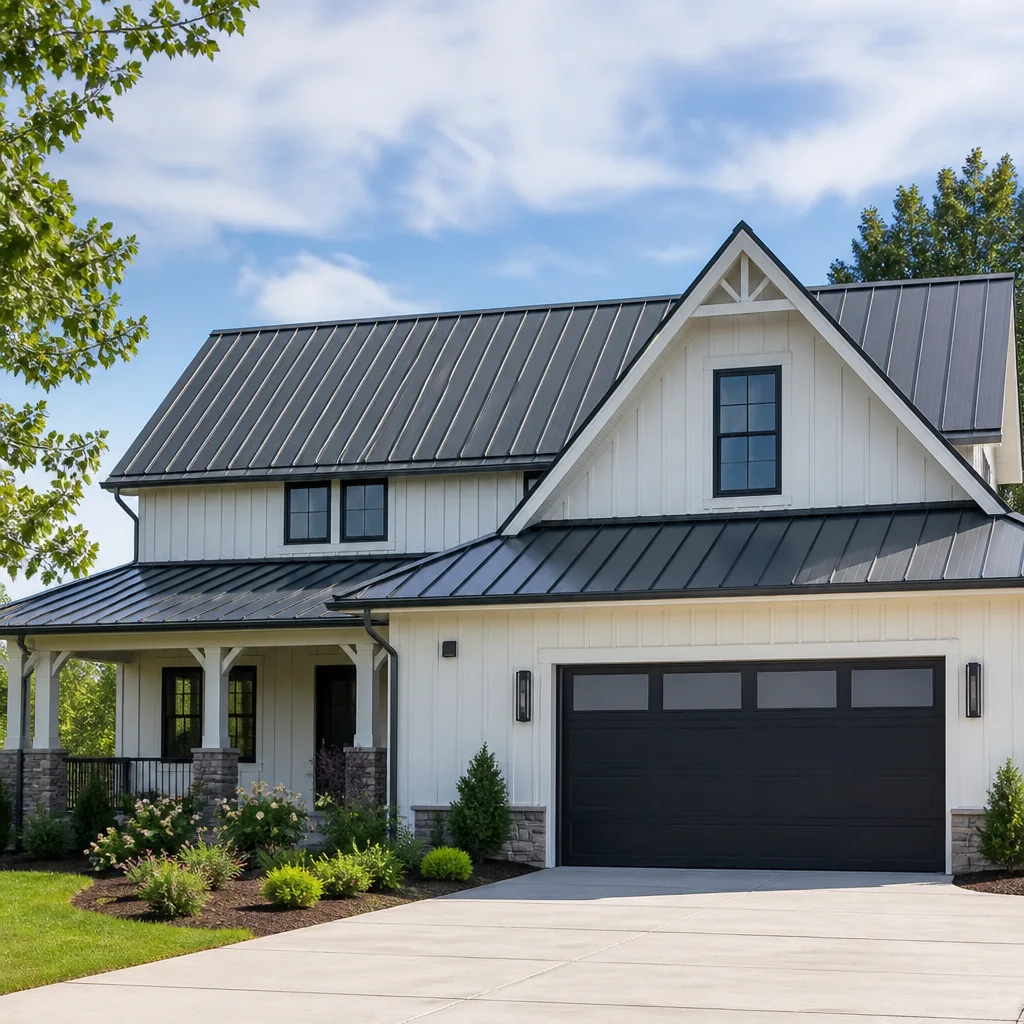 Metal roofing
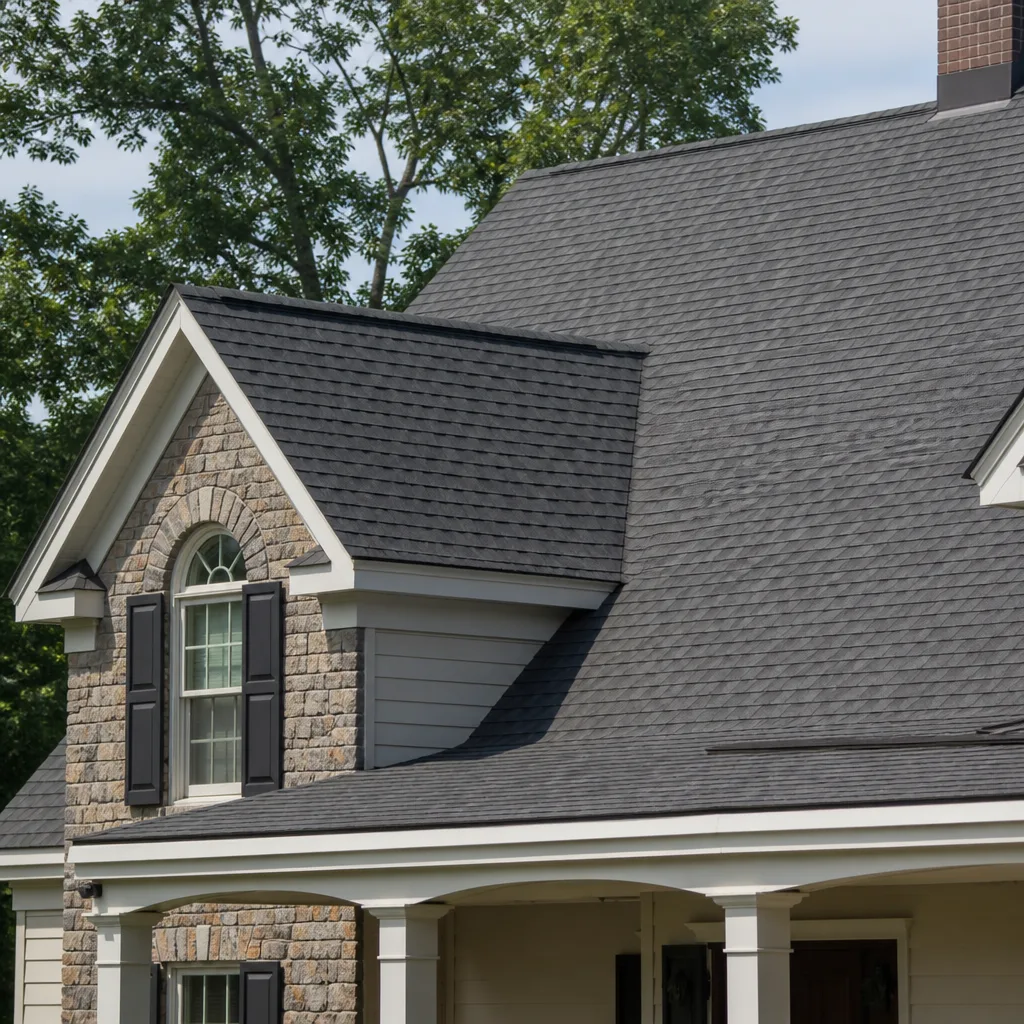 Architectural shingles
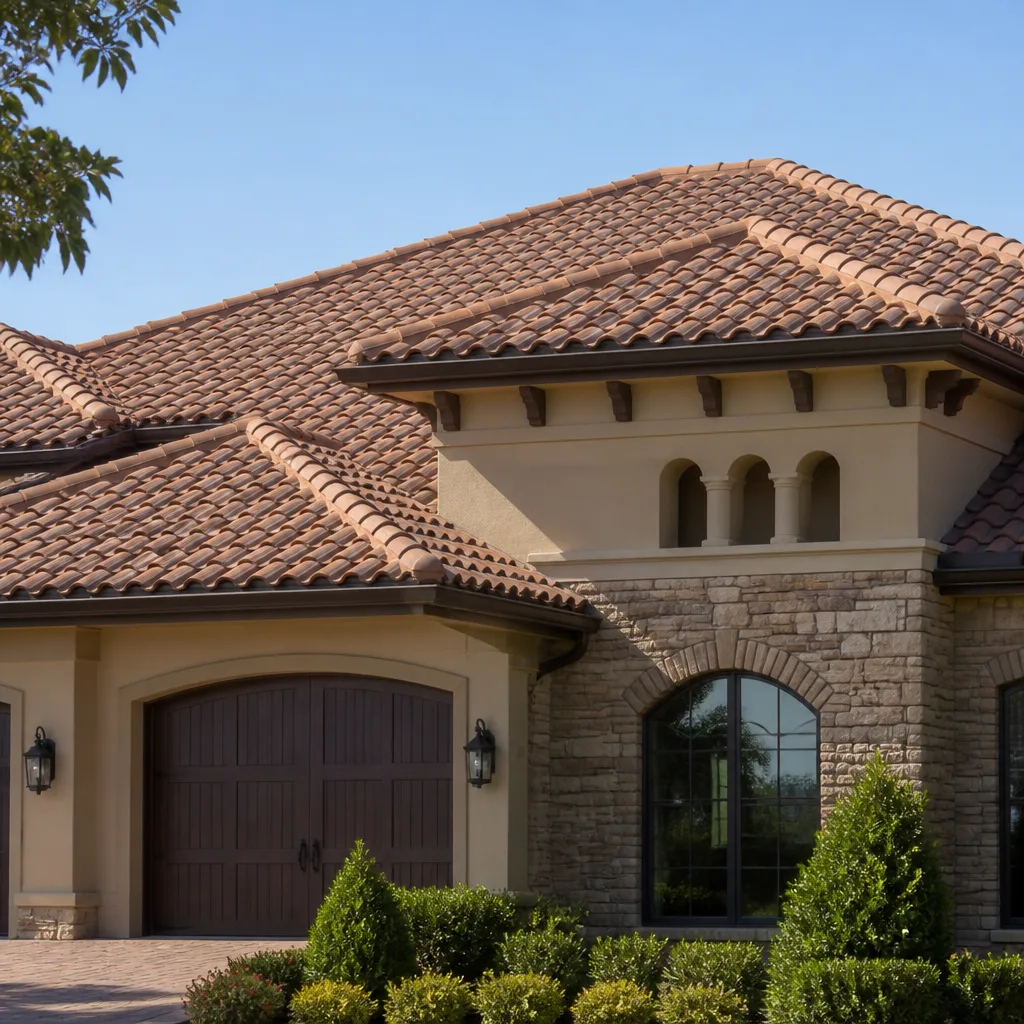 Tile roofing
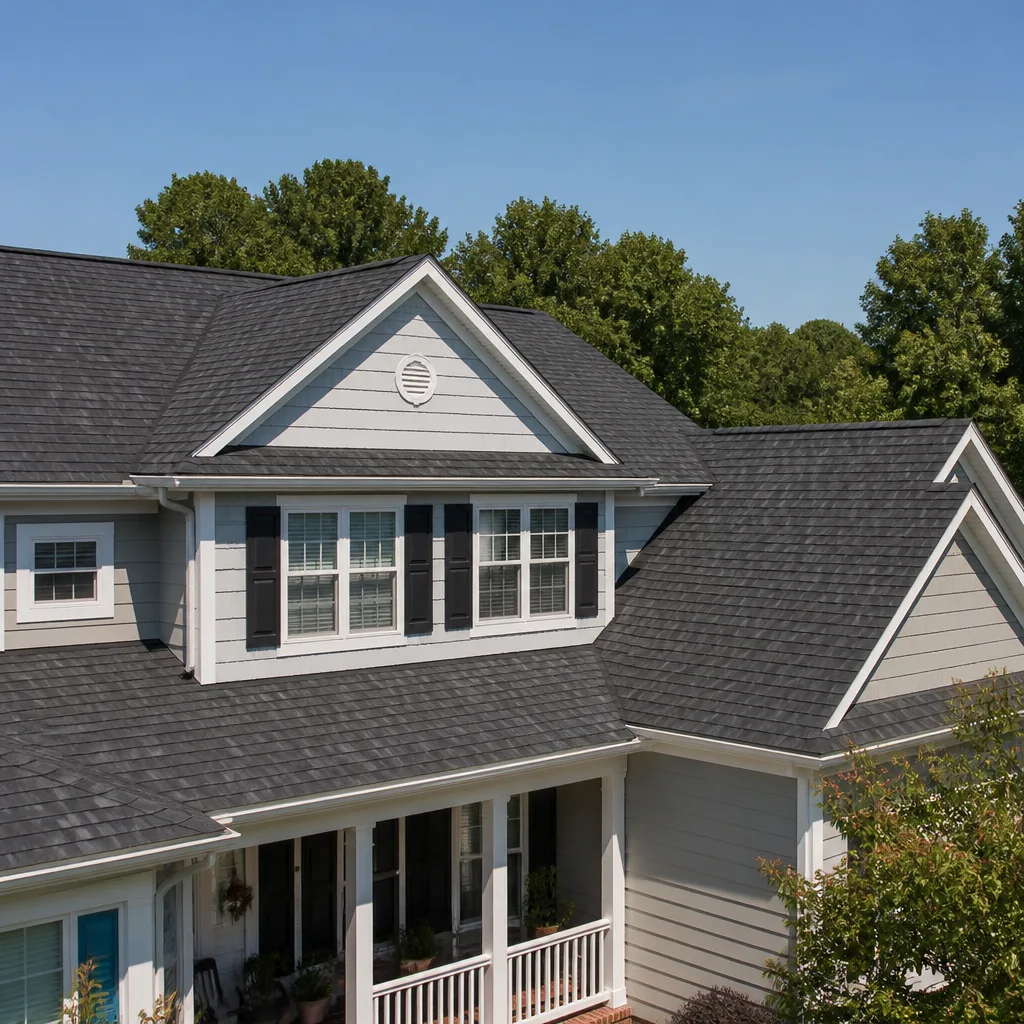 GAF
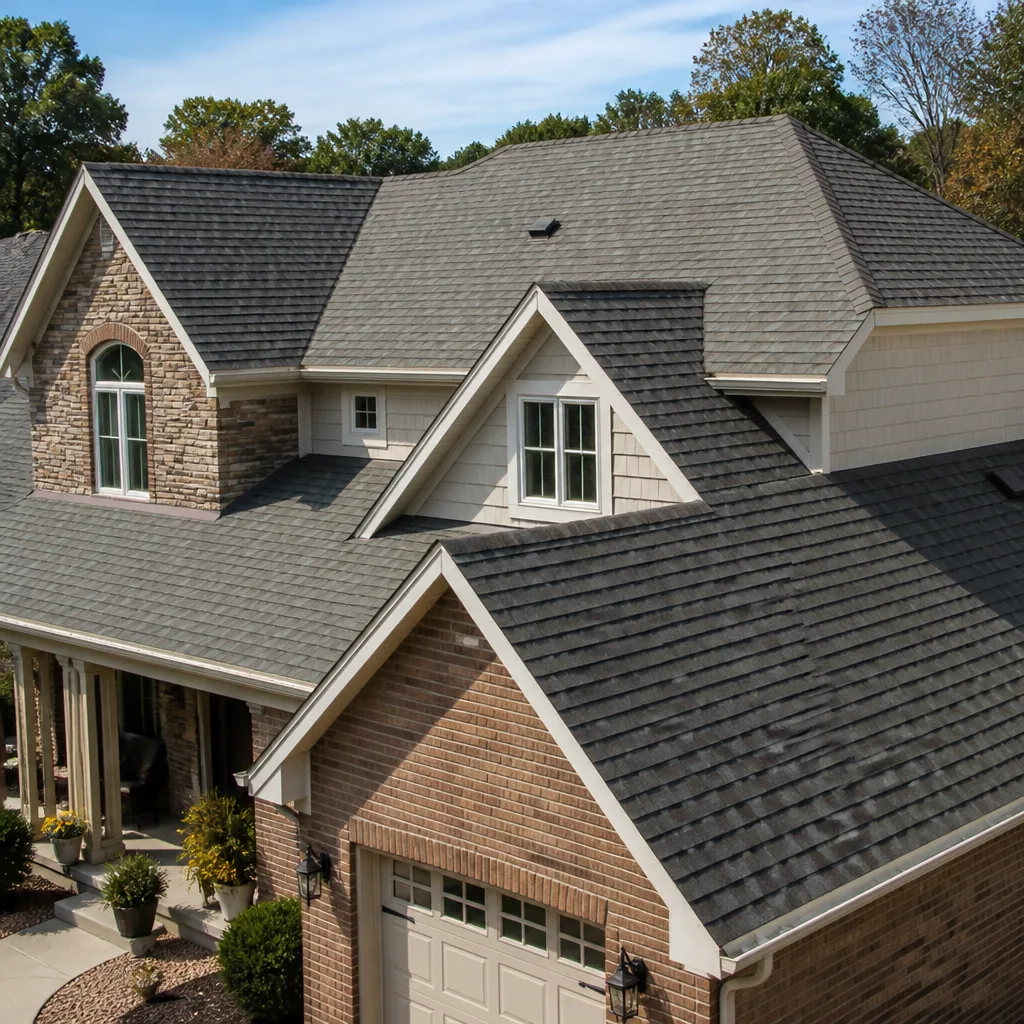 Owens Corning
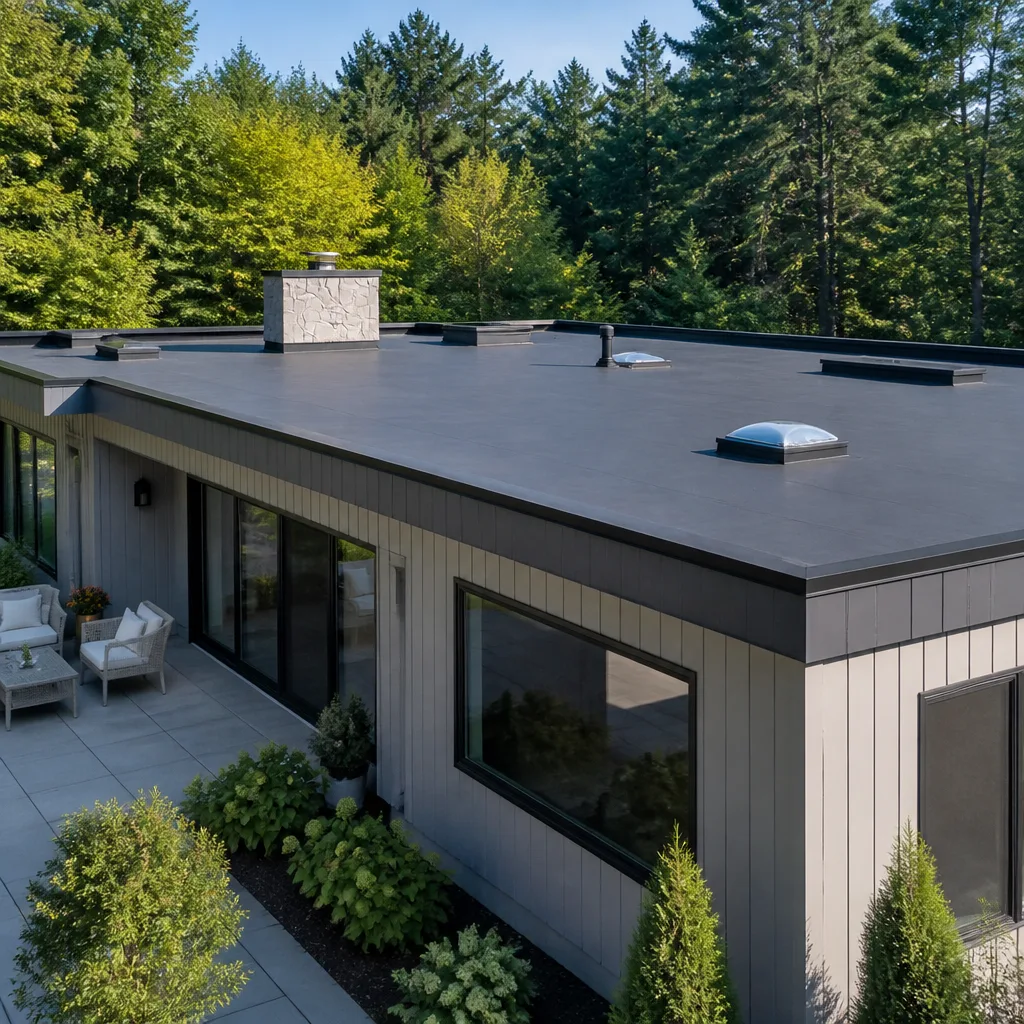 Flat & low-slope
Free roof inspection with deck photos before we talk money - GAF and Owens Corning certified installation
DIY vs Professional Roofing: The Norwalk Homeowner’s Decision Guide
Here’s a fact most DIY roofing guides won’t tell you: a DIY shingle repair in California can legally void the manufacturer’s material warranty. Not because you did it wrong, but because most manufacturer warranty terms require certified contractor installation as a condition of coverage. Add in California’s building code requirements, homeowner’s insurance fine print, and Norwalk’s specific mix of flat, low-slope, and pitched roofs, and the “save a few bucks” calculation gets complicated fast. This guide walks through exactly where the line sits between what a careful Norwalk homeowner can reasonably handle and what genuinely requires a licensed professional, so you can make the call with your eyes open.
Quick Answer
Most roofing work in Norwalk should be handled by a licensed professional. The genuinely DIY-safe tasks are limited to gutter cleaning, debris removal, visual inspection, and minor caulking around vents and flashing. Anything involving shingle replacement, membrane patching, flashing repair, or structural work crosses into licensed contractor territory under California law, voids manufacturer warranties when done unpermitted or uncertified, and can create insurance coverage gaps if a future claim traces back to the unpermitted work. True North Roof Repair offers free estimates in Norwalk, so a professional opinion costs you nothing before you commit to any path.
Styles & brands we work with
Table of Contents
- What California Law Says About DIY Roofing
- What You Can Genuinely Do Yourself (And What You Can’t)
- Manufacturer Warranty Implications of DIY Work
- How Homeowner’s Insurance Treats DIY Roofing Repairs
- Norwalk Roof Profiles: Where DIY Margin for Error Disappears
- The Decision Framework: Handle It or Hire It Out
- The Real Cost Comparison: DIY vs Professional in Norwalk
- Common Mistakes to Avoid
- When to Call a Professional
- Frequently Asked Questions
What California Law Says About DIY Roofing
California treats roofing differently than most other home improvement work, and that distinction matters more than most homeowners realize. Under the California Business and Professions Code, any roofing project valued at $500 or more in labor and materials requires a contractor holding a C-39 Roofing Contractor license. That’s the legal threshold, not a suggestion. An owner-builder exemption exists if you live in the home and do the work yourself, but it comes with strings: you must sign a declaration stating you understand the risks, you’re responsible for code compliance, and if you sell the home within a year, you may be required to prove the work was done to code.
What does this mean practically in Norwalk? If your roof needs more than a tube of caulk and you’re not prepared to pull a permit, pass inspection, and document everything, you’re in licensed-contractor territory by default. The city of Norwalk enforces California Building Standards Code Title 24, which governs everything from roofing material fire ratings to underlayment specifications. A homeowner who re-shingles without a permit creates a paper trail problem down the line: when you sell, the buyer’s inspector may flag unpermitted work, and the buyer can demand a retrofit or a price concession.
We’ve seen this play out in Norwalk neighborhoods from the Civic Center area to the neighborhoods east of the 605. A homeowner patches a section of roof with mismatched shingles, sells the house three years later, and the transaction stalls at inspection because the roof doesn’t meet current fire rating requirements for the area. The fix costs more than the original DIY savings. The safer approach is to check with a Roof Inspection in Norwalk professional before undertaking any work that touches the roof system beyond surface cleaning.
The permit question is where many DIY plans collapse. In Norwalk, a roofing permit requires submitting plans, passing inspection at multiple stages, and proving the work meets current code. Contractors do this routinely. Homeowners rarely do, and an incomplete permit application is a flag for code enforcement. The practical line: if the work requires a permit, it requires a professional.
What You Can Genuinely Do Yourself (And What You Can’t)
Let’s be straight about what’s actually reasonable for a homeowner in Norwalk. There’s a narrow band of maintenance tasks that are genuinely DIY-appropriate, and doing them well genuinely extends your roof’s life. Then there’s everything else.
Genuinely DIY-Appropriate Tasks in Norwalk
- Gutter cleaning: Norwalk’s mature trees, especially the eucalyptus and liquidambar varieties common in older neighborhoods, drop leaves and debris year-round. Clogged gutters back water onto the roof edge and into the fascia. Cleaning them twice a year is safe, simple, and genuinely protective.
- Debris removal: Branches, leaves, and wind-blown debris sitting on the roof hold moisture against the surface. Using a leaf blower from a ladder (never from the roof surface itself) is reasonable. Walk on a Norwalk roof only if it’s low-slope and you know where the supports are. Most roofs aren’t designed for foot traffic.
- Visual inspection from the ground or from a ladder: You can spot missing shingles, lifted flashing, clogged drains, and obvious signs of wear without ever stepping onto the roof surface. Binoculars help. This is the single most valuable thing a homeowner can do: catching problems early, before they become leaks.
- Minor caulking: Resealing a small gap around a vent pipe or a nail pop with a roofing-grade sealant is within reach for a careful homeowner. The key word is minor. If you can cover the problem with a bead of caulk in a single pass, it’s DIY territory. Anything larger is not.
What Crosses Into Licensed Contractor Territory
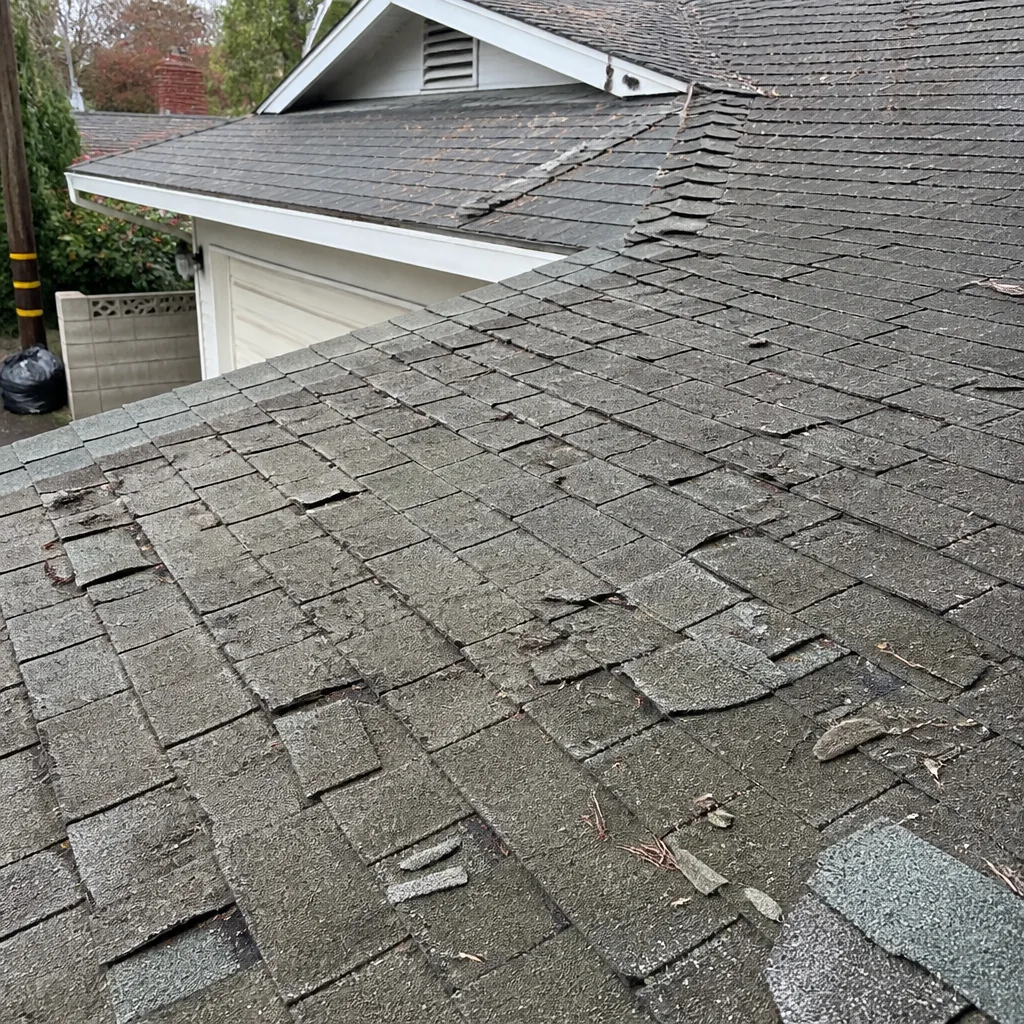
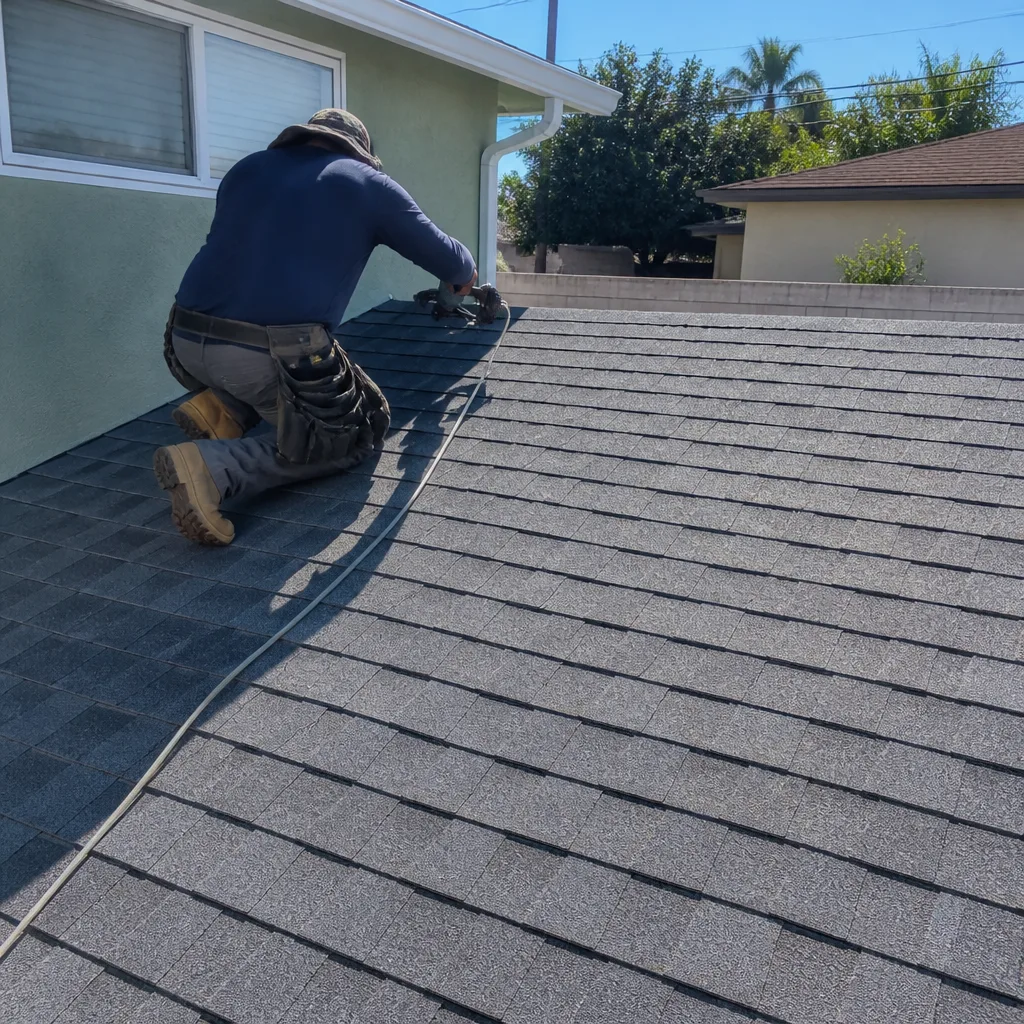
- Shingle repair or replacement: Once shingles are lifted, removed, or replaced, you’re altering the roof system. California requires a licensed contractor for this work when it exceeds $500 in value, and manufacturer warranties hinge on certified installation.
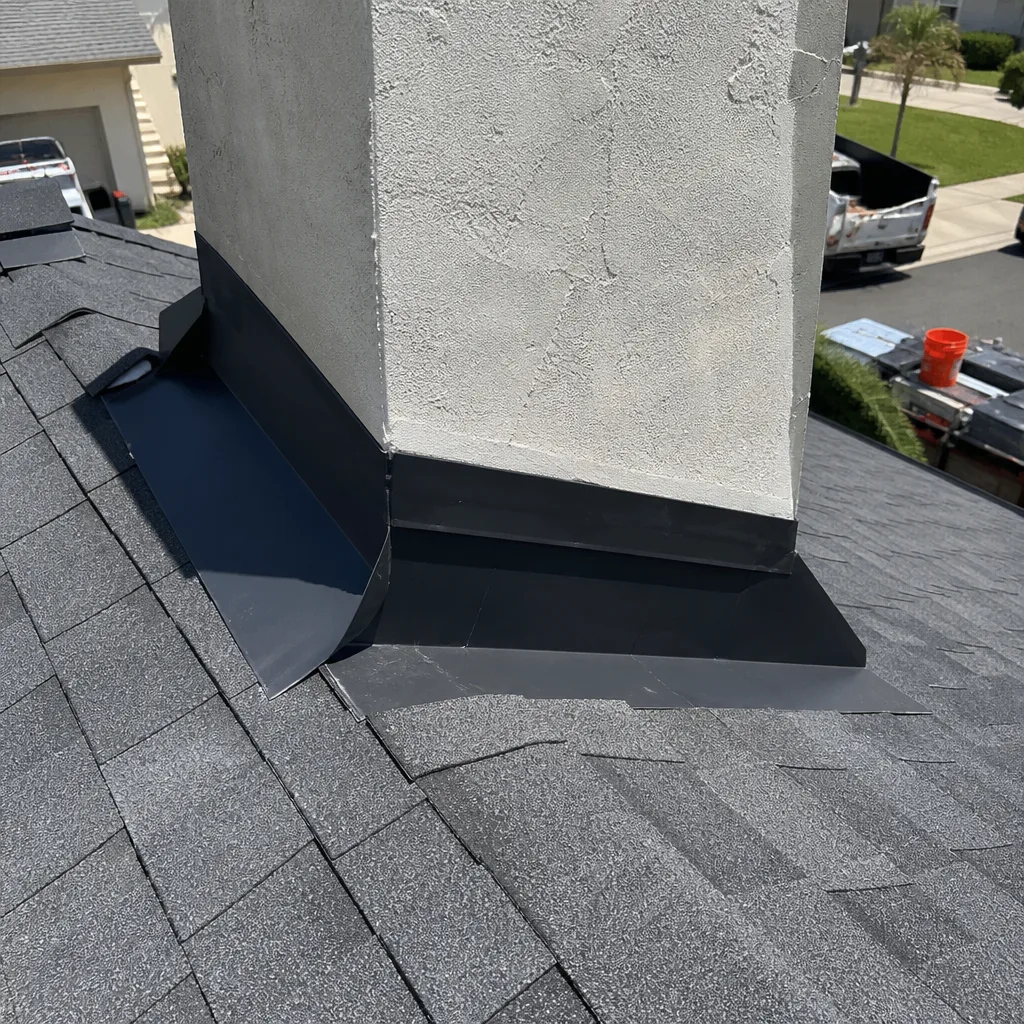
- Flashing repair: Flashing around chimneys, skylights, vents, and wall intersections is where most leaks originate. Improper flashing repair is the number one cause of repeat leaks we see in Norwalk homes. This is precision work.
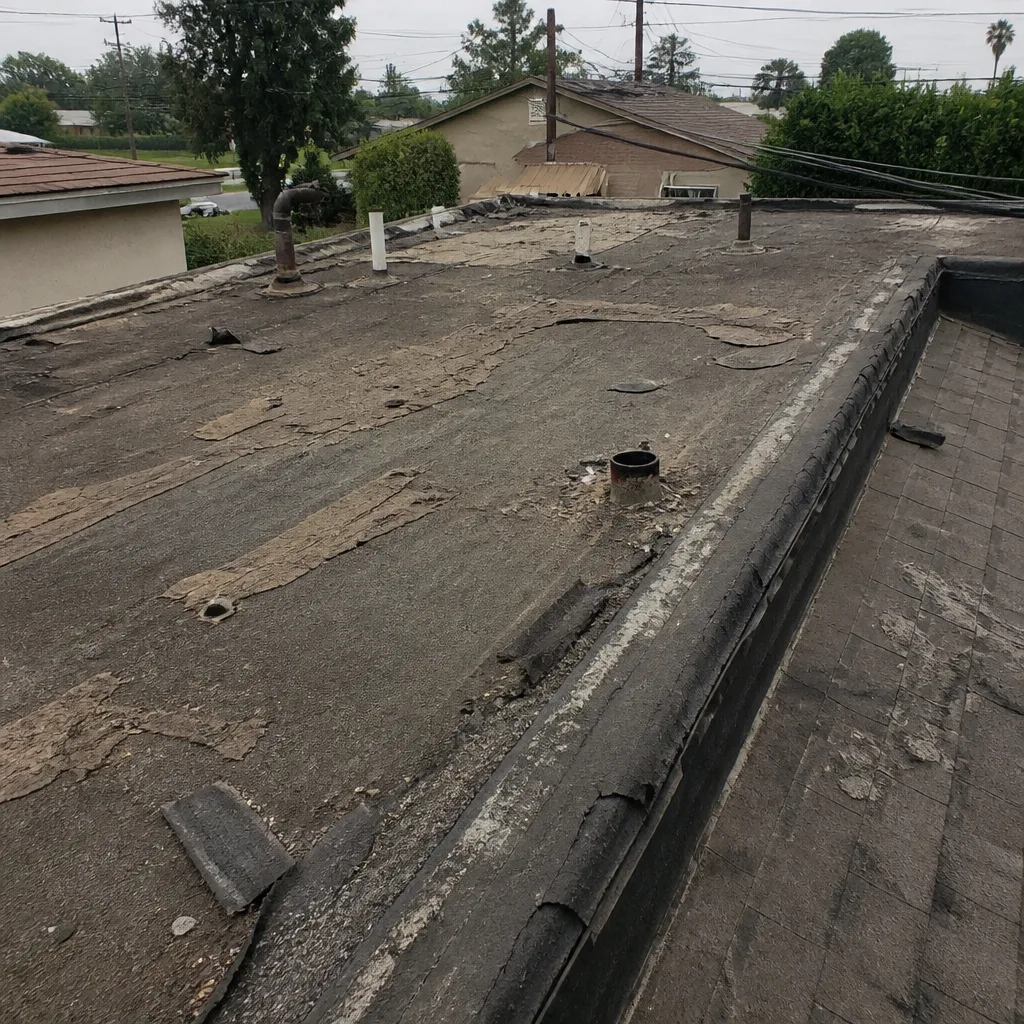
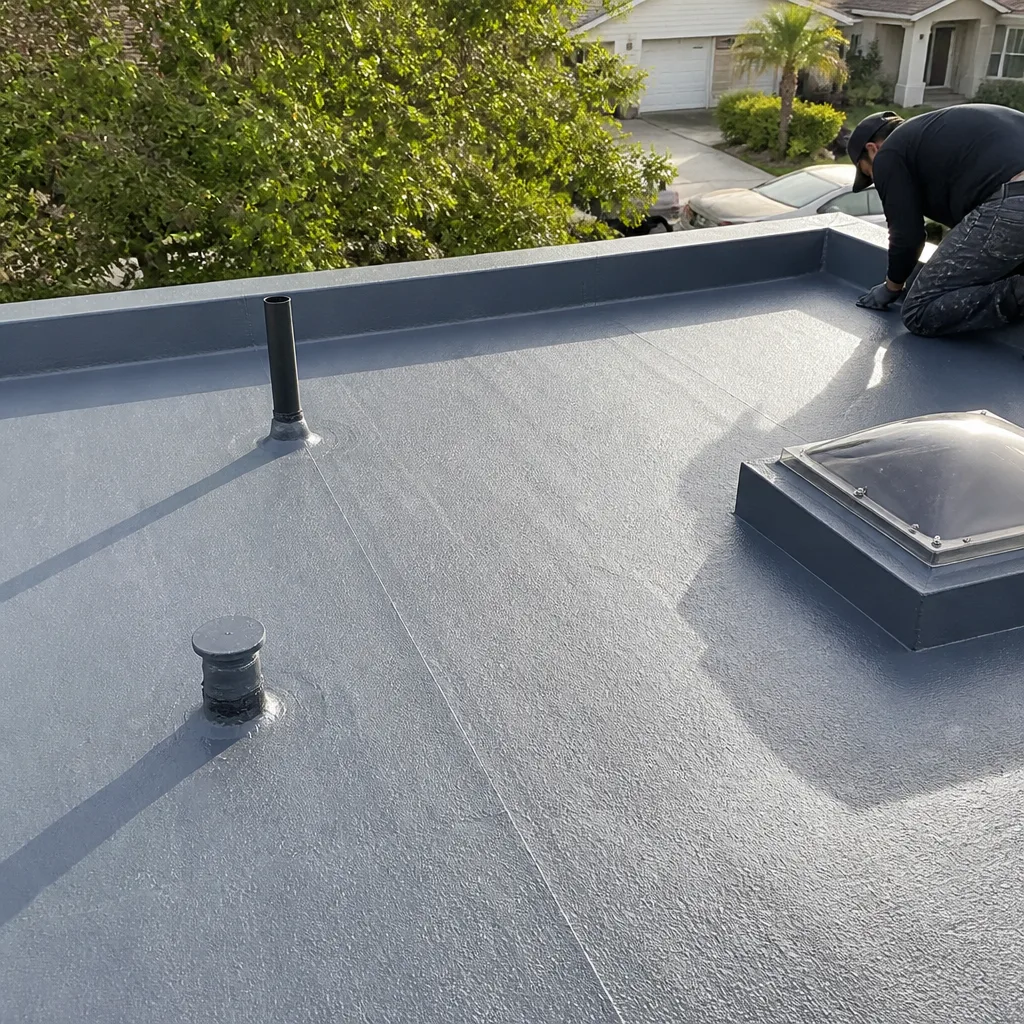
- Membrane patching on flat or low-slope roofs: Norwalk has a significant stock of flat and low-slope roofs, especially on mid-century homes south of Rosecrans Avenue. Membrane systems (modified bitumen, TPO, EPDM) require specific materials, proper surface preparation, and seam-welding technique. A homeowner’s patch job almost always fails within a season or two.
- Any structural work: If decking, rafters, or trusses are involved, this is structural. It requires engineering judgment and a permit. Full stop.
- Re-roofing of any kind: The entire roof system, from underlayment to top layer, falls under the $500+ contractor requirement. This is never a DIY project in California.
The honest take: the DIY band is narrow. Gutter maintenance and visual inspection are genuinely useful skills. Everything else carries compounding risk, and the risk isn’t just to the roof, it’s to your insurance coverage, your warranty, and your home’s resale value.
Manufacturer Warranty Implications of DIY Work
This is the section most DIY roofing guides skip, and it’s the one that costs homeowners real money. Roofing material manufacturers structure their warranties around certified installation, and a DIY repair can void coverage on the entire roof, not just the patched section.
Let’s decode how the major brands actually word their requirements. GAF’s limited lifetime shingle warranty requires installation by a contractor certified through the GAF certification program for the full coverage to apply. If a homeowner installs GAF shingles themselves, the warranty drops to a limited material-only coverage, and any repair a homeowner performs on an existing GAF roof can void the remaining warranty. CertainTeed operates similarly: their SureStart and SureStart Plus warranties require installation by a CertainTeed credentialed contractor, and homeowner-installed material is specifically excluded from enhanced coverage. Tamko’s limited warranty language contains an installation clause that voids coverage when the work isn’t performed by a licensed roofing professional. Boral’s tile roofing warranties are equally specific, requiring certified installation for the full coverage period.
What does this mean for a Norwalk homeowner doing a DIY repair? Imagine you have a seven-year-old roof with a 30-year material warranty, and you patch a damaged section yourself. Six months later, a wind storm lifts shingles in an entirely different area. When you file a warranty claim, the manufacturer’s inspector sees evidence of non-certified work on the roof. The claim is denied, and the remaining 23 years of warranty coverage evaporates. That’s not a hypothetical. That’s how these clauses are written and enforced.
Even homeowner maintenance is narrowly defined. Most manufacturers allow cleaning and debris removal, but anything involving tools on the roof surface, adhesive, sealant, or fasteners crosses into “alteration” territory. The warranty language is deliberately strict because manufacturers can’t warranty materials installed or modified by people they haven’t trained.
This is one of the strongest practical arguments for professional Roof Repair in Norwalk. When True North Roof Repair works with seven major brands, including GAF, CertainTeed, Tamko, and Boral, the installation standards meet each manufacturer’s certification requirements. The warranty stays intact. The coverage continues. For a major asset like a roof, that continuity matters.
How Homeowner’s Insurance Treats DIY Roofing Repairs
Your homeowner’s insurance policy is a contract with specific exclusions, and DIY roofing work sits in a gray area that insurers resolve in their favor when a claim arises. Understanding exactly where the coverage gaps appear is essential before you pick up a hammer.
The core issue is the “negligent work” exclusion. Standard homeowner’s policies cover sudden and accidental damage: a tree falls, wind tears off shingles, hail damages the tile. But if water damage results from a repair you performed improperly, the insurer can deny the claim on the grounds that the damage was caused by faulty workmanship, not a covered peril. The denial doesn’t require proof of gross negligence. A modest installation error is sufficient.
The second problem is the “unpermitted work” clause. If you perform structural roofing work without a permit and later file a claim for related damage, the insurer may deny the claim and potentially cancel the policy or raise rates when they discover the unpermitted modification. In Norwalk, where building permits are a matter of public record, unpermitted roofing work is discoverable.
The third issue is subrogation. If your DIY repair causes a leak that damages a neighbor’s property (common in Norwalk’s zero-lot-line and closely spaced housing stock, particularly in the denser developments east of the 605), your insurer may pay the neighbor’s claim and then pursue you personally for reimbursement. Professional contractors carry liability insurance specifically for this scenario. Homeowners generally don’t, so the exposure is personal.
The practical advice: before you do any roofing work beyond cleaning, call your insurance agent and ask directly whether the specific task would affect your coverage. Document the answer. If the agent hesitates, recommends against it, or says they’d need to check with underwriting, take that as a signal that the work falls into the professional column. The conversation costs you ten minutes. The alternative can cost you a denied claim.
Norwalk Roof Profiles: Where DIY Margin for Error Disappears
Norwalk’s housing stock isn’t uniform, and the roof profile on your home changes the DIY calculus significantly. A careful homeowner working on a simple pitched asphalt roof faces different risks than one working on a flat membrane roof, and it’s worth understanding exactly where your home sits on that spectrum.
The older neighborhoods in Norwalk, particularly the post-war tract developments west of the 605 and south of Firestone Boulevard, feature a mix of low-slope and flat roofs. Many of these mid-century homes were built with built-up roofing (BUR) or modified bitumen systems that were state-of-the-art in 1955 but require specific maintenance knowledge today. A flat roof has almost no margin for error: a 2% slope means water moves slowly, and any imperfection in a patch becomes a puddle that eats through the membrane over time. The membrane systems on these roofs require heat-welding or cold-process adhesives with precise application conditions. A Norwalk homeowner working in 90-degree summer heat, trying to patch a modified bitumen roof with a hardware store repair kit, is setting up for a leak within one rainy season.
The newer developments, particularly the tract housing built in the 1980s through 2000s in the central and eastern portions of Norwalk, tend toward pitched roofs with asphalt composition shingles. A pitched roof presents different challenges: the slope creates traction and safety issues, the shingle nailing pattern matters for wind resistance, and the underlayment specifications vary by slope. A shingle that’s nailed in the wrong location or with the wrong nail type will fail early, and the homeowner won’t know until the next Santa Ana wind event lifts an entire section.
Norwalk’s specific climate creates additional variables. The hot, dry summers with occasional Santa Ana winds put thermal stress on roofing materials in a way that coastal communities don’t experience. The winter rains, while modest compared to Northern California, are concentrated and intense. A roof that works fine through nine months of dry weather fails dramatically in the first sustained rain. The real test of any repair isn’t the day it’s done, it’s the February rain that runs for three days straight.
For homes with tile roofs, which appear in some of Norwalk’s higher-end developments, the DIY case collapses entirely. Tile roofing requires specific underlayment systems, correct fastening patterns, and careful walking technique to avoid cracking tiles. A cracked tile that’s replaced incorrectly allows water to migrate under the tile field, silently rotting the decking. By the time you see the damage from inside, the repair is structural, not cosmetic.
The Decision Framework: Handle It or Hire It Out
Rather than treating DIY vs. professional as a philosophical question, we recommend a concrete decision framework based on three variables: roof age, damage type, and project scope. Here’s how to map your specific situation.
Step 1: Assess Roof Age
- Under 10 years old: The roof is likely under manufacturer warranty. Any DIY work voids or compromises that warranty. Professional repair is almost always the right call because the warranty value exceeds the DIY savings.
- 10 to 20 years old: The roof is in its mid-life. Minor issues are expected, but the margin for error matters because the roof needs to last another decade. Professional inspection is warranted before any repair decision.
- Over 20 years old: The roof is approaching replacement territory. DIY repairs on an aging roof are a poor investment because the underlying system is degraded. If you’re spending time and money patching, you should be comparing a Roof Replacement in Norwalk quote instead.
Step 2: Identify Damage Type
- Cosmetic or surface-level (small caulk gap, minor debris buildup): DIY-appropriate if you’re comfortable on a ladder and the work is genuinely minor.
- Localized material damage (one or two missing shingles, a small membrane tear): Professional repair recommended for warranty and insurance reasons. The cost is modest, and the risk of a bad DIY patch isn’t justified.
- Widespread or structural damage (multiple missing shingles, sagging, visible decking, water stains on interior ceilings): Professional repair or replacement required. This is the category where delay is genuinely expensive.
Step 3: Define Project Scope
- Maintenance-only (cleaning, visual inspection, minor caulking): DIY-appropriate and genuinely valuable. Do this twice a year in Norwalk: after the winter rains and before the summer heat.
- Repair-work (any material replacement, flashing work, membrane patching): Professional territory under California law and manufacturer warranty terms. This is the category where True North Roof Repair’s Roof Repair in Norwalk service applies.
- Replacement (full re-roof or major section replacement): Professional only. There is no DIY path that preserves warranty, insurance coverage, or code compliance. A full Roof Replacement in Norwalk requires permits, inspections, and certified installation.
If the framework says “hire it out,” the next step is getting a professional inspection to define the scope correctly. True North Roof Repair’s standalone Roof Inspection in Norwalk service exists for exactly this purpose: diagnosing the problem before any money is committed to materials or labor.
The Real Cost Comparison: DIY vs Professional in Norwalk
The DIY pitch usually starts with the math: materials cost less, labor is free, and the savings are apparent. But the honest comparison includes the risks and the hidden costs, and when you lay those out side by side, the picture changes.
Let’s take a typical Norwalk scenario: a homeowner finds a small leak around a vent pipe on a 15-year-old asphalt shingle roof. The DIY path involves buying a tube of roofing sealant, caulk, and a few replacement shingles. Total cost: $50 to $150. The professional path involves a repair call, which in the Norwalk market typically runs $300 to $700 for a vent pipe flashing replacement, depending on access and condition. So the DIY savings is $150 to $550 on paper.
But the comparison only holds if the DIY repair works. Vent pipe flashing is one of the most common leak sources in Norwalk homes, and a partial repair that doesn’t address the underlying flashing failure simply moves the leak. The water continues to damage decking and insulation, and the eventual professional repair is more expensive because the damage has spread. The real cost of a failed DIY repair isn’t the $150 you spent, it’s the additional $500 to $1,500 in professional repair costs plus the water damage to the home interior.
Then there’s the warranty cost. A professional repair on a 15-year-old roof may not restore the full warranty, but a DIY repair definitively voids any remaining coverage. If the roof fails catastrophically a year later, the professional route preserves the option of a warranty claim or at least a documented repair history. The DIY route leaves you with no coverage and no recourse.
The insurance cost is harder to quantify but potentially the largest item. A denied water damage claim due to unpermitted or faulty DIY work can mean $5,000 to $50,000 in unreimbursed expenses, depending on the severity. That’s not a theoretical risk. It’s a clause in your policy.
The honest summary: DIY roofing in Norwalk is cheaper only when nothing goes wrong. When something goes wrong, the cost multiplies quickly, and the homeowner bears the full financial weight without warranty or insurance backstops. A professional repair costs more upfront but transfers the risk to a licensed contractor who carries liability insurance and is accountable for the workmanship.
Common Mistakes to Avoid
- Assuming a hardware store patch kit works on any roof type. Norwalk homes run the gamut from modified bitumen flat roofs to asphalt shingle pitched roofs to concrete tile. A patch kit designed for one material applied to another is a guaranteed failure, often within months.
- Walking on the roof without knowing the support structure. Most Norwalk roofs aren’t designed for foot traffic. Walking between supports on a flat roof can crack the decking. Walking carelessly on a tile roof can crack dozens of tiles. Roof access is a skill, not a given.
- Ignoring the permit requirement. Any roofing work beyond minor maintenance triggers California’s $500 threshold for licensed contractor work. Unpermitted work surfaces at sale time, during insurance claims, and during code enforcement inspections.
- Voiding the manufacturer warranty without realizing it. A single DIY shingle replacement can void the warranty on the entire roof. Homeowners rarely read the warranty language before starting the work, and they find out the coverage is gone only when they need it.
- Underestimating Norwalk’s intense summer heat. Working on a roof in 95-degree heat isn’t just uncomfortable, it’s medically dangerous. Heat exhaustion sets in faster than most people expect, and a roof surface can reach 140 degrees or more. Professional crews plan around heat, use proper PPE, and know the warning signs.
- Deferring a professional inspection after finding damage. The most expensive roofing problems in Norwalk are the ones that started small and were ignored. A $50 caulking job deferred becomes a $500 flashing repair, which deferred becomes a $5,000 decking replacement. Early intervention is always cheaper.
- Assuming all roofing contractors push replacement. Some do, but the model is changing. A Roof Inspection in Norwalk focused on diagnosis rather than sales, a repair-first philosophy, and transparent pricing are standards you should expect. The solution is to find a contractor you trust, not to avoid contractors entirely.
When to Call a Professional
If you’ve read this far and you’re still unsure where your project lands, here’s the short version. Call a professional if: the roof is under manufacturer warranty and you want to keep it that way, the damage requires any material replacement, you see water stains on interior ceilings or walls, the roof is over 15 years old, you’re planning to sell the home within the next five years, or you’ve already attempted a repair and it didn’t hold. These scenarios share a common thread: the cost of getting it wrong exceeds the cost of getting it done correctly the first time. True North Roof Repair offers free estimates in Norwalk, call (866) 617-1004 to schedule a professional inspection and get a written line-item quote with no obligation.
Frequently Asked Questions
A typical roof repair in Norwalk runs $300 to $1,500 depending on the damage type and accessibility. Minor flashing repairs and small shingle replacements sit at the lower end. Membrane patches, extensive flashing work, and repairs requiring roof access equipment fall at the higher end. Call (866) 617-1004 for an exact quote; estimates are free.
Technically yes, but doing so likely voids your manufacturer’s warranty and exposes you to liability under California’s $500 contractor threshold. The safest path is professional repair, and in most cases the cost is modest relative to the risk.
Gutter cleaning, debris removal from the roof surface using a leaf blower from a ladder, visual inspection from the ground, and minor caulking around vents and flashing joints are the realistic DIY tasks. Anything involving tools on the roof surface, material replacement, or flashing work crosses into professional territory.
Typically no. Standard policies exclude damage caused by faulty workmanship, and unpermitted modifications can lead to claim denial or policy cancellation. If your DIY repair causes water damage, expect the insurer to deny the interior damage claim on workmanship grounds.
The buyer’s inspector may flag the unpermitted work, and the buyer can demand a retrofit to current code or a price concession. In Norwalk’s competitive housing market, unpermitted roofing work is a common reason transactions stall or fall through entirely.
Yes. A standalone roof inspection in Norwalk typically costs a few hundred dollars and identifies problems before they become leaks. For an aging roof, an annual inspection is cheap insurance, especially before the winter rain season. Call (866) 617-1004 to schedule one.
The Bottom Line
DIY roofing in Norwalk is a narrower path than most homeowners assume. The genuinely DIY-safe tasks are maintenance-oriented: gutters, debris, visual checks, minor caulking. Everything else carries compounding risk through California licensing requirements, manufacturer warranty clauses, insurance exclusions, and the unforgiving nature of Norwalk’s mixed roof stock. The homeowner who wins isn’t the one who avoids professional help. It’s the one who knows where the line sits, maintains what’s maintainable, and hires a licensed roofing specialist when the work crosses into professional territory. The free estimate exists for exactly this reason. You can know exactly where you stand before spending a dollar.
Written by the team at True North Roof Repair, serving Norwalk since 2016.
See the difference
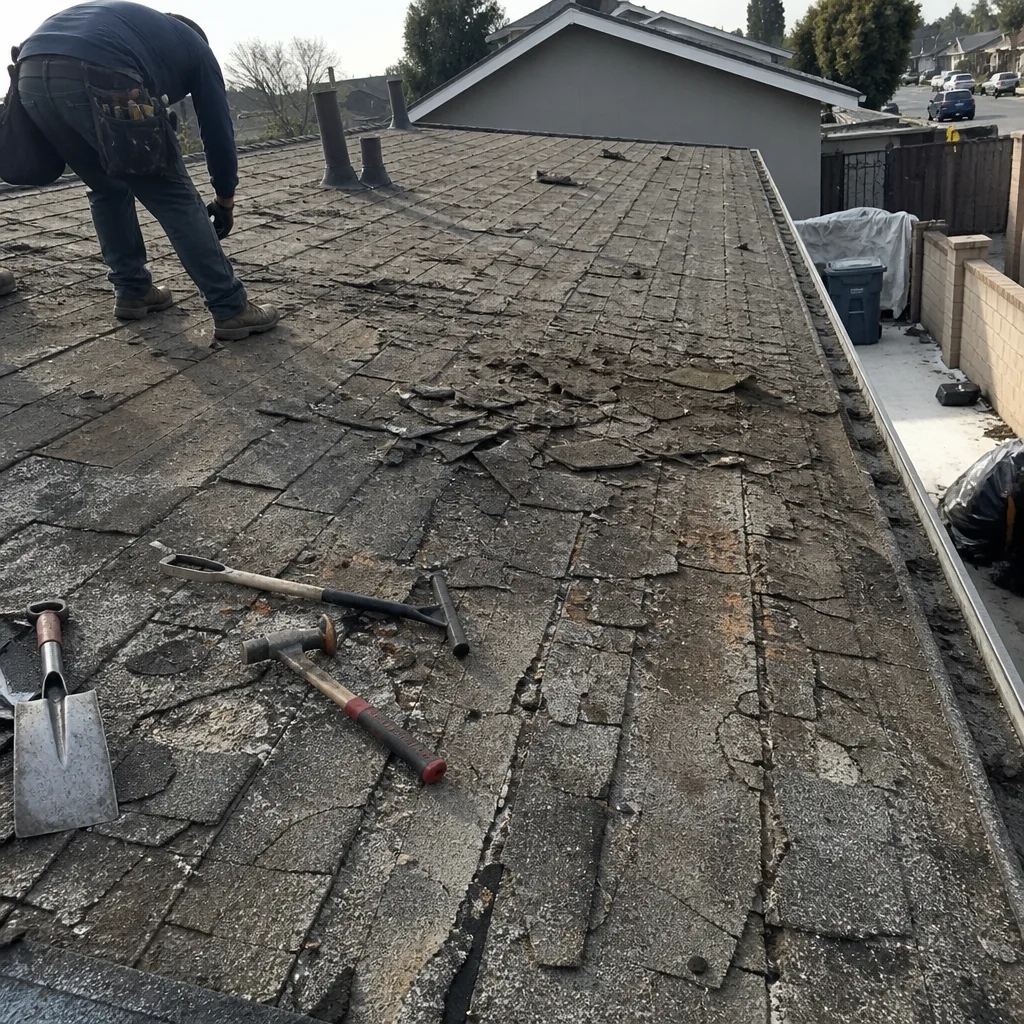 Before
 After
 Before
 After
 Before
 After