Last updated October 31, 2026
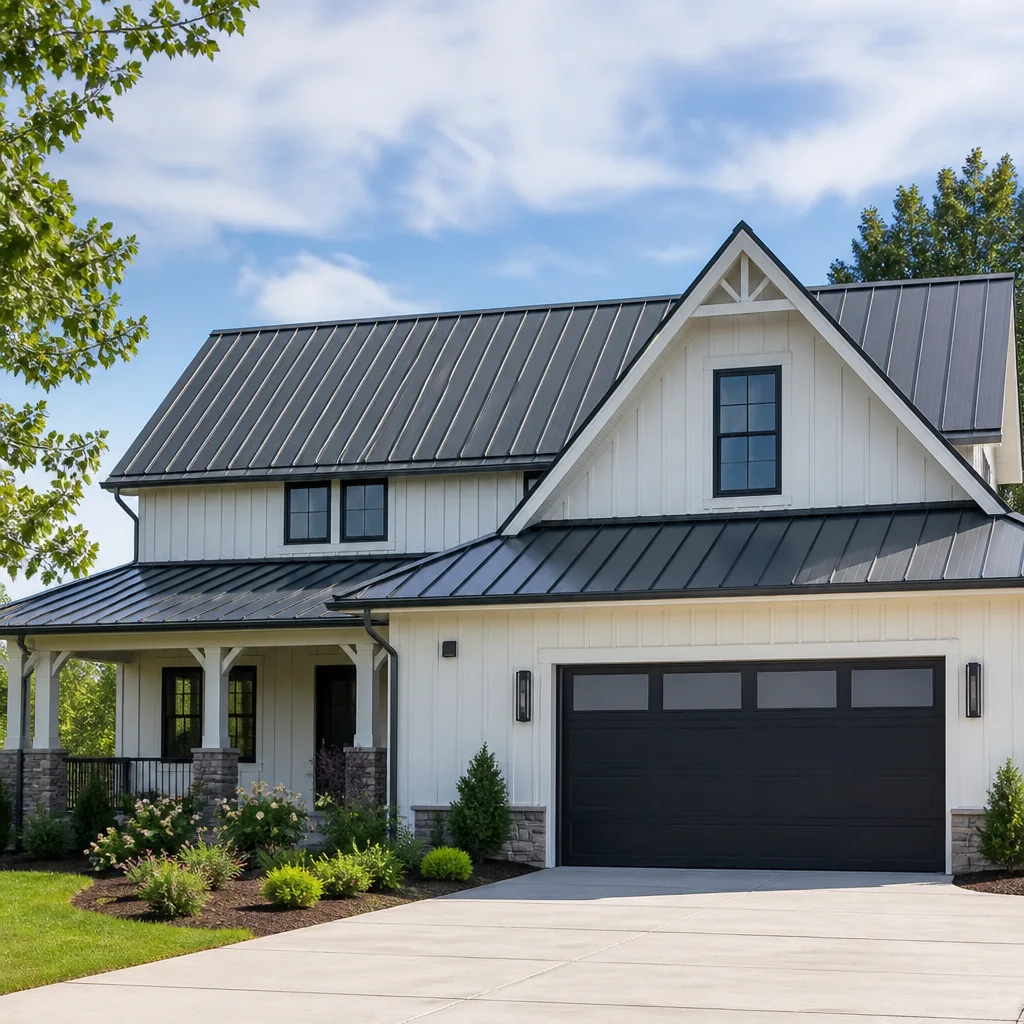 Metal roofing
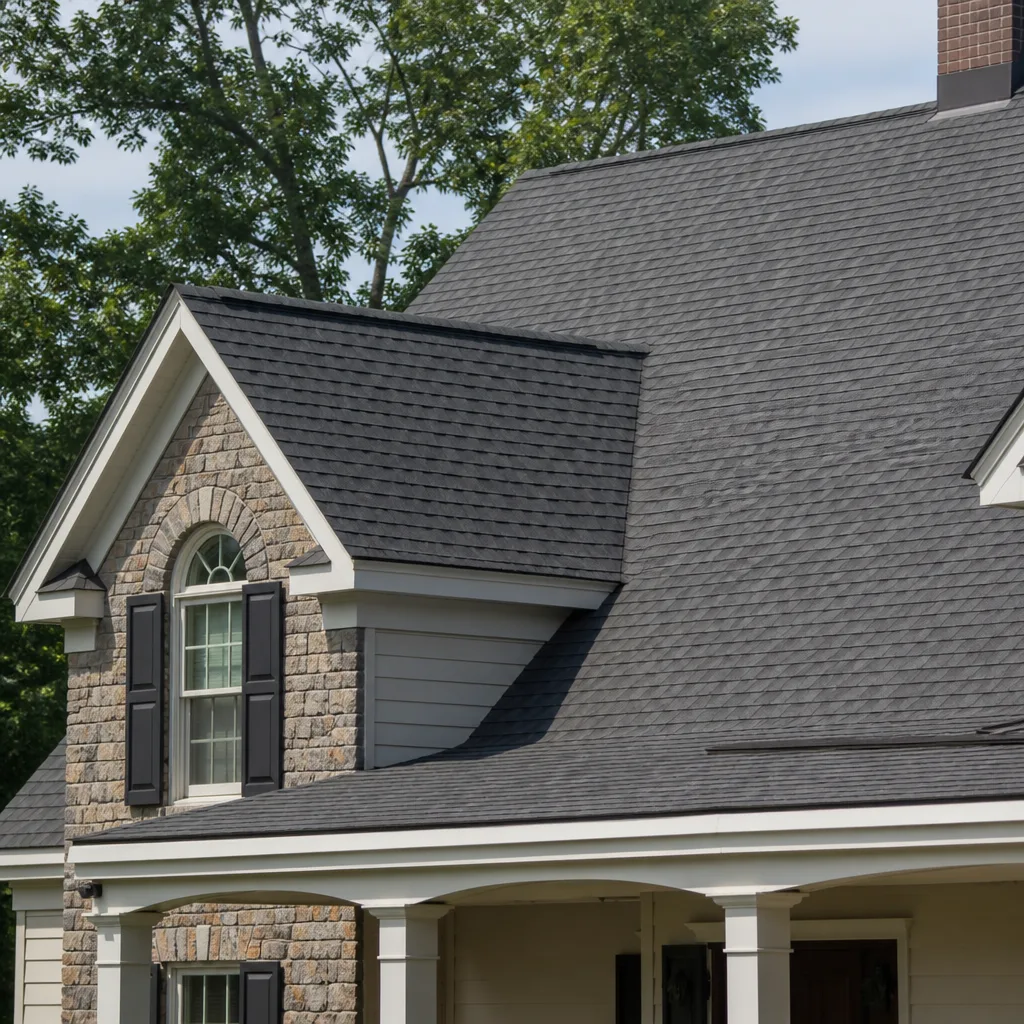 Architectural shingles
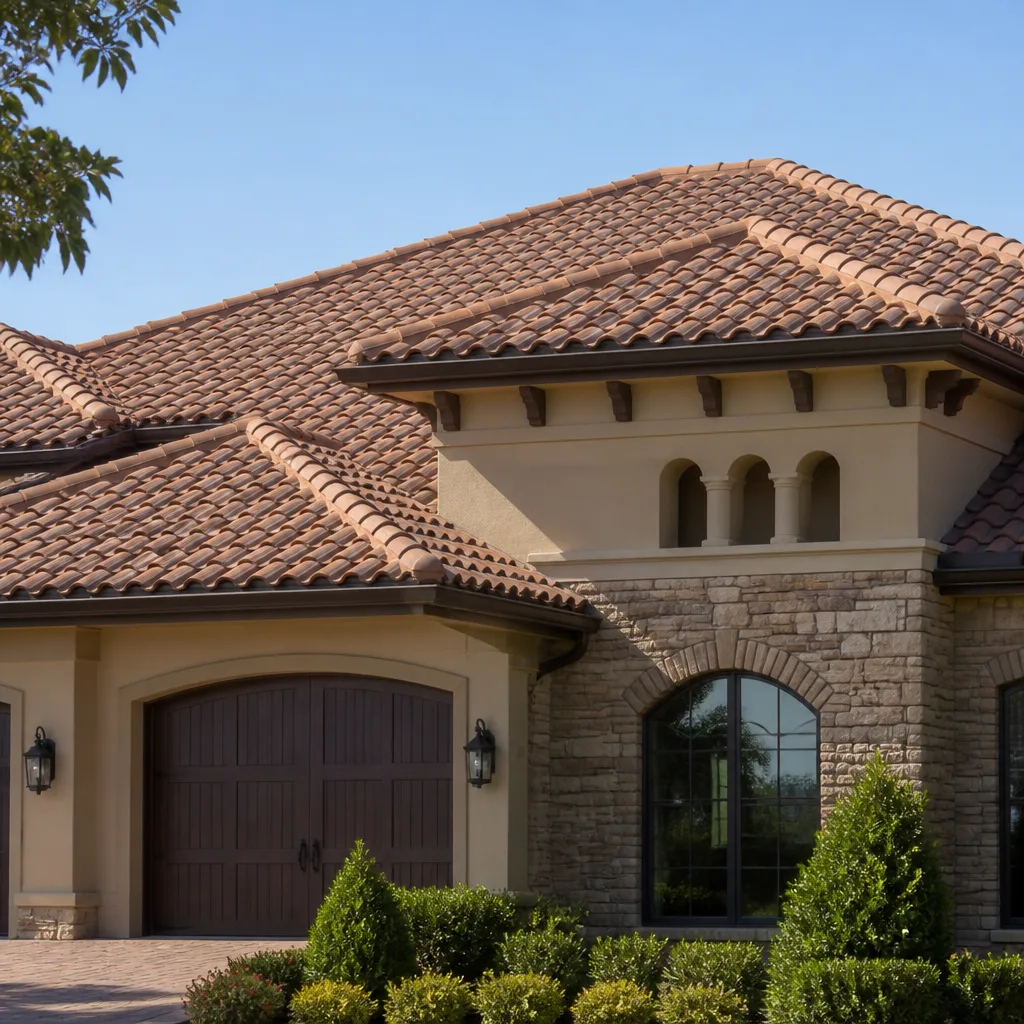 Tile roofing
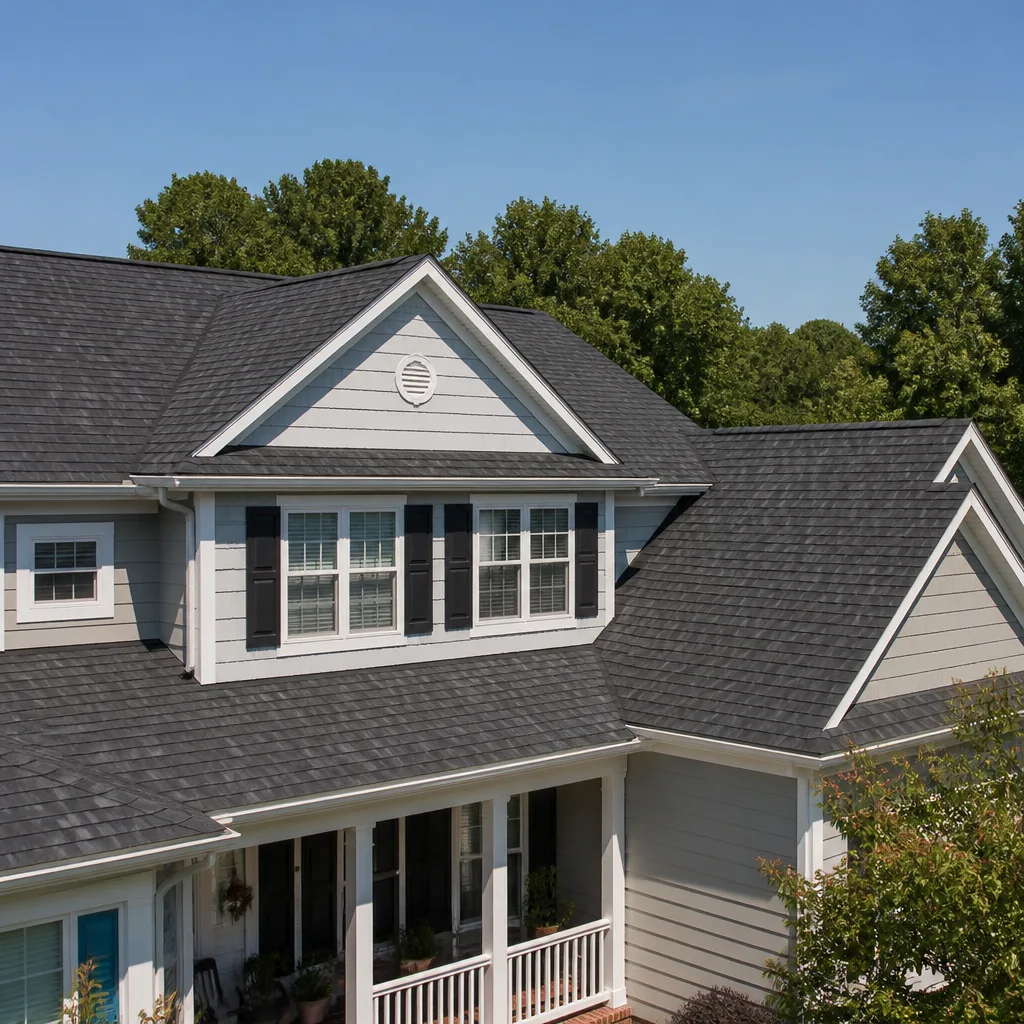 GAF
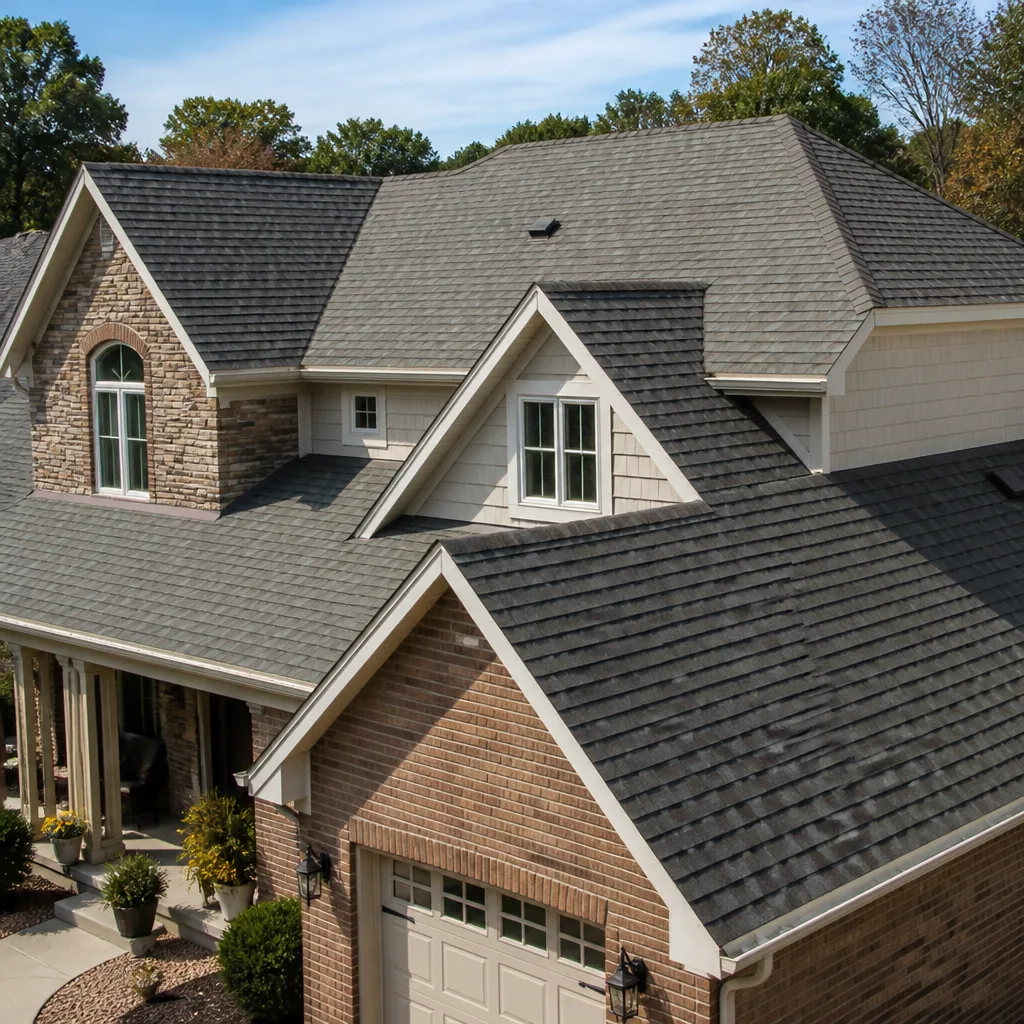 Owens Corning
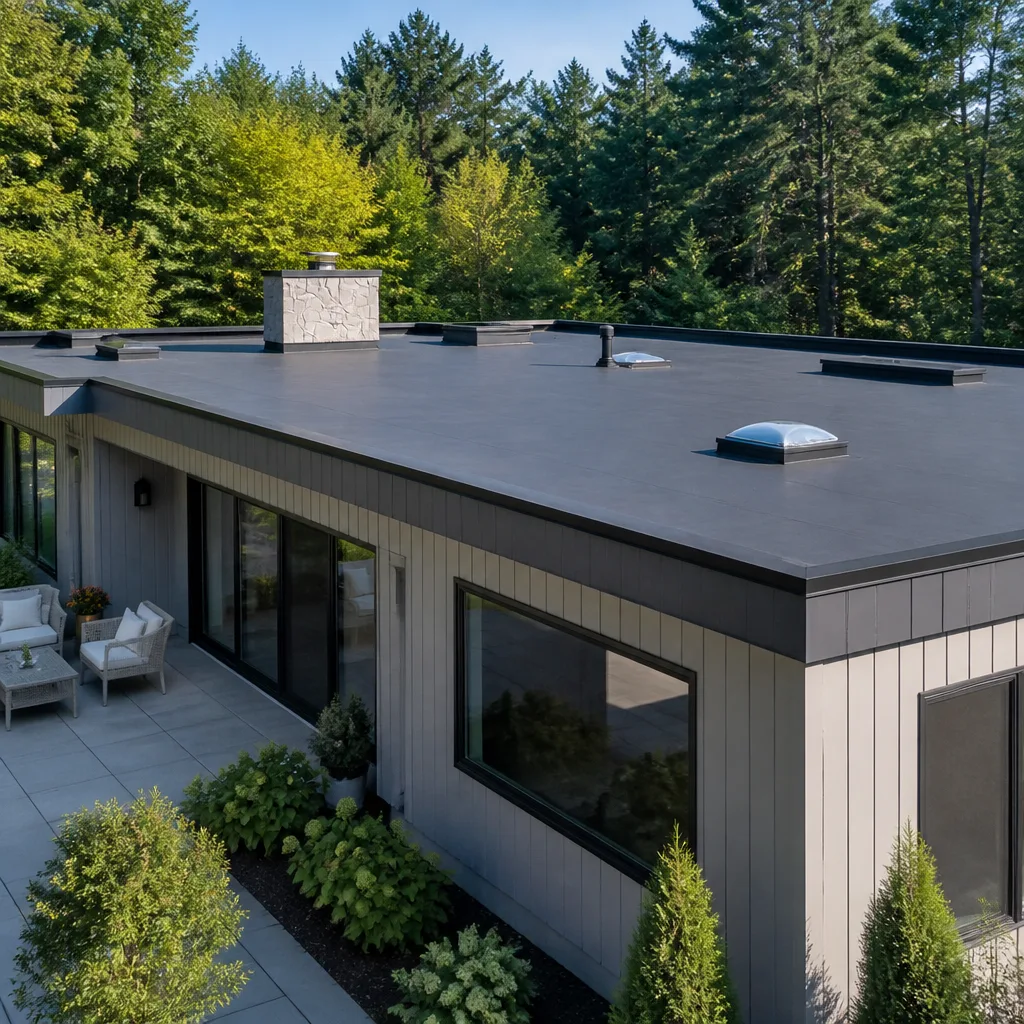 Flat & low-slope
Free roof inspection with deck photos before we talk money - GAF and Owens Corning certified installation
How to Hire a Roofing Contractor in Norwalk: A Step-by-Step Guide
Here’s a fact that surprises most Norwalk homeowners: a contractor can hold a fully valid California contractor’s license and still have completed fewer than five roofing jobs in their entire career. The state license proves they passed a business and law exam. It says nothing about whether they know how to flash a valley, properly ventilate an attic, or identify the difference between hail damage and manufacturing defects. This guide walks you through exactly how to separate a dedicated roofing specialist from a general contractor who occasionally picks up a shingle bundle, and it gives you the specific questions and document audits that make the hiring decision clear. For additional help, see our Roof Repair Troubleshooting: Common Problems and How to Fix Them. Norwalk’s housing stock, with its mix of 1950s ranch styles and newer developments, presents specific roofing challenges that reward homeowners who know what to look for.
Quick Answer
To hire a roofing contractor in Norwalk, verify the contractor’s CSLB license shows a C-39 roofing classification rather than only a general B license, request proof of manufacturer certifications for the material brands they propose, audit the written proposal line by line for scope gaps like deck replacement allowances and permit fees, and insist on a standalone inspection before committing to any repair or replacement scope. A legitimate Norwalk roofing timeline runs three to eight weeks from signed contract to final inspection, depending on scope and city permitting.
Styles & brands we work with
Table of Contents
- How to Read a CSLB License Classification in Norwalk
- Five Questions About Brand Certifications That Separate Specialists from Generalists
- How to Audit a Written Proposal for Scope Gaps That Inflate the Final Bill
- Red Flags in Post-Storm and Post-Santa Ana Solicitation
- What a Legitimate Norwalk Roofing Timeline Looks Like
- Why a Roofing Specialist Beats a General Contractor for Roof Work
- Common Mistakes to Avoid
- When to Call a Professional
- Frequently Asked Questions
How to Read a CSLB License Classification in Norwalk
A California contractor’s license number is public record, and the classification attached to that number is the single most useful piece of information you can pull before signing anything. The Contractors State License Board (CSLB) lists every license holder online, along with their classification, bond status, and any complaints or disciplinary actions on record. Here’s what to look for when you run a Norwalk contractor through that database.
The C-39 roofing classification is the marker of a dedicated roofing contractor. To obtain it, a contractor must demonstrate at least four years of journey-level roofing experience and pass a trade-specific exam covering roof systems, materials, flashing, ventilation, and installation standards. A general B license, by contrast, certifies that a contractor passed an exam covering general construction management broadly, from framing to drywall to concrete work. A B-license holder can legally pull a permit and take on a roof job, but nothing in their credentialing process required them to prove roofing-specific competence.
In our experience reviewing proposals across Norwalk, we’ve seen homeowners receive bids from B-license general contractors who were perfectly competent at kitchen remodels and additions, yet proposed roof details that would fail a Norwalk city inspection. The C-39 classification exists for a reason: roof systems fail differently than any other component of a house, and the failure patterns are only legible to someone who has worked with them repeatedly over years.
Here’s the exact process for checking a license in Norwalk:
- Ask the contractor for their CSLB license number. A legitimate local roofer provides it without hesitation, often printed directly on the proposal letterhead.
- Go to the CSLB license lookup page and enter the number. Confirm the license is active, not expired or suspended.
- Check the classification field. You want to see “C-39 Roofing” listed. If you only see “B General Building,” you are looking at a generalist, not a roofing specialist.
- Look at the workers’ compensation insurance field. Roofing is high-risk work, and a contractor without current workers’ comp coverage exposes you to liability if a worker is injured on your Norwalk property.
- Review the bond amount and any complaint history. A pattern of unresolved complaints about workmanship or contract disputes should end the conversation.
Take five minutes to run this check before you schedule a single estimate. It costs nothing and immediately eliminates the lowest tier of applicants. For a deeper look at what a properly scoped roof evaluation includes, see our guide to Roof Inspection in Norwalk.
Five Questions About Brand Certifications That Separate Specialists from Generalists
Manufacturer certifications function as an informal second licensing layer in the roofing trade. GAF, CertainTeed, Owens Corning, IKO, Atlas, Tamko, and Boral all run certification programs that require contractors to pass installation tests, attend ongoing training, and demonstrate a volume of completed work using their products. The payoff for homeowners is real: certified contractors can register roofs for enhanced manufacturer warranties that uncertified contractors cannot legally offer, because the manufacturer has no confidence in an untrained installer’s workmanship.
Ask these five questions when you interview any Norwalk roofing contractor:
- “Which manufacturers are you certified with, and can I see the current certification letters?” A contractor who cannot name their certifications immediately or says “we can install any brand” without naming programs is signaling they hold no credentials worth naming.
- “Who pulls the warranty registration after the job is done?” Certified installers handle manufacturer registration as a standard step. Uncertified contractors often skip it, leaving you with no recourse when a material defect appears three years later.
- “Does the warranty follow the house if I sell?” Most enhanced manufacturer warranties are transferable to a new owner once. A contractor who stumbles over this question has likely never registered a warranty in their career.
- “Which brand do you install most often, and why?” A specialist can explain their preference in terms of climate performance, wind resistance, and price tier for Norwalk’s specific conditions. A generalist usually answers with whatever brand their local supplier had on sale that month.
- “Can you offer me a choice between at least three brands for this roof?” This question separates material brokers from material selectors. A contractor locked into one brand has an incentive to sell you that brand whether or not it’s the right match for your home’s slope, exposure, and aesthetic.
The multi-brand question matters more than most homeowners realize. Our team at True North Roof Repair works with materials from seven leading manufacturers, including GAF, Atlas, and Tamko, because no single brand is correct for every home in Norwalk. A ranch house on a flat lot with full southern exposure needs different materials than a two-story colonial shaded by mature trees. Seven top-tier brands, one accountable contractor, means the material recommendation is driven by your roof’s conditions rather than by which manufacturer your contractor happened to sign a deal with years ago.
For homeowners weighing whether a repair or a full replacement is the right call, our guide to Roof Replacement in Norwalk covers material selection in detail.
How to Audit a Written Proposal for Scope Gaps That Inflate the Final Bill
The written proposal is where unscrupulous contractors hide their profit padding, and the gaps are consistent enough that you can learn to spot them in a single read-through. Norwalk homeowners regularly show us proposals from other contractors with the same missing line items, and the pattern is rarely accidental. Here’s what to audit when a proposal arrives.
Deck replacement allowances. When a roof is stripped, the plywood or OSB decking underneath is exposed, and rotted or delaminated sections must be replaced before new underlayment goes down. A proposal that does not include a specific per-sheet price for deck replacement, or that omits the line item entirely, is setting you up for a change order. Insist on language like “deck replacement at $XX per sheet as needed, confirmed after tear-off inspection.” Without it, the contractor names their price once the roof is open and you have no leverage.
Disposal and dump fees. Stripping a roof in Norwalk generates anywhere from two to six tons of debris depending on the roof’s size and whether a previous layer is being removed. Dump fees in Los Angeles County are not trivial. A proposal that says “disposal included” without a line-item cost is fine, but a proposal that says nothing about disposal at all is likely setting up a surprise. Ask directly: “Is the dump fee included in this total, and where does it appear in the proposal?”
Permit and inspection costs. Norwalk requires permits for roof replacements and for repairs exceeding a certain square footage, and those permits cost money. A contractor who proposes to work without permits is offering to save you a few hundred dollars now in exchange for a clouded title and uninsurable work later. A legitimate proposal names the permit cost explicitly and includes city inspection scheduling as a contractor responsibility. If the proposal is silent on permits, ask why.
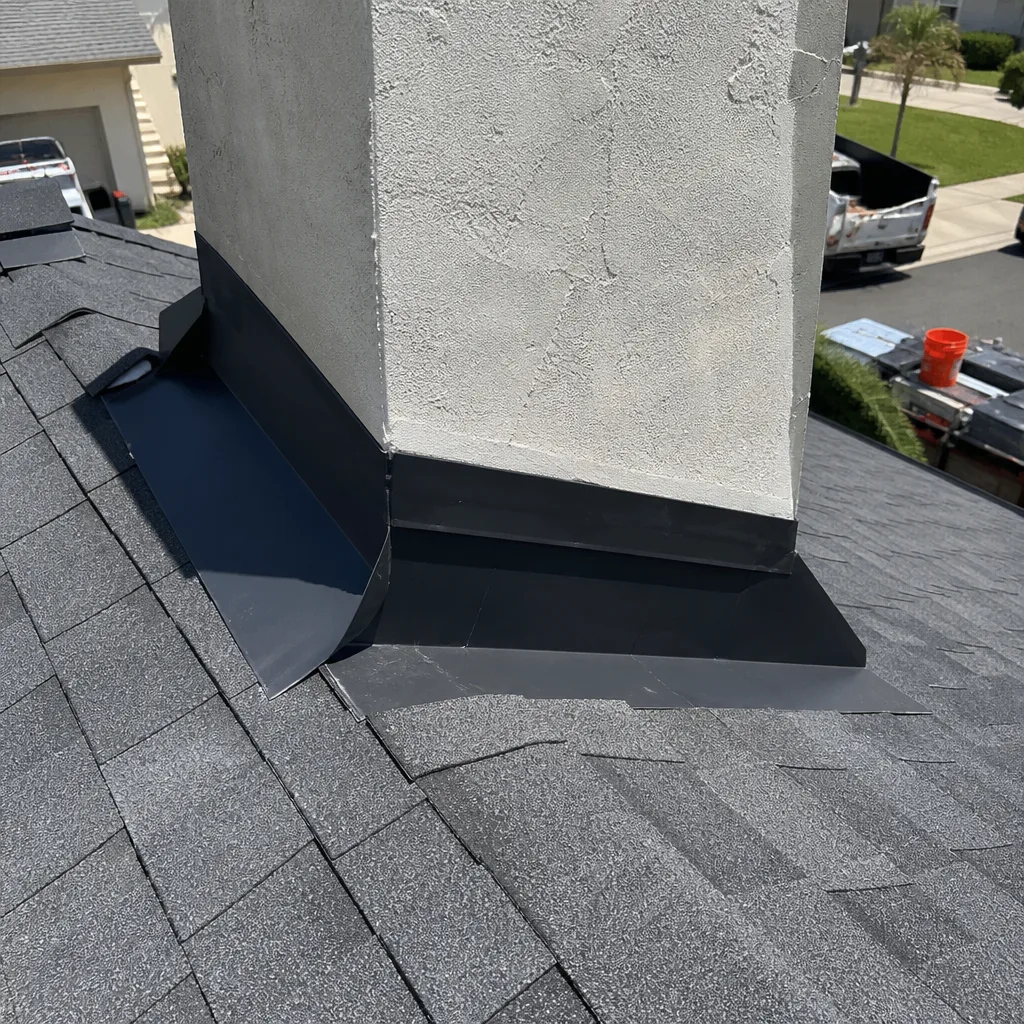
Flashing and pipe boots. The most common scope gap we see in Norwalk proposals is the omission of flashing replacement. When a shingle roof is replaced, the flashing around chimneys, skylights, vents, and pipe penetrations typically needs to be inspected and often replaced. Cheap proposals quietly leave “flashings as needed” vague, then hit you with a change order for new chimney flashing mid-job. A correctly scoped proposal names every penetration on your roof and states exactly what happens to the flashing at each one.
Underlayment specification. The proposal should name the specific underlayment product and number of layers. “Underlayment included” is not a specification. Ask for the brand and grade. The difference between a basic felt underlayment and a synthetic high-traction product is meaningful in Norwalk’s wet winter months.
A correctly scoped proposal runs several pages. A one-page quote with a single number is not a bid; it’s an invitation to a conversation about change orders. For homeowners who suspect their roof may not need full replacement at all, our repair-first philosophy is covered in Roof Repair in Norwalk.
Red Flags in Post-Storm and Post-Santa Ana Solicitation
Norwalk sits in a corridor that catches significant wind from Santa Ana events, and every wind season brings a new crop of out-of-area crews working the neighborhoods door to door. The pitch is always the same: “We were in your area working on another home and noticed your roof has damage. We can get you a great deal if you sign this week.”
Here’s what to watch for when a roofer knocks on your door after a wind event in Norwalk:
- Out-of-area license plates and out-of-state phone numbers. Storm chasers follow weather events across state lines. A contractor who was roofing in Texas last month and is suddenly in Norwalk this month has no stake in the local market and no reputation to protect.
- Pressure to sign before your insurance adjuster arrives. A legitimate local contractor in Norwalk often advises you to have your insurer’s adjuster document the damage first. Storm chasers want your signature before the adjuster delivers an assessment, because the assessment might reveal that the damage is cosmetic and doesn’t require replacement.
- Waived deductible offers. In California, contractors who promise to “cover your deductible” are offering to commit insurance fraud on your behalf. Run. A legitimate Norwalk roofer will explain your policy honestly and bill the final scope truthfully.
- No local address or a P.O. box. Ask where the contractor’s office is. If the answer is a P.O. box in another county or an address that doesn’t resolve on a map, you’re dealing with a crew that won’t be reachable when a problem appears six months later.
- Cash-upfront demands for “materials ordering.” A legitimate local contractor runs credit with suppliers. In California, a contractor may collect a down payment, but a demand for more than 10% or $1,000 upfront is a legal red flag under state contracting law, and a demand for cash specifically is a signal that the contractor has no supplier relationships worth mentioning.
After wind events, homeowners across Norwalk’s neighborhoods, from the tree-lined streets near Norwalk Boulevard to the newer tracts on the city’s eastern edge, report the same pattern. The solicitation crews arrive fast, work cheap, and disappear before the first real rain exposes their workmanship. The best defense is a relationship with a local roofing specialist who was reachable before the storm and will still be reachable after it.
What a Legitimate Norwalk Roofing Timeline Looks Like
Roof work in Norwalk moves at a predictable pace when it’s being done correctly, and contractors who promise dramatic speed are usually cutting a corner you’ll pay for later. Here’s the realistic sequence for a full roof replacement in Norwalk, from signed contract to final inspection.
- Permit application: one to two weeks. Your contractor submits plans and a roof detail to the City of Norwalk Building and Safety Division. Processing time varies seasonally, but two weeks is typical.
- Material ordering and delivery scheduling: one to two weeks. If your roof requires a specific shingle line and color from GAF, Atlas, Tamko, or another manufacturer, the material may need to be ordered from a regional distributor. This step often overlaps with permit processing.
- Active construction: two to five days for a standard single-family home. Tear-off, deck inspection, underlayment, flashing work, and shingle installation on a typical Norwalk ranch or two-story home runs three to five working days. Larger homes or complex roof geometries can stretch to a week.
- City inspection: one to five days after completion. The City of Norwalk sends an inspector to verify the work matches the approved plans. Your final payment should be contingent on this inspection passing.
- Manufacturer warranty registration: initiated immediately, confirmed within 30 days. A certified contractor submits the registration paperwork after the final inspection and provides you with the confirmation documents.
Total realistic timeline: three to seven weeks from contract to complete warranty registration, with most Norwalk homes landing in the four-to-five-week range. Any contractor promising a full tear-off and replacement in under a week is either skipping the permit process entirely or running crews of underqualified labor at a pace that produces mistakes. The permit itself is not optional in Norwalk, and the fact that a contractor describes it as a “bureaucratic delay” rather than a standard part of the job tells you how they’ll handle the rest of the process.
Why a Roofing Specialist Beats a General Contractor for Roof Work
The central error most Norwalk homeowners make is not failing to check a license or skipping a warranty registration. It’s hiring a general contractor who does roofing as one of fifteen service lines, because the general contractor’s proposal looks professional and their references checked out. The mistake is invisible until the roof starts failing.
Here’s the difference, stated plainly. A roofing specialist executes roof systems, and nothing else, every working day of the year. Their crews are trained exclusively on roof installation. Their equipment is purchased exclusively for roof work. Their supplier relationships are built exclusively with roofing material distributors. When a roof problem appears, they’ve seen it before, on a roof in Norwalk, in the same climate, on the same housing stock.
A general contractor splits their attention across kitchens, bathrooms, additions, foundations, and occasionally roofs. They may be excellent at managing subcontractors. But the roof is subcontracted to whichever crew is available, and the general contractor’s knowledge of roof systems is limited to what they learned in a licensing exam and whatever their current subcontractor happens to tell them.
The distinction shows up in three places:
- Diagnosis quality. When a leak appears, a roofing specialist traces the water path through the roof system, identifies the point of entry, and repairs it with an understanding of how the surrounding materials interact. A general contractor often replaces the visible shingles and hopes the leak stops.
- Warranty enforceability. A manufacturer-certified roofing specialist can register your roof for the enhanced warranty that covers both materials and workmanship. A general contractor without certification can only offer whatever paper warranty they type up themselves, and enforcing it requires taking them to court.
- Long-term accountability. A roofing specialist’s entire business reputation lives and dies on roof outcomes in their service area. A general contractor can lose a roofing job and still fill their calendar with kitchens. The incentive alignment is different.
- Hiring on price alone. The lowest bid in Norwalk is usually the lowest because it omits deck replacement allowances, flashing work, permit fees, or all three. The final bill rarely matches the initial quote.
- Skipping the CSLB license verification. A contractor’s word is not verification. The CSLB database takes five minutes to search and tells you the classification, bond status, workers’ comp coverage, and complaint history instantly.
- Accepting a verbal quote. In California, any home improvement contract over $500 must be in writing to be enforceable. A contractor who refuses to put numbers on paper is protecting themselves, not you.
- Signing with a storm chaser after a Santa Ana event. Out-of-area crews post wind events in Norwalk deliver fast, cheap work with no local accountability. Six months later, when a leak appears, their phone number is disconnected.
- Ignoring the permit requirement. Unpermitted roof work in Norwalk can complicate a future home sale and can void your homeowners insurance coverage for roof-related claims. The few hundred dollars saved is never worth it.
- Choosing a generalist because the estimate arrived fastest. Speed of response is not the same as competence. A roofing specialist who takes an extra day to deliver a correctly scoped proposal is worth far more than a generalist who fires off a one-page number overnight.
- Skipping the standalone inspection. Committing to a replacement scope without a documented, diagnostic-first inspection is how homeowners end up paying for full replacement when a repair would have added ten years to the existing roof. Diagnose first, spend second.
At True North Roof Repair, roofing is all we do. Our inspection, repair, and replacement services are handled by the same dedicated roofing crew from start to finish, which means the person who diagnoses a problem is part of the same team that would resolve it, at any scope, without hand-offs or referrals to outside crews. If you’re starting the research process, our True North Roof Repair home page lays out the full scope of what a roofing-only contractor covers.
Common Mistakes to Avoid
When to Call a Professional
Roof work is not a DIY project, and the dangerous components are not always obvious from the ground. High-tension work at height, the risk of structural falls, and the potential for hidden deck damage make roofing one of the most hazardous trades in residential construction. If you notice water stains on interior ceilings, granule buildup in gutters, lifted or missing shingles after a wind event, or daylight visible through attic decking, it’s time to bring in a professional for a diagnostic inspection. True North Roof Repair offers free estimates in Norwalk, and the inspection-first approach means you’ll know exactly where you stand before spending a dollar. Call (866) 617-1004 to schedule yours.
Frequently Asked Questions
A full roof replacement in Norwalk typically runs between $12,000 and $28,000 for a standard single-family home, depending on square footage, roof pitch, material grade, and the amount of decking that needs replacement after tear-off. For a detailed breakdown of where those dollars go, see our Roofing Cost Breakdown: The Norwalk Homeowner’s Reference for 2026. Entry-level architectural shingles on a small ranch home start near the lower end of that range, while premium materials from manufacturers like GAF or Atlas on a larger two-story home reach the upper end. The only way to get an accurate number for your specific roof is a correctly scoped proposal after an inspection. Call (866) 617-1004 for a free estimate in Norwalk.
Look up the contractor’s license number on the CSLB website and confirm that the classification field shows C-39 Roofing, that the license status is active, and that workers’ compensation insurance is current. A general B license is not the same as a roofing classification. The search takes five minutes and is the single most important check you can run before signing a contract.
A roofing contractor can physically do the work without a permit, but that doesn’t make it legal or wise. Norwalk requires permits for roof replacements and for repairs above a certain size, and unpermitted work can cause problems when you sell the home and can give your insurance company grounds to deny future claims. A legitimate contractor includes the permit cost in the proposal and handles the city inspection scheduling for you.
The active construction phase on a standard Norwalk home runs two to five days, but the full process from signed contract to final inspection and warranty registration typically takes four to five weeks when permits, material ordering, and city inspection are handled correctly. Contractors promising complete replacements in under a week are usually skipping permits or cutting corners on materials and labor.
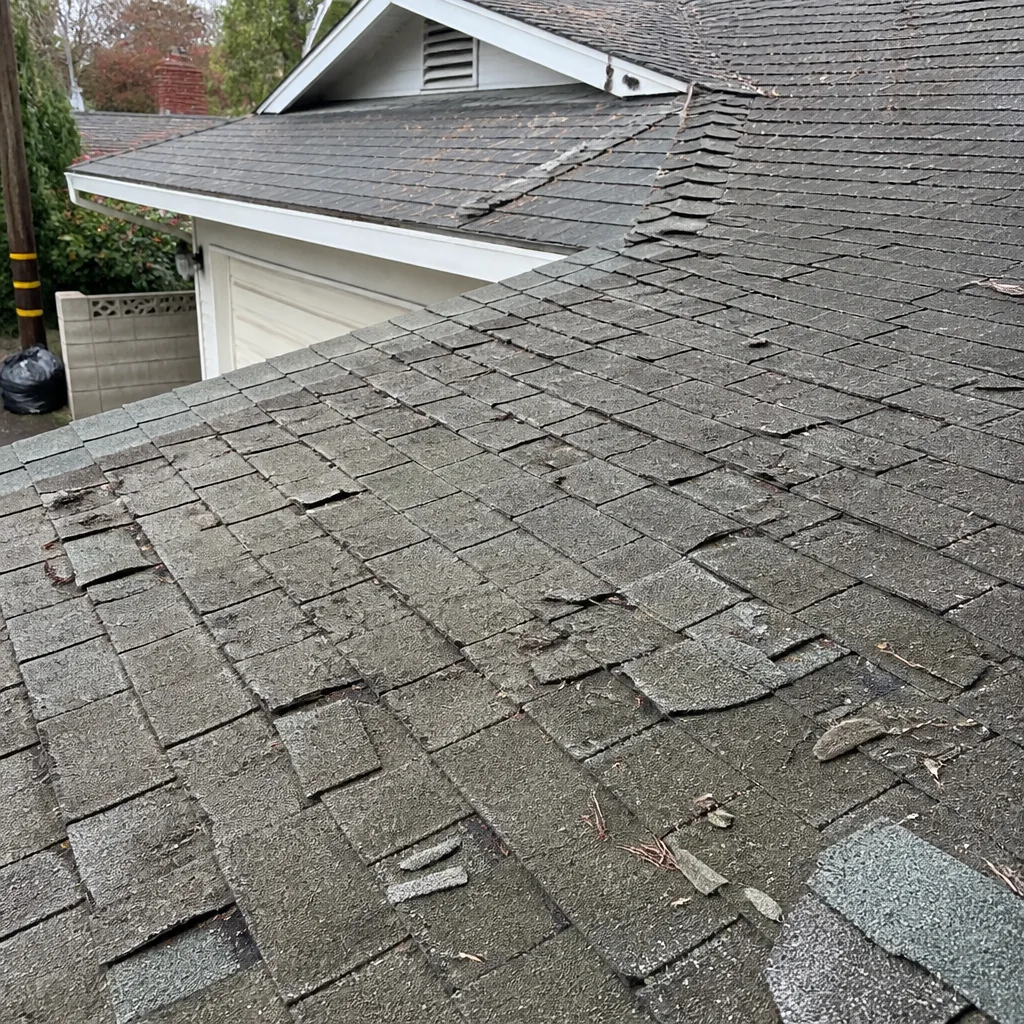
The distinction comes down to the extent of damage relative to the roof’s age and remaining service life. For a step-by-step framework, download our Roof Repair Maintenance Checklist for Norwalk Homeowners. A roof under fifteen years old with localized damage is usually a repair candidate. A roof over twenty years old with widespread granule loss, curling shingles, or multiple leaks is usually a replacement candidate. The only way to know for certain is a standalone diagnostic inspection that documents the roof’s condition without a sales agenda attached to the findings.
You need at least two, and three is better, but only if the estimates are comparable in scope. The value of multiple bids is not price shopping; it’s learning what different contractors see when they look at your roof. If one proposal includes deck replacement allowances, flashing specifications, and permit costs while another omits all three, you’ve learned something important about both contractors. Look for the proposal that is correctly scoped first, then compare price among the competent bids. Call (866) 617-1004 to schedule a free estimate with a roofing specialist in Norwalk.
The Bottom Line
Hiring a roofing contractor in Norwalk comes down to verification and scope discipline. Check the CSLB classification and insist on a C-39 roofing credential. Ask the five manufacturer certification questions and walk away from any contractor who cannot name their certifications. Audit the written proposal for omitted line items that will become change orders, and refuse to be pressured by post-storm solicitors with no local roots. Give yourself the full four-to-five-week timeline that legitimate permitted work requires. Do these things, and the contractor you hire will be selected on evidence rather than on the strength of a sales pitch. We lay out the options; you choose the path. Explore our more guides & resources for ongoing homeowner support.
Written by the team at True North Roof Repair, serving Norwalk since 2016.
See the difference
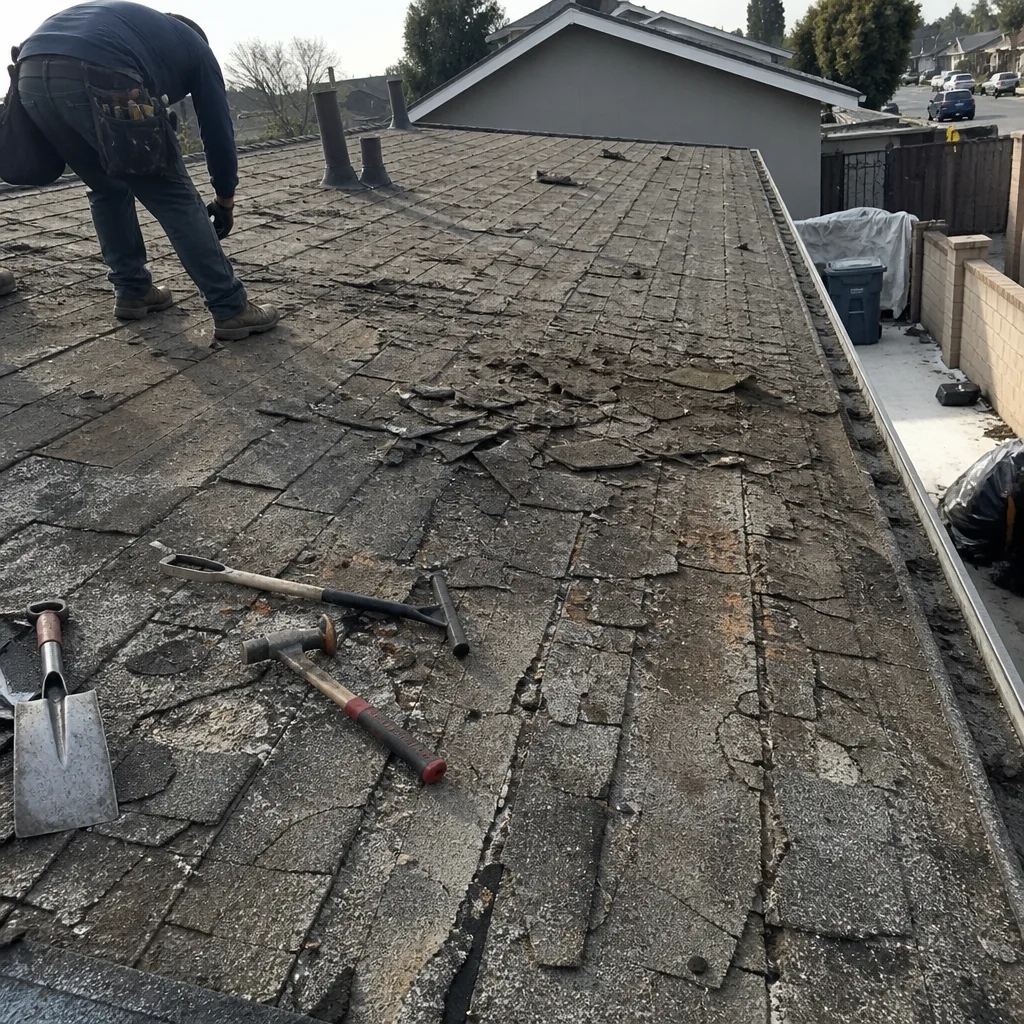 Before
 After
 Before
 After
 Before
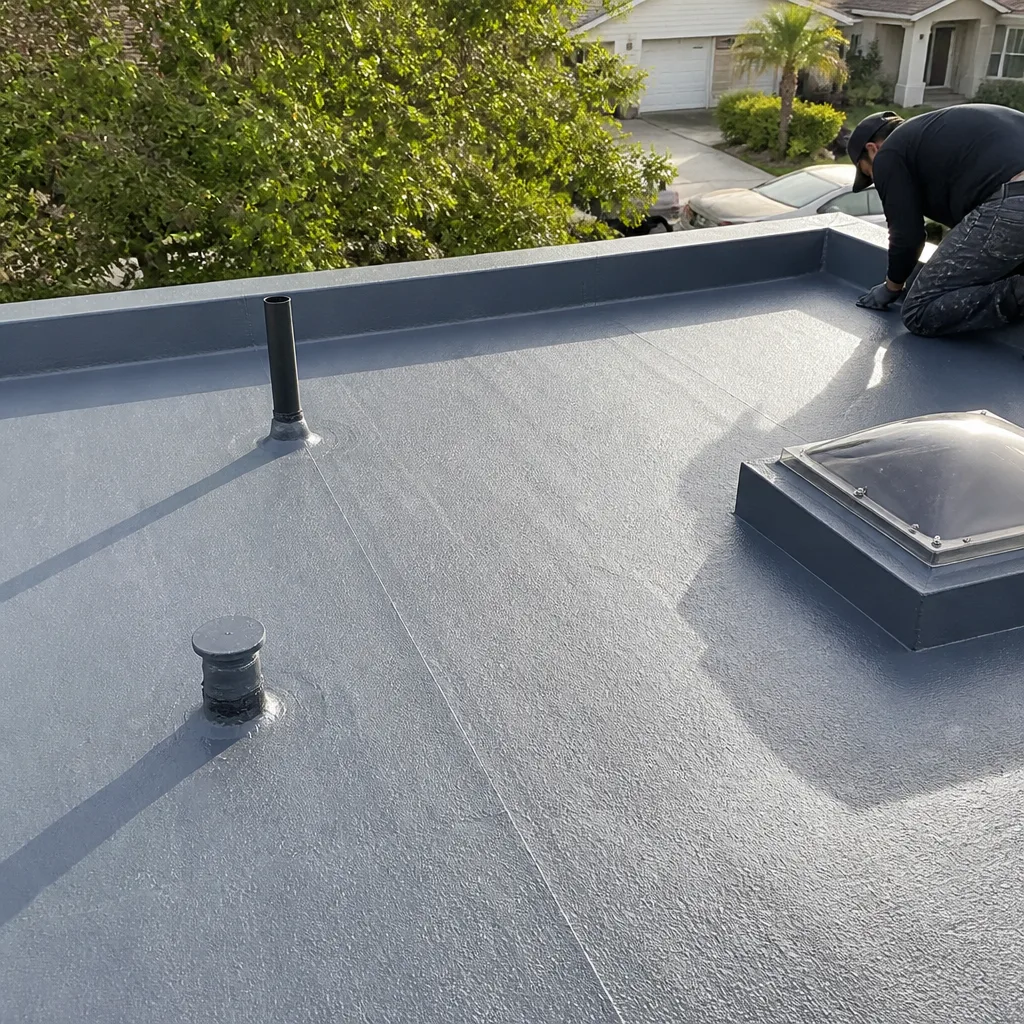 After